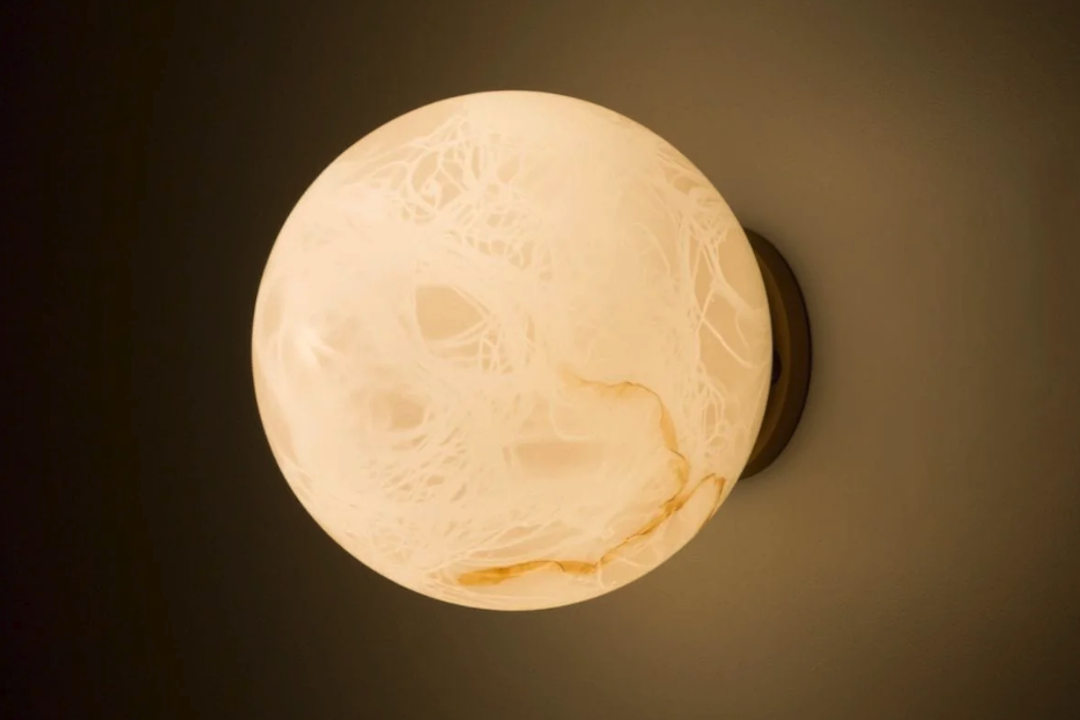
This article discusses the concept of “Green Lighting,” focusing on biodegradable fixtures within the broader context of sustainable design.
Green lighting refers to an approach in lighting design and technology that prioritizes environmental sustainability. This encompasses the entire lifecycle of lighting products, from their manufacture and energy consumption to their end-of-life disposal. The goal is to minimize the ecological footprint associated with artificial illumination. A key element within this movement is the development and adoption of biodegradable lighting fixtures.
The Environmental Context of Lighting
Artificial lighting is a significant consumer of electricity globally. According to the International Energy Agency (IEA), lighting accounts for approximately 15% of global electricity consumption and 5% of global greenhouse gas emissions. As urban populations grow and demand for illumination increases, this consumption is projected to rise further. Traditional lighting technologies, while evolving, have historically relied on materials and manufacturing processes that contribute to pollution and resource depletion.
Energy Efficiency as a Cornerstone
The most prominent aspect of green lighting has historically been energy efficiency. The transition from incandescent bulbs to compact fluorescent lamps (CFLs) and subsequently to light-emitting diodes (LEDs) has dramatically reduced energy consumption per lumen of light produced. LEDs, in particular, are highly energy-efficient, have long lifespans, and contain fewer hazardous materials compared to CFLs. However, energy efficiency alone does not address the full environmental impact of lighting.
Material Sourcing and Manufacturing Impacts
The production of lighting fixtures, regardless of the light source, involves the extraction and processing of raw materials. Metals, plastics, and chemicals are commonly used. The mining of metals can lead to habitat destruction and water pollution. The production of plastics often relies on fossil fuels and can release greenhouse gases. Furthermore, the energy required for manufacturing processes contributes to overall carbon emissions.
Defining Biodegradability in Fixtures
Biodegradability refers to the capacity of a material to decompose naturally through the action of living organisms, such as bacteria and fungi. In the context of lighting fixtures, this means that the components of the fixture, once disposed of, will break down into simpler organic matter, water, and carbon dioxide, rather than accumulating in landfills or polluting ecosystems for centuries.
Distinguishing Biodegradability from Compostability and Degradability
It is important to differentiate biodegradability from related terms.
Compostability
Compostable materials are a subset of biodegradable materials that are specifically designed to break down in a compost environment (industrial or home) within a defined timeframe, under specific conditions, and leave no toxic residue. While many biodegradable materials are compostable, not all biodegradable materials are necessarily compostable under standard composting conditions.
Degradability
Degradability is a broader term that encompasses any process of breaking down. This can include photodegradation (breakdown by light), thermodegradation (breakdown by heat), or mechanical degradation, which may not involve biological agents and can leave behind microplastics or other persistent pollutants. Biodegradability specifically implies decomposition by biological processes.
The “End-of-Life” Challenge
The end-of-life phase of a product’s lifecycle is a critical consideration in sustainability. Traditional lighting fixtures, often constructed from a mix of metals, plastics, and glass, can be challenging to recycle efficiently. Many components may end up in landfills, where their inert nature means they persist for extremely long periods. Biodegradable fixtures aim to address this “end-of-life” challenge by providing a material pathway that reintegrates with natural cycles.
Materials Science and Biodegradable Fixture Development
The development of biodegradable lighting fixtures hinges on advancements in material science. Researchers and manufacturers are exploring and utilizing a range of biodegradable materials, often derived from renewable resources.
Bio-based Polymers and Composites
Polymers derived from renewable sources, such as corn starch, sugarcane, or cellulose, are increasingly being investigated and used for fixture components. These bio-based polymers can offer properties comparable to conventional petroleum-based plastics while possessing the inherent characteristic of biodegradability.
Poly(lactic acid) (PLA)
PLA is one of the most widely used biodegradable polymers. It is derived from fermented plant starches like corn or sugarcane. PLA can be molded into various shapes and is suitable for applications like lamp housings and decorative elements. Its biodegradability depends on the specific formulation and the environmental conditions (e.g., industrial composting facilities).
Cellulose-based Materials
Cellulose, the primary structural component of plant cell walls, is abundant and renewable. Cellulose-based composites can be engineered for strength and durability, offering potential for use in fixture frames and other structural components.
Starch-based Blends
Blends incorporating starch can enhance biodegradability. These materials are often used in applications where high mechanical strength is not the primary requirement.
Natural Fibers and Biocomposites
Incorporating natural fibers, such as hemp, flax, or bamboo, into polymer matrices can create biocomposites. These materials can offer a favorable strength-to-weight ratio and enhanced biodegradability, depending on the polymer used.
Bamboo as a Structural Element
Bamboo, a fast-growing grass, is a naturally strong and sustainable material. It can be used for the structural elements of certain lighting fixtures, offering a biodegradable and aesthetically appealing alternative to metal or plastic supports.
Mycelium-based Materials
Mycelium, the root structure of fungi, can be cultivated on agricultural byproducts to create lightweight and biodegradable composite materials. These can be molded into various shapes, including lamp shades and bases.
Limitations and Considerations
While the promise of biodegradable materials is significant, practical considerations remain.
Durability and Longevity
The intended lifespan of a lighting fixture needs to be balanced with its biodegradability. Some highly biodegradable materials may degrade too quickly for certain applications, especially in demanding environments. Manufacturers are working to engineer materials with controlled degradation rates.
Mechanical Properties
Achieving the necessary mechanical strength, heat resistance, and UV stability can be a challenge with some biodegradable polymers. This often requires complex formulations and composite structures.
Cost-Effectiveness
Currently, many biodegradable materials are more expensive to produce than their conventional counterparts, which can impact the overall cost of biodegradable fixtures. Economies of scale and further research are expected to reduce these costs over time.
Design Principles for Biodegradable Lighting Fixtures
Sustainable design for lighting fixtures goes beyond material selection; it encompasses the entire design thought process.
Modular Design and Disassembly
Designing fixtures with modular components facilitates repair, replacement, and eventual disassembly. This approach extends the product’s useful life and simplifies the separation of materials at the end of its service. Components made from different biodegradable materials can be more easily sorted for specific decomposition processes.
Design for Longevity
While biodegradability is a goal, so is a product’s extended functional life. Designing for durability, ease of maintenance, and upgradability reduces the frequency with which fixtures need to be replaced, thereby reducing overall material consumption and waste.
Ease of Separation of Components
When a fixture is designed to be disassembled, it is crucial to ensure that different material types can be easily separated. This is particularly important if some components are biodegradable while others might be of a different classification or require specialized recycling. For instance, a biodegradable lamp shade might be attached to a metal base that is designed for metal recycling.
Minimizing Material Usage
Efficient design can reduce the overall quantity of material required for a fixture. This involves thoughtful structural design and avoiding unnecessary embellishments. Less material directly translates to a lower environmental impact.
Lightweighting
Reducing the weight of a fixture not only decreases material consumption but also reduces the energy required for transportation, both during manufacturing and distribution.
Material Optimization
Using materials strategically, for instance, reinforcing high-stress areas with stronger biodegradable composites, while using less robust materials elsewhere, optimizes performance and resource use.
Aesthetic Considerations
Biodegradable materials can offer unique aesthetic qualities. Natural textures, organic forms, and the inherent color of some bioplastics can contribute to a distinct design language.
Embracing Natural Forms
Materials like mycelium can lend themselves to organic, sculpted forms that are difficult to achieve with conventional manufacturing processes. This offers designers new avenues for expression.
Color and Finish
The way biodegradable materials are colored and finished also impacts their environmental footprint. Using natural dyes or opting for uncolored finishes can further enhance sustainability.
Life Cycle Assessment (LCA) and Biodegradable Fixtures
A Life Cycle Assessment (LCA) is a systematic method for evaluating the environmental impacts of a product or service throughout its entire life cycle. For biodegradable lighting fixtures, an LCA provides a comprehensive understanding of their sustainability.
Stages of the Life Cycle
An LCA typically considers the following stages:
Raw Material Extraction and Processing
This stage accounts for the environmental impacts associated with obtaining and processing the raw materials used in the fixture. For biodegradable fixtures, this includes the cultivation of crops for bioplastics or the harvesting of natural fibers.
Manufacturing and Assembly
This encompasses the energy and resource consumption, as well as emissions, generated during the production of the fixture components and their assembly.
Distribution and Transportation
The environmental impact of moving the product from the manufacturing facility to the point of sale and eventually to the consumer.
Use Phase
This stage primarily relates to the energy consumed by the light source. While the fixture material itself doesn’t consume energy during use, its design can influence the efficiency of the lighting system it houses.
End-of-Life Management
This is a critical stage for biodegradable fixtures. The LCA would assess the environmental implications of various disposal routes, such as composting, landfilling, or incineration, and the actual degradation process in each scenario.
Interpreting LCA Results
LCA results are presented in terms of various environmental impact categories, such as:
- Global Warming Potential (GWP): Greenhouse gas emissions.
- Acidification Potential (AP): Emissions contributing to acid rain.
- Eutrophication Potential (EP): Nutrient enrichment of water bodies.
- Toxicity Potentials: Impacts on human and ecological health.
Benchmarking Against Conventional Fixtures
By conducting an LCA, biodegradable lighting fixtures can be compared to their conventional counterparts. This allows for an objective evaluation of their environmental performance, identifying areas where they offer advantages and where further improvements are needed. It is crucial to ensure that the “biodegradable” claim is substantiated by a net positive environmental outcome across the entire lifecycle, rather than simply shifting impacts from one phase to another. The energy and land use associated with growing crops for bioplastics, for example, must be factored in.
Addressing “Greenwashing”
The rigor of LCA helps to prevent “greenwashing,” where a product is marketed as environmentally friendly without sufficient evidence or when its environmental claims are misleading. A comprehensive LCA provides transparency and allows for informed decision-making by consumers and specifiers.
Challenges and Future of Biodegradable Lighting
Despite the progress, the widespread adoption of biodegradable lighting fixtures faces several hurdles.
Standardization and Certification
Clear and consistent standards and certifications for biodegradability are essential. This ensures that consumers can trust the claims made by manufacturers and understand the appropriate disposal methods for different biodegradable products. The development of internationally recognized standards for industrial and home composting of lighting fixture components is ongoing.
Defining Biodegradation “Conditions”
The term “biodegradable” can be vague without specifying the conditions under which degradation occurs. Is it rapid degradation in an industrial composting facility, slow degradation in a landfill, or degradation in natural environments? Clear definitions and testing protocols are needed to manage expectations and ensure correct disposal.
Consumer Education and Infrastructure
Consumers need to be educated about the benefits of biodegradable fixtures and how to dispose of them properly. This includes understanding the difference between compostable and biodegradable materials and knowing where to access appropriate disposal facilities. The development of complementary waste management infrastructure, such as widespread industrial composting facilities, is also crucial.
The Role of Municipal Waste Management
Municipal waste management systems play a pivotal role. Without separate collection streams for compostable and biodegradable waste, these materials may end up in landfills, negating some of their environmental benefits. Collaboration between fixture manufacturers, waste management entities, and consumers is necessary.
Innovation and Technological Advancement
Continued research and development are vital for improving the performance, cost-effectiveness, and availability of biodegradable materials for lighting fixtures. This includes developing materials that are more mechanically robust, more resistant to environmental factors like UV radiation and moisture, and have tailored degradation profiles.
Biophotovoltaics and Biodegradable Electronics
Looking further ahead, there is potential for integrating biodegradable electronic components, such as LEDs and control circuitry, with biodegradable fixture materials. This would represent a significant step towards truly “circular” lighting systems where the entire fixture can be reintegrated into natural cycles upon disposal. Research into biophotovoltaics (energy generation from biological processes) could also lead to entirely novel lighting solutions with minimal environmental impact.
The journey towards truly sustainable lighting is ongoing, and biodegradable fixtures represent a significant and promising development in this evolution. By thoughtfully integrating them into a broader strategy of energy efficiency and responsible design, we can move towards illumination systems that are in harmony with the environment.