Solar-powered lighting systems offer a sustainable and often aesthetically pleasing alternative to traditional wired garden lighting. These systems harness the sun’s energy, converting it into light without drawing from the electrical grid. This article explores the various aspects of solar luxury lights for garden applications, outlining their technologies, types, benefits, and considerations for their implementation.
At the core of solar luxury lights Betudesign lies a straightforward yet effective mechanism. Understanding this process is crucial for appreciating the technology’s capabilities and limitations.
Photovoltaic Cell Technology
The heart of any solar light is its photovoltaic (PV) cell, often referred to as a solar cell. These cells are typically made from semiconductor materials, most commonly silicon. When sunlight strikes the PV cell, it excites electrons within the material, generating an electrical current. This phenomenon is known as the photovoltaic effect. The efficiency of a solar cell, or its ability to convert sunlight into electricity, varies depending on the materials and manufacturing processes used. Higher efficiency cells allow for smaller panels or faster charging times.
Energy Storage and Delivery
The electrical current generated by the PV cell during daylight hours is not immediately used. Instead, it is stored in a rechargeable battery. Common battery types include nickel-cadmium (NiCd), nickel-metal hydride (NiMH), and increasingly, lithium-ion (Li-ion) batteries. Lithium-ion batteries offer higher energy density, longer lifespans, and better performance in varying temperatures compared to older technologies. A charge controller regulates the flow of electricity to and from the battery, preventing overcharging or deep discharge, which can extend battery life. When darkness falls, a light sensor, often a photoresistor, detects the absence of light and triggers the discharge of power from the battery to illuminate the light-emitting diode (LED).
Light Emitting Diode (LED) Technology
The illumination source in modern solar luxury lights is almost exclusively the LED. LEDs are semiconductor devices that produce light when an electrical current passes through them. They are highly energy-efficient, converting a significant portion of electrical energy into light rather than heat, unlike incandescent bulbs. LEDs also boast exceptionally long lifespans, often tens of thousands of hours, and are available in a wide spectrum of color temperatures, from warm white to cool white, as well as various colors. This versatility allows for diverse aesthetic choices in garden lighting design.
Varieties of Solar Luxury Lights
The market for solar luxury lights offers a broad spectrum of products, each designed for specific aesthetic and functional purposes. Your selection will depend on the desired effect and the particular characteristics of your garden.
Path and Border Lighting
These fixtures are commonly used to define walkways, driveways, and garden borders. They typically provide ambient illumination, guiding visitors and enhancing safety. Common designs include:
- Stake Lights: These are perhaps the most ubiquitous type, featuring a small solar panel at the top, a housing for the battery and LED, and a stake for insertion into the ground. They are generally discreet and easy to install.
- Post Lights: Taller and more substantial than stake lights, post lights resemble traditional lamp posts, but miniaturized for garden use. They can provide a broader radius of light and serve as focal points.
- Bollard Lights: Robust and often cylindrical, bollard lights are designed to withstand environmental factors and provide low-level, diffused illumination, often used in contemporary garden designs.
Accent and Spot Lighting
Accent lighting is employed to highlight specific features within the garden, such as sculptures, architectural elements, or specimen plants. Spotlights offer a more focused beam of light for dramatic effect.
- Adjustable Spotlights: These fixtures allow you to direct the light beam precisely, creating shadows and highlights to emphasize particular garden elements. Their solar panels are often separate and connect via a wire to the light unit, allowing for optimal panel placement.
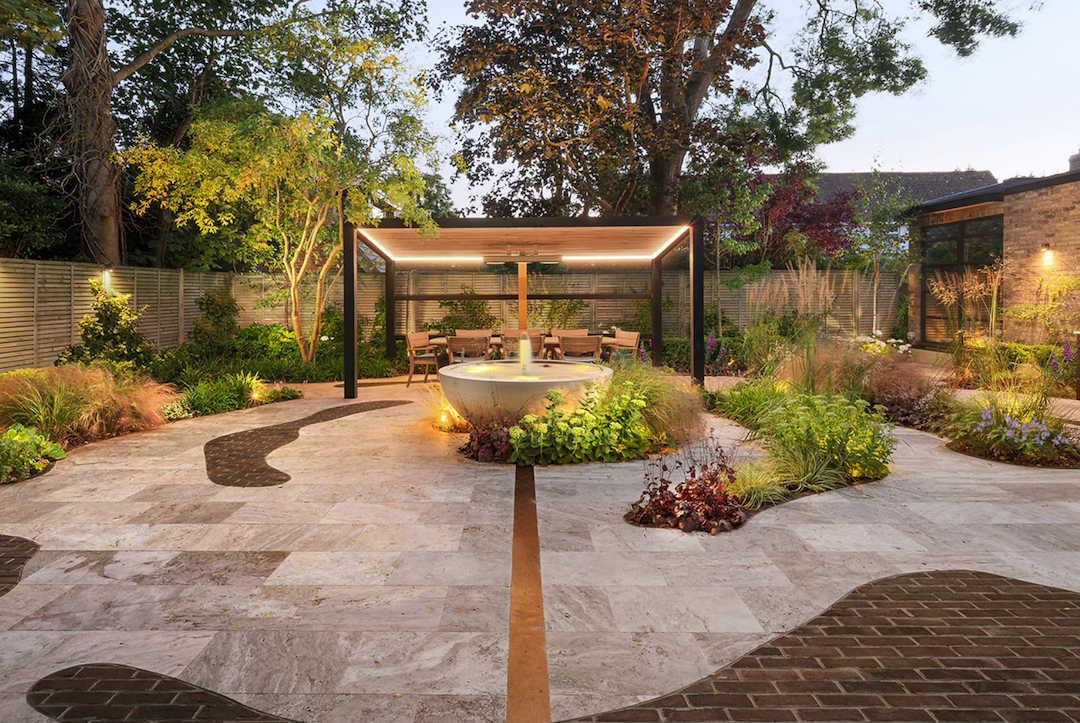
- Uplights and Downlights: Uplights are positioned at ground level to shine upwards onto a feature, while downlights cast light downwards, often from trees or pergolas. Solar versions provide flexibility in placement without the need for trenching wires.
- Integrated Feature Lights: Some garden features, such as decorative stones or small fountains, may come with integrated solar lighting, providing a seamless aesthetic.
Decorative and Specialty Lighting
Beyond pure utility, a significant segment of solar luxury lights focuses on creating ambiance and decorative appeal. These fixtures often prioritize aesthetic design and warm, inviting light.
- String Lights and Fairy Lights: These consist of multiple small LEDs strung along a wire, often used to decorate pergolas, fences, or trees. They create a festive atmosphere and are available in various lengths and bulb styles.
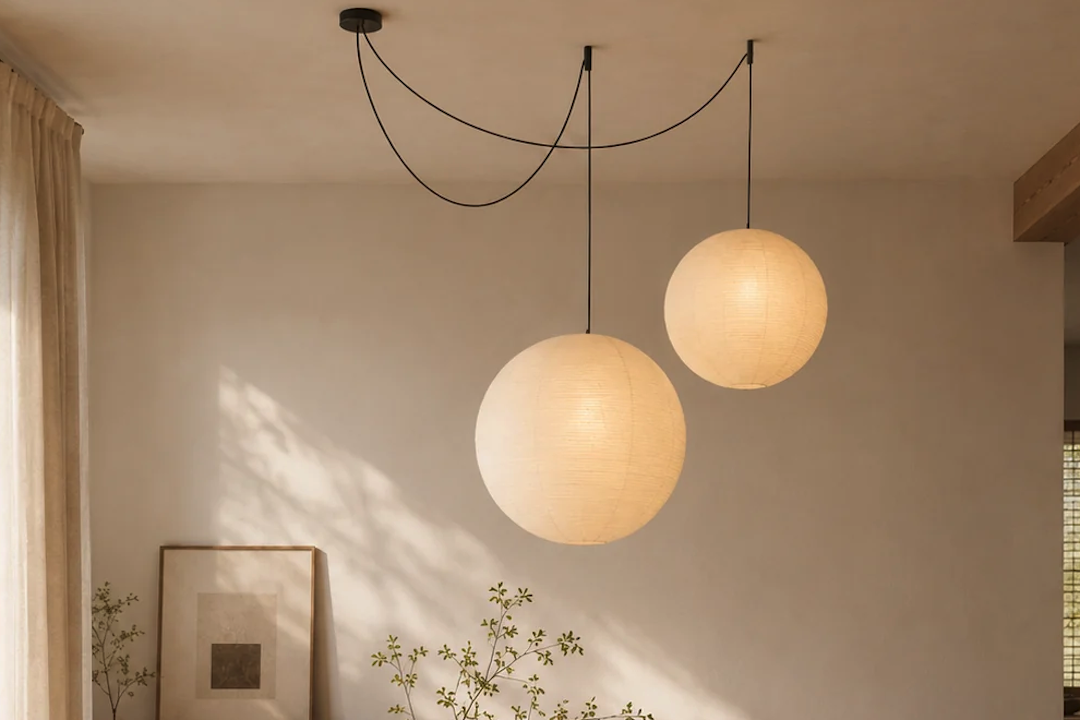
- Lanterns and Pendants: Solar lanterns, often designed to mimic traditional gas or kerosene lanterns, can be hung from hooks or placed on surfaces. Solar pendant lights, suspended from structures, offer a more architectural decorative element.
- Floating Pond Lights: These fixtures are designed to float on water surfaces, illuminating ponds or water features. They often incorporate color-changing LEDs for dynamic effects.
- Novelty Lights: This category encompasses a wide array of whimsical designs, from glow-in-the-dark figurines to solar-powered garden gnomes with illuminated eyes. While sometimes less focused on durability, they add character.
Security and Motion-Sensing Lights
While often not considered “luxury,” motion-sensing solar lights contribute to the overall utility and safety of a garden, a characteristic often associated with a well-appointed outdoor space.
- Motion-Activated Floodlights: These fixtures detect movement and illuminate for a set period, deterring intruders and providing light when needed for safety. They often use brighter LEDs and have a wider beam spread.
- Integrated Camera Lights: Some advanced solar security lights incorporate cameras, allowing for monitoring and remote viewing, effectively combining illumination with surveillance.
Advantages of Solar Luxury Lights
Opting for solar-powered garden illumination offers several compelling benefits that contribute to both environmental sustainability and practical convenience.
Environmental Stewardship
The primary environmental advantage of solar lights is their reliance on renewable energy. By harnessing sunlight, they reduce dependence on fossil fuels, thereby lowering carbon emissions and mitigating their impact on climate change. Each lumen produced by a solar light represents a reduction in energy consumed from the national grid, contributing to a smaller ecological footprint. Implementing solar lighting demonstrates a commitment to sustainable practices in garden design and maintenance.
Cost-Effectiveness and Energy Independence
While the initial purchase price of a high-quality solar luxury light might sometimes exceed that of a comparable wired fixture, the long-term cost savings are significant. Once installed, solar lights operate with zero electricity cost. This eliminates monthly utility bill increases associated with traditional lighting and insulates you from future energy price fluctuations. The investment in solar lights effectively pays for itself over their operational lifespan through avoided energy expenses.
Ease of Installation and Flexibility
A major practical advantage of solar lights is their wireless nature. They require no trenching for electrical cables, no complicated wiring diagrams, and no professional electrician for installation. Most solar lights are designed for simple user deployment – often just pressing a stake into the ground or hanging a hook. This ease of installation translates to significant cost savings on labor and provides unparalleled flexibility in placement. You can experiment with different lighting arrangements and reposition fixtures as your garden evolves without the need for disruptive work or rewiring. This freedom allows you to treat your garden as a canvas, moving light sources like brushstrokes until the perfect illumination is achieved.
Safety Considerations
The absence of electrical wiring in solar lighting systems inherently reduces certain safety risks associated with traditional wired outdoor lighting. There is no risk of electric shock from damaged cables, especially important in gardens where water is present or children and pets play. Furthermore, the low voltage (typically 3.2V or 3.7V) of the battery and LED components minimizes electrical hazards even if internal components are exposed. This makes solar lights a safer option for environments where exposed wiring or high voltages could pose a concern.
Durability and Longevity
Modern solar luxury lights are engineered for outdoor environments. Their casings are typically constructed from robust materials such as stainless steel, aluminum, or UV-resistant plastics, designed to withstand exposure to rain, wind, and varying temperatures. The LEDs themselves have exceptionally long lifespans, often exceeding 50,000 hours of operation. While batteries are the component most subject to wear and replacement, advances in battery technology, particularly with lithium-ion, have significantly extended their useful life. Many reputable manufacturers offer warranty periods that reflect the expected durability of their products.
Factors to Consider Before Purchase
While the allure of solar luxury lights is evident, a judicious approach to selection ensures satisfaction and optimal performance. Several factors warrant careful consideration before you make your purchase.
Light Output (Lumens) and Brightness
The “brightness” of a solar light is quantified by its lumen output. Unlike decorative fairy lights that might emit only a few lumens, security lights might offer hundreds. Determine the purpose of the light: Is it for ambient glow, task lighting, or security? For general path lighting, 10-50 lumens per fixture might suffice. For accenting a feature, 50-100 lumens could be appropriate. Security applications may require 200 or more lumens for effective illumination. Consider that perceived brightness is also influenced by the beam angle and the surrounding environment.
Run Time and Battery Capacity
The run time refers to how long the light will stay illuminated on a full charge. This is directly related to the battery’s capacity, typically measured in milliampere-hours (mAh). A higher mAh rating generally indicates a longer run time. Good quality solar luxury lights aim for at least 6-8 hours of illumination after a full day’s charge. If your region experiences extended periods of cloudy weather or short winter days, selecting lights with larger battery capacities and efficient charging will be paramount to ensure consistent performance.
Solar Panel Efficiency and Placement
The efficiency of the solar panel dictates how quickly and effectively it converts sunlight into electricity. Monocrystalline silicon panels are generally more efficient than polycrystalline panels, especially in lower light conditions. The size of the panel also plays a role – a larger panel can harvest more energy. Consider the placement of the solar panel. For optimal charging, it should ideally receive at least 6-8 hours of direct, unobstructed sunlight daily. Shady areas, while potentially beautiful for light placement, may drastically reduce charging efficiency. Some products offer detached solar panels that can be strategically positioned for maximum sun exposure while the light fixture remains in a desired, perhaps shaded, location.
Durability and Weather Resistance (IP Rating)
Outdoor lighting must withstand the elements. The Ingress Protection (IP) rating system provides a standardized measure of a fixture’s resistance to solids (dust) and liquids (water).
- The first digit relates to protection against solids (0-6, with 6 being dust-tight).
- The second digit relates to protection against liquids (0-8, with 8 being submersible under pressure).
For general garden use, a minimum IP44 rating (protected against solid objects >1mm and splashing water) is advisable. For lights near water features or ground-level placement, an IP65 (dust tight, protected against low-pressure water jets) or IP67 (dust tight, immersion up to 1 meter) rating would offer greater peace of mind and longevity. Stainless steel, robust plastics, and tempered glass are materials that contribute to durability.
Aesthetics and Design
Luxury in solar lighting often translates to thoughtful design and high-quality finishes. The aesthetic should complement your garden’s style, whether it be modern, traditional, rustic, or minimalist. Consider the materials used – brushed metals, frosted glass, or intricate designs can elevate the perceived value and contribute to the garden’s overall ambiance. The color temperature of the LED is also a design choice – warm white (around 2700K-3000K) often creates a cozy, inviting atmosphere, while cool white (around 4000K-5000K) can appear more modern and provide better visibility for certain tasks.
Maintenance and Longevity Best Practices
While solar luxury lights are designed for minimal upkeep, a few simple practices can significantly extend their operational life and maintain their aesthetic appeal. Treating them as an integral part of your garden’s infrastructure will ensure they continue to enhance your outdoor space reliably.
Regular Cleaning of Solar Panels
The efficiency of your solar light is directly tied to the amount of sunlight reaching its photovoltaic panel. Over time, dust, pollen, leaves, bird droppings, and other debris can accumulate on the panel’s surface, acting as a veil over the sun’s energy. Regularly (e.g., monthly or quarterly) wiping the solar panel with a soft, damp cloth will remove these obstructions, ensuring maximum energy harvest. Avoid abrasive cleaners or harsh scrubbing, which can scratch the panel’s surface and reduce its transparency.
Battery Care and Replacement
The rechargeable battery is typically the component with the shortest lifespan in a solar light setup. While modern lithium-ion batteries are more robust, they still have a finite number of charge/discharge cycles.
- Optimal Charging: Ensure the light receives ample sunlight for consistent charging to avoid deep discharge, which can degrade battery health.
- Temperature Extremes: Store lights (especially those with removable batteries) during prolonged periods of extreme cold or heat if not designed for such conditions, as these can impact battery performance and longevity.
- Replacement: When a light’s performance noticeably diminishes (e.g., shorter run times, dimmer output), it’s often a sign that the battery needs replacement. Many solar luxury lights are designed with easily accessible battery compartments, allowing for simple user replacement with standard rechargeable batteries of the correct type (NiMH or Li-ion) and voltage. Refer to the manufacturer’s instructions for the specific battery type required.
Positioning and Obstruction Management
The initial placement of your solar light is crucial, but gardens are dynamic environments. Plants grow, trees mature, and new structures may be introduced. Periodically reassess the light’s position to ensure its solar panel remains unobstructed. Prune overhanging branches, move potted plants, or adjust the fixture’s angle if necessary to maximize its exposure to direct sunlight. Even partial shading for a significant portion of the day can severely impact charging efficiency and, consequently, the light’s run time.
Protection from Damage
While durable, no outdoor fixture is entirely impervious to damage.
- Physical Protection: Consider the light’s location relative to high-traffic areas, children’s play zones, or garden maintenance activities (e.g., lawnmowing, weeding). Placing lights in recessed or protected areas can prevent accidental impact.
- Winter Storage: In regions with harsh winters, extremely heavy snowfall, or prolonged periods of freezing temperatures, some solar lights may benefit from temporary storage indoors. This protects delicate components, particularly batteries, from extreme cold, which can reduce their efficiency and lifespan. Ensure fixtures are clean and dry before storage.
By adhering to these straightforward maintenance practices, you can ensure that your solar luxury lights continue to provide reliable, efficient, and aesthetically pleasing illumination for your garden for many years to come.