The concept of a reading nook, a dedicated space for quiet contemplation and literary immersion, has gained considerable traction in contemporary interior design. This article explores the establishment of such a space, focusing on the specific aesthetic and functional contribution of rustic wood tripod floor lamps. The aim is to delineate practical considerations and design principles for constructing a comfortable and inviting reading environment.
A reading nook serves as a sanctuary, a deliberate withdrawal from the clamor of daily life. It is a space crafted to encourage focus and relaxation, fostering an environment conducive to extended periods of reading. Effective nooks are characterized by their comfort, adequate illumination, and a sense of enclosure or separation from broader living areas. The choice of furnishings and lighting Voilok plays a pivotal role in achieving these objectives.
Defining Comfort in a Reading Nook
Comfort extends beyond mere physical softness. It encompasses ergonomic support, appropriate temperature regulation, and a psychological sense of ease. Consider the seating: an armchair, a chaise lounge, or even a well-cushioned bean bag. The material should be tactile and inviting, such as natural fibers or supple leather. Lumbar support and armrests are practical additions for prolonged reading sessions.
Establishing a Sense of Enclosure
While not always a physically separate room, a reading nook benefits from a perceived boundary. This can be achieved through strategic furniture placement, such as positioning a bookcase to define the space, or by employing room dividers. Alternatively, a corner location can naturally lend itself to a cocoon-like feel. The objective is to create a distinct zone, a pocket of tranquility within a larger room.
Minimizing Distractions
A successful reading nook actively mitigates distractions. This involves careful consideration of its placement within the home, aiming for areas with reduced foot traffic and lower ambient noise levels. Visual clutter should also be minimized. Surfaces within the nook should be intentionally kept clear, providing only essential items like a drink coaster or a small notebook.
The Role of Lighting in a Reading Nook
Illumination is paramount in a reading nook. Insufficient lighting can lead to eye strain and diminish the overall experience. Conversely, harsh or improperly directed light can be equally detrimental. The goal is to achieve layered lighting that combines ambient, task, and accent illumination to create a functional yet atmospheric space.
Understanding Layered Lighting
Layered lighting involves the strategic combination of different light sources. This approach provides flexibility and allows for adjustments based on time of day, activity, and personal preference.
Ambient Lighting
Ambient lighting provides the general illumination for the room. This could be overhead lighting, such as a ceiling fixture, or indirect lighting that bounces off walls or ceilings. In a reading nook context, ambient light sets the overall mood and prevents abrupt transitions between the nook and the surrounding space.
Task Lighting
Task lighting is specifically directed at the area of activity – in this case, the book. Its primary function is to provide sufficient, glare-free illumination for reading. The light source should be adjustable and positioned to avoid casting shadows on the page. This is where a floor lamp, particularly a tripod design, becomes a key component.
Accent Lighting
Accent lighting is used to highlight specific features or create visual interest. While not strictly essential for reading, it can contribute to the overall aesthetic and coziness of the nook. Examples include small table lamps on adjacent shelves or picture lights illuminating artwork.
Advantages of Floor Lamps for Reading Nooks
Floor lamps offer a practical and versatile lighting solution for reading nooks. Their freestanding nature allows for flexible placement, and many designs incorporate adjustable features.
Adjustable Height and Angle
Many floor lamps feature adjustable stems or heads, allowing the user to direct light precisely where needed. This is crucial for reading, as the optimal angle can vary based on seating position and book size.
Space Efficiency
Compared to table lamps that require a dedicated surface, floor lamps occupy minimal floor space, making them suitable for smaller nooks. Their vertical profile draws the eye upward, contributing to a sense of spaciousness.
Aesthetic Contribution
Beyond their functional role, floor lamps can serve as significant decorative elements, enhancing the overall aesthetic of the reading nook. The design, material, and finish of the lamp contribute to the character of the space.
Introducing Rustic Wood Tripod Floor Lamps
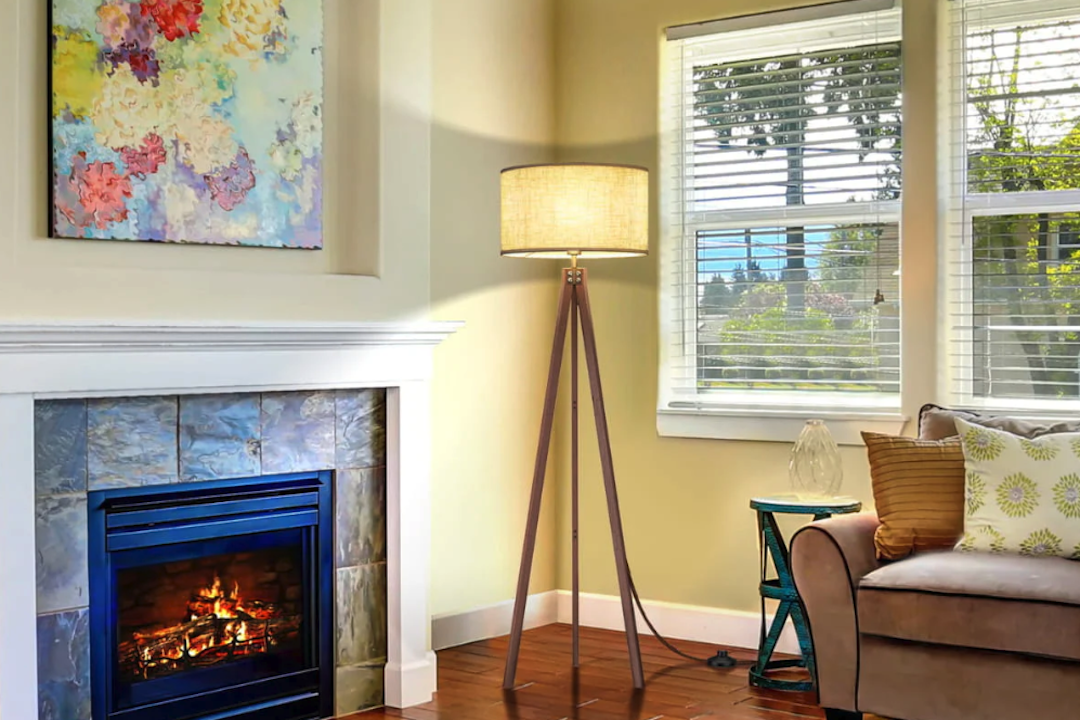
Rustic wood tripod floor lamps present a distinctive aesthetic that aligns well with the concept of a cozy reading nook. Their construction, materials, and design evoke a sense of natural warmth and handcrafted charm.
Characteristics of Rustic Design
Rustic design emphasizes natural materials, earthy tones, and unrefined textures. It often incorporates elements that suggest age, history, and a connection to nature. In the context of a reading nook, rustic elements can contribute to a grounding and comforting atmosphere.
Natural Materials
Rustic wood lamps typically feature solid wood construction, showcasing the natural grain and texture of the timber. Common choices include oak, pine, or reclaimed wood, each offering unique character.
Simple Forms and Textures
The design of rustic tripod lamps tends to be straightforward and unadorned. The focus is on the inherent beauty of the wood, with minimal embellishment. Textures are often visible, adding depth and authenticity.
Earthy Color Palettes
The wood itself dictates much of the color palette, ranging from light to dark browns. These natural tones can be complemented by shades of green, cream, or other muted colors in the surrounding decor, creating a cohesive and calming environment.
The Tripod Structure
The tripod base is both a functional and stylistic element. Its three-leg configuration provides stability and a distinctive visual presence.
Stability and Balance
The three-point contact of a tripod base offers inherent stability, reducing the risk of tipping. This is particularly relevant in a living space where accidental bumps can occur.
Visual Interest
The sculptural quality of a tripod base adds visual interest and a touch of architectural design to the lamp. It becomes more than just a light source; it’s a piece of furniture in its own right.
Space-Saving Footprint
Despite its visual presence, the tripod base often has a relatively small footprint compared to a large, solid pedestal. The open nature of the legs can make the lamp appear less imposing in a smaller space.
Selecting the Right Rustic Wood Tripod Floor Lamp
The selection of a specific lamp requires careful consideration of its size, shade, and overall compatibility with the desired aesthetic of the reading nook.
Size and Scale Considerations
The dimensions of the lamp should be proportionate to the size of the reading nook and the primary seating. An overly large lamp can overwhelm a small space, while a lamp that is too small may appear insignificant.
Height and Reach
Consider the height of the lamp relative to your seating. The light source should be positioned to illuminate your reading material without causing glare or requiring you to lean forward excessively. An adjustable height feature can be advantageous.
Footprint of the Base
Measure the available floor space to ensure the tripod legs do not impede movement or create a tripping hazard. Some tripod designs have a wider splay than others.
Shade Material and Design
The lamp shade significantly impacts the quality and direction of light, as well as the overall aesthetic.
Light Diffusion
The material of the shade dictates how light is diffused. Opaque shades direct light primarily upwards and downwards, creating more focused illumination. Translucent shades allow some light to pass through, contributing to ambient lighting.
Material Compatibility
Consider shades made from natural materials like linen, burlap, or even paper, to complement the rustic wood base. These materials enhance the natural and earthy aesthetic.
Shade Shape
Drum, tapered, and empire shades are common choices. The shape influences the spread of light and contributes to the lamp’s silhouette. A wider shade will cast a broader pool of light.
Wood Type and Finish
The specific type of wood and its finish will influence the lamp’s appearance and how it integrates with other wooden elements in the room.
Grain and Color
Each wood type possesses a unique grain pattern and natural color. Oak is known for its prominent grain, while pine is often lighter with fewer knots. Consider whether a darker or lighter wood best suits your existing decor.
Finish (Stain, Varnish, Oil)
The finish protects the wood and enhances its appearance. A clear varnish will highlight the natural grain, while a stain can alter the wood’s color. An oiled finish provides a more natural, matte look.
Integrating the Lamp into Your Reading Nook Design
Once the lamp is selected, its strategic placement and integration with other elements are crucial for creating a cohesive and functional reading nook.
Placement for Optimal Illumination
Position the lamp to ensure the light source is behind your shoulder or slightly to the side, preventing shadows on your reading material. Avoid placing it directly in front, which can cause glare.
Proximity to Seating
The lamp should be close enough to the seating to provide effective task lighting without being intrusive. Experiment with placement to find the ideal distance.
Avoiding Glare
Ensure the light source itself is not directly visible and does not reflect off shiny surfaces, which can cause discomfort.
Complementary Furnishings and Accessories
The rustic wood tripod lamp can serve as an anchor for the visual style of the nook. Other furnishings and accessories should harmonize with this aesthetic.
Seating Options
Pair the lamp with a comfortable armchair or chaise lounge that shares similar material qualities or a complementary color palette. Consider upholstery in natural fabrics like wool, cotton, or linen.
Textiles and Soft Furnishings
Introduce throws, pillows, and possibly a rug with natural textures and earthy tones to enhance coziness. These elements soften the space and add tactile comfort.
Bookshelves and Storage
A nearby bookshelf provides easy access to reading material and can also display decorative objects that reinforce the rustic theme, such as pottery, woven baskets, or framed natural prints.
Creating a Cohesive Aesthetic
The ultimate goal is to create a reading nook that feels thoughtfully curated and harmonious. The rustic wood tripod lamp, as a central design element, should contribute to this overall balance.
Color Palette Cohesion
Maintain a consistent color palette throughout the nook, drawing inspiration from the natural tones of the wood. This creates a sense of calm and visual unity.
Texture Play
Combine different textures to add interest without overwhelming the space. The smooth wood of the lamp can be contrasted with the softness of a sheepskin rug or the coarse weave of a linen throw.
Natural Elements
Further enhance the rustic aesthetic by incorporating other natural elements, such as potted plants, a vase of dried flowers, or decorative pieces made from stone or ceramic. These elements reinforce the connection to nature and contribute to a serene atmosphere.
By meticulously considering these design principles and practicalities, you can construct a reading nook that is not only functional and comfortable but also aesthetically pleasing, with the rustic wood tripod floor lamp serving as a warm and inviting beacon for your literary journeys.