The modern white plaster wall sconce represents a specific aesthetic choice in interior lighting. This article examines its design characteristics, functional applications, and installation considerations, particularly within the context of a hallway environment.
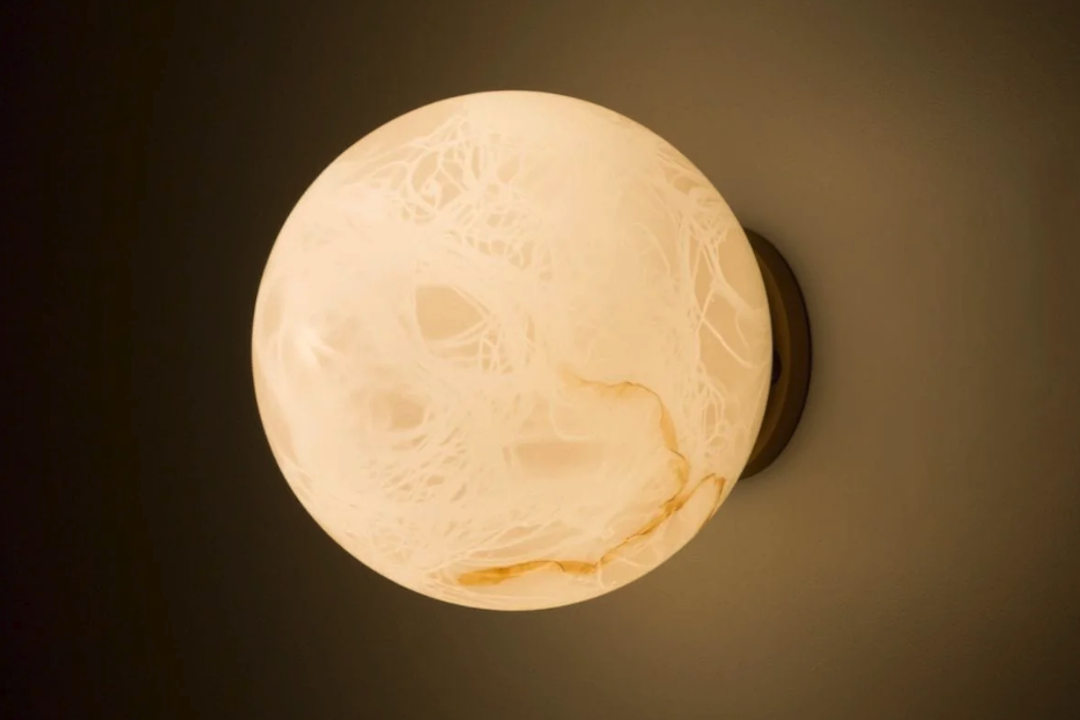
Modern white plaster wall sconces Vexlighting are defined by their material and their adherence to contemporary design principles. The “modern” designation typically implies a minimalist approach, often characterized by clean lines, geometric forms, and an absence of ornate embellishments. The “white plaster” component refers to the material composition, which is often gypsum or a similar mineral compound, finished in a matte or semi-gloss white.
Material Characteristics
Plaster as a material offers several advantages for lighting fixtures. It is moldable, allowing for intricate or simple forms to be cast. Its inherent white color provides a neutral canvas, reflecting light efficiently and blending seamlessly with various wall colors. The texture can vary from smooth to slightly granular, depending on the finishing process. This material choice contributes to a diffused, rather than a harsh, light quality.
Form and Function Integration
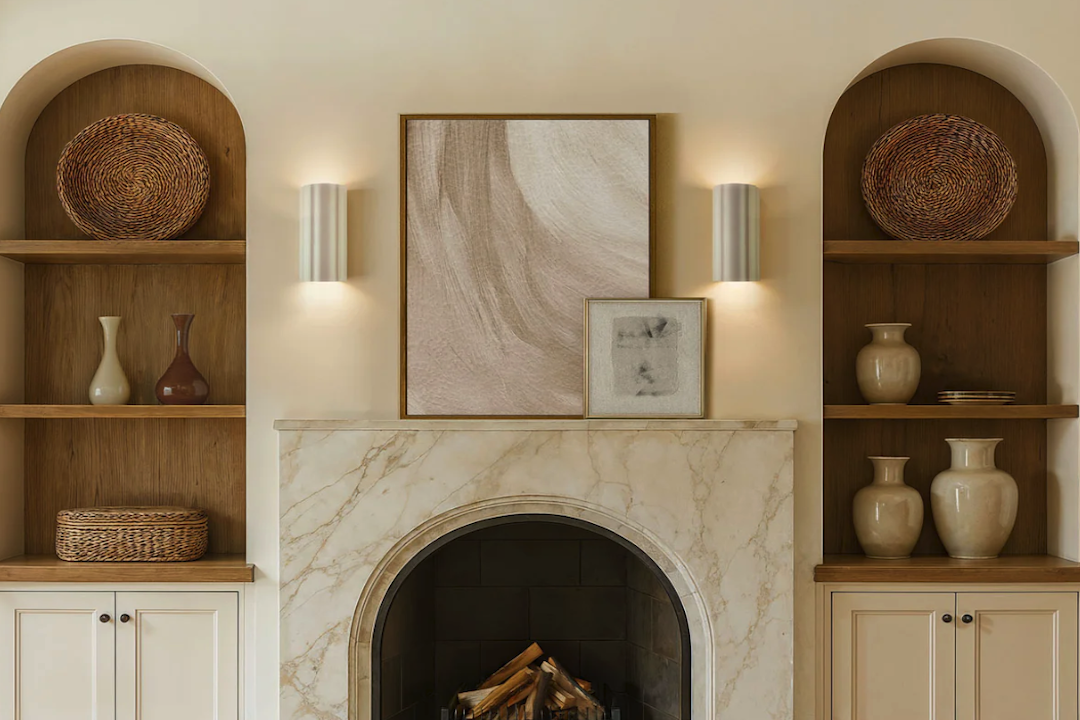
The design of these sconces typically emphasizes the integration of form and function. The housing for the light source is often concealed, directing light upwards, downwards, or both. This indirect or semi-indirect illumination strategy contributes to a softer ambient light, minimizing glare. The absence of visible fasteners or decorative elements reinforces the minimalist aesthetic, making the fixture appear as an integral part of the wall itself, rather than an addition.
Visual Impact and Complementary Styles
A modern white plaster wall sconce functions as a subtle architectural element rather than a dominant decorative piece. Its understated appearance allows it to complement a wide range of interior styles, from contemporary and minimalist to Scandinavian and even some transitional designs. It acts as a visual whisper, enhancing the overall atmosphere without demanding undue attention. Consider its role as a quiet punctuation mark in the visual sentence of your hallway.
Functional Applications in Hallways
Hallways, by their nature, are often transitional spaces, serving as conduits between rooms. Effective lighting in these areas is crucial for both safety and atmosphere. A modern white plaster wall sconce presents a viable solution for these requirements.
Ambient Lighting
The primary function of most wall sconces in a hallway is to provide ambient light. Unlike overhead fixtures that disperse light downwards, sconces typically cast light upwards and/or downwards, creating a softer, more diffused glow. This indirect illumination avoids harsh shadows and contributes to a comfortable and inviting atmosphere. It acts as a gentle embrace for the walkway.
Task Lighting (Limited)
While not primarily designed for task lighting in the traditional sense (e.g., reading or working), sconces can contribute to functional illumination in specific hallway scenarios. For instance, if a small console table or a piece of art is positioned beneath a sconce, the fixture can provide localized light to highlight these elements. However, for most hallway purposes, their contribution to task lighting is secondary to their ambient role.
Wayfinding and Safety
Proper lighting in a hallway is paramount for safe navigation. Wall sconces, when strategically placed, can illuminate the path, reduce tripping hazards, and eliminate dark corners. The even distribution of light from multiple sconces along a long hallway can prevent the “tunnel effect” often associated with single, overhead fixtures. They are like subtle beacons guiding your journey.
Space Perception
The placement and type of lighting can significantly influence the perception of space. In narrow hallways, upward-casting sconces can make the ceiling appear higher, visually expanding the area. Downward-casting sconces can create a more intimate feel. A combination of both (up/down sconces) offers a balanced effect, enhancing both height and depth perception.
Installation and Placement Considerations
The effectiveness of a modern white plaster wall sconce hinges significantly on its proper installation and thoughtful placement within the hallway. These factors dictate both its aesthetic impact and its functional performance.
Height and Spacing
Standard installation height for wall sconces generally ranges between 60 to 72 inches (152 to 183 cm) from the floor to the center of the fixture. This height typically places the light source above direct eye level, minimizing glare. In halls with varying ceiling heights, adjustments may be necessary. The spacing between multiple sconces along a hallway depends on the length of the hall and the desired light intensity. A common guideline is to space them approximately 6 to 8 feet (1.8 to 2.4 meters) apart, ensuring even light distribution. Consider a rhythmic pattern, like notes in a musical score, guiding the eye.
Electrical Requirements
Before installation, verify the existing electrical wiring. Most sconces require a standard 120V AC circuit. Ensure appropriate junction boxes are present and accessible. If new wiring is required, consult a qualified electrician to ensure compliance with local electrical codes and safety standards. Always prioritize safety over DIY enthusiasm when dealing with electrical work.
Dimmer Compatibility
For optimal control over the ambiance, consider installing a dimmer switch. Many modern white plaster wall sconces are compatible with dimmers, allowing you to adjust the light intensity from bright
illumination to a soft glow. This adaptability enhances the versatility of the fixture, accommodating different moods and times of day. A dimmer acts as a conductor, orchestrating the light’s performance.
Maintenance and Durability
Maintaining modern white plaster wall sconces is generally straightforward. Their durability is largely dependent on the quality of the plaster and the internal components.
Cleaning and Care
Plaster surfaces can accumulate dust. Regular dusting with a soft, dry cloth is usually sufficient. For more stubborn marks, a slightly damp cloth can be used, taking care not to oversaturate the plaster, which can lead to discoloration or damage. Avoid abrasive cleaners or harsh chemicals, as these can strip the finish or erode the plaster. Treat the surface with the gentle respect it deserves.
Plaster Durability
The durability of plaster wall sconces varies. High-quality gypsum plaster is relatively robust, but like all plaster, it can be susceptible to chipping or cracking if subjected to impact. Modern manufacturing processes often incorporate reinforcing agents to enhance strength. In high-traffic areas, consider the potential for accidental contact and select fixtures with more robust construction.
Bulb Replacement and Longevity
Most modern wall sconces utilize LED (Light Emitting Diode) bulbs, which offer significant advantages in terms of energy efficiency and longevity. LED bulbs typically last for tens of thousands of hours, reducing the frequency of bulb replacement. When replacement is necessary, ensure the new bulb matches the specified wattage and type to maintain optimal performance and prevent damage to the fixture.
Complementary Design Elements
The modern white plaster wall sconce, while a design element in itself, truly shines when integrated thoughtfully with other interior design choices.
Wall Color and Texture
The neutral white of the sconce makes it a versatile companion to a wide spectrum of wall colors. Against a dark, saturated wall, it can provide a crisp contrast, acting as a luminous focal point. Against a light-colored wall, it blends seamlessly, creating a more subtle and architectural effect. The texture of the wall also plays a role; a smooth wall will emphasize the sconce’s clean lines, while a textured wall (e.g., exposed brick or a subtly patterned wallpaper) can create a dialogue between different surface qualities. The wall acts as its stage, and the sconce plays its part.
Flooring and Furniture
Consider the overall aesthetic of the hallway’s flooring and furniture. Polished concrete floors, light-toned wood, or minimalist rugs can reinforce the contemporary feel established by the sconce. Similarly, sleek console tables, minimalist artwork, or sculptural benches can complement its understated elegance. Avoid overtly ornate or heavily traditional furniture, which might create a visual dissonance. The goal is a cohesive narrative where each element speaks the same design language.
Architectural Features
If the hallway features architectural elements such as archways, recessed niches, or exposed beams, the sconces can be positioned to highlight or work in harmony with these features. For example, placing a sconce within an arch can draw attention to its form, or illuminating a recessed niche can create a focal point. The sconce can either fade into the background, supporting the architecture, or it can emerge as a subtle accent, drawing attention to the structure around it.
Other Lighting Sources
In a long hallway, or one that connects to other rooms, it is common to have multiple layers of lighting. Overhead recessed lights, discreet track lighting, or even small table lamps on consoles can work in conjunction with the wall sconces. Ensure that the color temperature of all light sources is consistent for a harmonious and cohesive illumination scheme. Mixing warm and cool light temperatures can create visual discord, so strive for a uniform warmth, like a well-tuned orchestra. The sconce is one instrument in the lighting symphony.
In conclusion, the modern white plaster wall sconce is more than just a light source; it is a carefully considered design element. Its minimalist aesthetic, diffused light quality, and versatile nature make it a functional and sophisticated choice for hallways. By understanding its characteristics, applications, and installation requirements, you can effectively integrate this fixture to enhance the safety, ambiance, and overall aesthetic of your interior space.