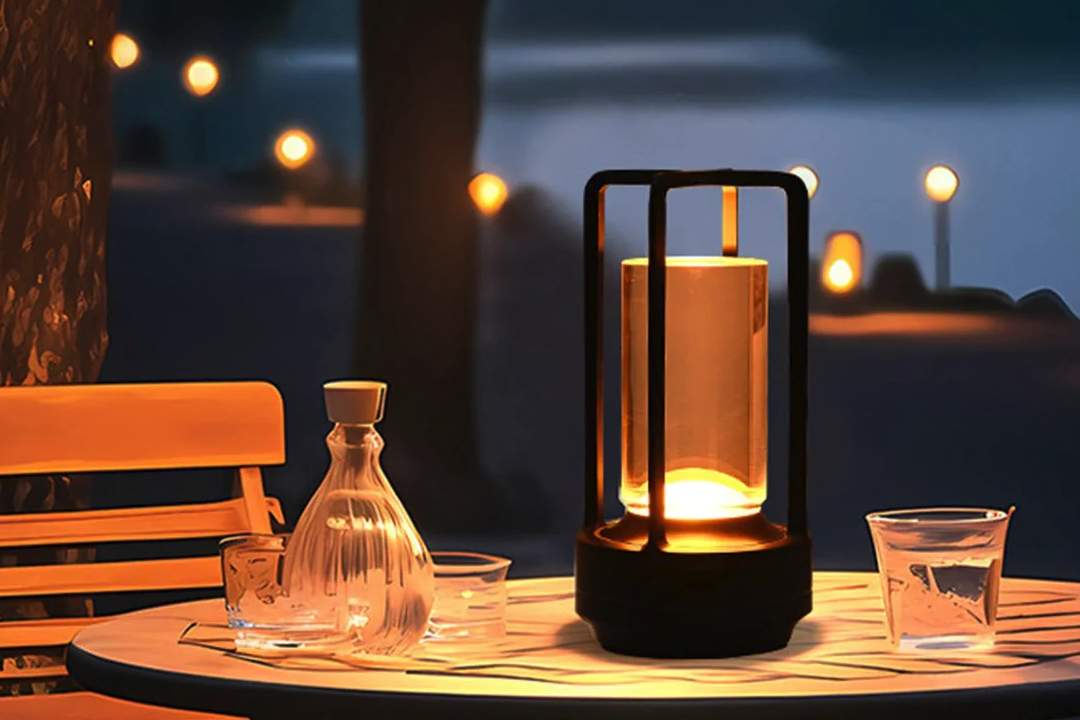
Looking for a convenient portable lantern with touch dimming? You’re in luck. There are plenty of options out there that offer just that – ease of use, portability, and adjustable brightness all in one package. No more fumbling with small switches or carrying heavy, clunky lights. These lanterns are designed to be user-friendly and adaptable to various situations, whether you’re camping, enduring a power outage, or just need some extra light on your patio.
It’s all about control and convenience. Imagine needing just a subtle glow for reading in your tent, then ramping it up for a late-night board game. A touch-dimming feature allows for instant, seamless adjustment without having to cycle through pre-set modes or fiddle with knobs.
Intuitive Brightness Adjustment
Instead of clicking a button multiple times to get the right light Stickstory level, touch dimming offers a more fluid experience. A simple tap or press and hold often does the trick, letting you find the perfect ambiance or task lighting with minimal effort. This is particularly useful when you’re half-asleep or trying not to disturb others.
Enhanced User Experience
No one wants to fight with their gear, especially when light is essential. Touch controls often replace small, sometimes hard-to-find buttons, leading to a more intuitive and frustration-free experience. It’s about making your interaction with the device as smooth as possible.
Versatility in Use
From a soft night light in a child’s room to a bright beacon during a power cut, the ability to fine-tune the light output makes these lanterns incredibly versatile. You’re not stuck with just “on” or “off,” but a whole spectrum of illumination at your fingertips.
Key Features to Look For
Beyond the touch dimming, there are several other practical features that make a portable lantern truly convenient and useful. Focusing on these will help you choose a lantern that fits your specific needs.
Battery Life and Charging Options
A lantern is only as good as its battery. You’ll want something that can last through your intended use, whether that’s a weekend camping trip or just a few hours during an evening power outage.
Long-Lasting Power
Check the advertised battery life at various brightness settings. A longer lifespan, especially at lower settings, means less worry about recharging. Some lanterns can surprisingly run for dozens of hours on their lowest setting.
USB-C and Power Bank Functionality
USB-C is becoming the standard for good reason – it’s reversible and offers faster charging. Even better, some lanterns can double as power banks, allowing you to charge your phone or other small devices in a pinch. This can be a real lifesaver when off-grid or during an emergency. Make sure to check the output current if you plan on using it as a power bank, as some only offer a slow trickle charge.
Solar Charging Options
For extended trips or off-grid living, a solar panel integrated into the lantern or as an accessory can be incredibly useful. While they might not fully charge the lantern quickly, they can top it up or extend its life significantly, especially during daylight hours.
Durability and Weather Resistance
Portable means it’s likely to face some bumps and splashes. A robust build and some level of water resistance are crucial for longevity.
Impact Resistance
Look for lanterns made from durable plastics or metals. An accidental drop shouldn’t render your light source useless. Some manufacturers even specify drop test ratings, which can give you a good indication of their resilience.
IP Ratings for Water Resistance
An IPX4 rating generally means it can withstand splashes from any direction, which is usually sufficient for rain or accidental spills. For more rigorous outdoor use, an IPX6 or IPX7 rating offers better protection against heavier rain or even temporary submersion. Don’t assume all “weather-resistant” lanterns are the same – check the specific IP rating.
Light Modes and Color Temperature
Beyond simple dimming, other lighting options can enhance the lantern’s utility.
Multiple Color Temperatures
Some lanterns offer the ability to switch between warm, neutral, and cool white light. Warm light (around 2700K-3000K) is often preferred for relaxation and ambiance, while cooler light (5000K-6500K) can be better for tasks or increasing alertness. This flexibility can make a big difference in how comfortable and effective the light feels.
Emergency and Special Modes
A flashing or SOS mode can be invaluable in emergencies. Red light modes are also useful for preserving night vision, particularly for stargazing or not disturbing others in a tent. These aren’t always standard, so keep an eye out if these features are important to you.
Design and Ergonomics
A portable lantern should be easy to carry, store, and use. The design aspects play a significant role in its overall convenience.
Portability and Weight
If you’re hiking or backpacking, every ounce counts. A lightweight design that doesn’t compromise on durability is ideal.
Compact Size
A lantern that can collapse or is inherently small makes it easier to pack in a backpack or survival kit. Consider whether it needs to fit into a particular space.
Integrated Handles or Hooks
A sturdy handle allows for easy carrying, and a built-in hook or hanging loop means you can suspend it in a tent, from a branch, or in a shed, freeing up surface space. Some designs even include magnetic bases for attaching to metal surfaces.
Stable Base
While hanging is convenient, a flat, stable base is important if you plan on placing it on a table or uneven ground. You don’t want your light source to be constantly tipping over. Look for a wide base or perhaps even rubberized feet for extra grip.
Practical Scenarios for Use
Understanding where and how these lanterns shine can help you assess their value for your personal situation. They’re not just for camping anymore.
Camping and Outdoor Adventures
This is perhaps the most obvious use case. A reliable, dimmable light is essential for navigating campsites, reading in your tent, or cooking after sunset.
Tent Lighting
Hanging a dimmable lantern in your tent provides comfortable ambient light that won’t blind you when you wake up in the middle of the night. The dimming feature is perfect for bedtime stories or finding gear without disturbing fellow campers.
Campfire Alternatives
When campfires are restricted or not feasible, a portable lantern can provide a source of light and warmth-like glow without the smoke or fire risk. A warm color temperature setting can replicate the cozy feel of a fire.
Emergency Preparedness
Power outages happen. Having a dependable, long-lasting light source that’s easy to use can significantly reduce stress during these times.
Power Outages at Home
No more scrambling for candles or draining your phone battery. A dimmable lantern can illuminate a room comfortably, allowing you to move around safely and even read. The portability means you can take it from room to room as needed.
Vehicle Breakdowns
Keep one in your car. It can be invaluable for safely checking under the hood, changing a tire in the dark, or signaling for help if it has a flashing mode.
Home and Patio Use
Beyond emergencies and the outdoors, these lanterns can enhance everyday living.
Ambient Patio Lighting
Create a relaxing atmosphere for evening gatherings on your patio or balcony. The dimming feature lets you adjust the mood from bright conversation to a soft, romantic glow.
Task Lighting in the Garage or Workshop
Sometimes, your built-in lights just don’t cut it. A portable lantern can provide focused light exactly where you need it, hands-free if it has a magnetic base or hook. It’s much safer than fumbling with extension cords and temporary setups.
Children’s Night Light
A very low, warm light setting can serve as a comforting night light for children, and its portability means they can take it with them if they need to get up during the night. The cool-to-the-touch nature of LED lanterns makes them safe for use around kids.
Maintenance and Care
To ensure your convenient portable lantern lasts, a little care goes a long way. These aren’t high-maintenance devices, but a few simple practices will extend their lifespan.
Battery Health
Modern rechargeable batteries (typically Li-ion) benefit from proper charging habits.
Avoid Deep Discharges
While most modern batteries are protected, try to recharge before the battery completely dies. Repeatedly draining the battery to 0% can reduce its overall lifespan over time.
Store with Partial Charge
If you’re storing the lantern for a long period, aim for a charge level of around 50-70%. Storing at 0% or 100% for extended durations can put stress on the battery.
Cleaning and Storage
Keeping your lantern clean and storing it properly will prevent wear and tear.
Wipe Down Regularly
Especially after outdoor use, gently wipe down the lantern to remove dirt, dust, and moisture. Use a soft, damp cloth. Avoid harsh chemicals that could damage the casing or seals.
Store in a Dry Place
Moisture is the enemy of electronics. After use, ensure the lantern is completely dry before storing it away. If it has a carrying case, ensure that too is dry. Storing it in a cool, dry place away from direct sunlight will prevent material degradation and battery issues.
Checking Seals and Ports
If your lantern has an IP rating for water resistance, the seals around charging ports and battery compartments are crucial.
Inspect for Damage
Periodically check these seals for any cracks, tears, or signs of wear. Damaged seals compromise water resistance.
Keep Ports Clean
Dust and debris can get into charging ports. Use a soft brush or compressed air to keep them clear, ensuring proper connection and charging.
In conclusion, a convenient portable lantern with touch dimming isn’t just a gadget; it’s a versatile tool that enhances comfort, safety, and preparedness in numerous situations. By considering the features outlined above, you can confidently choose a model that provides reliable, adaptable light whenever and wherever you need it, without the fuss or frustration often associated with less thoughtfully designed lighting solutions.