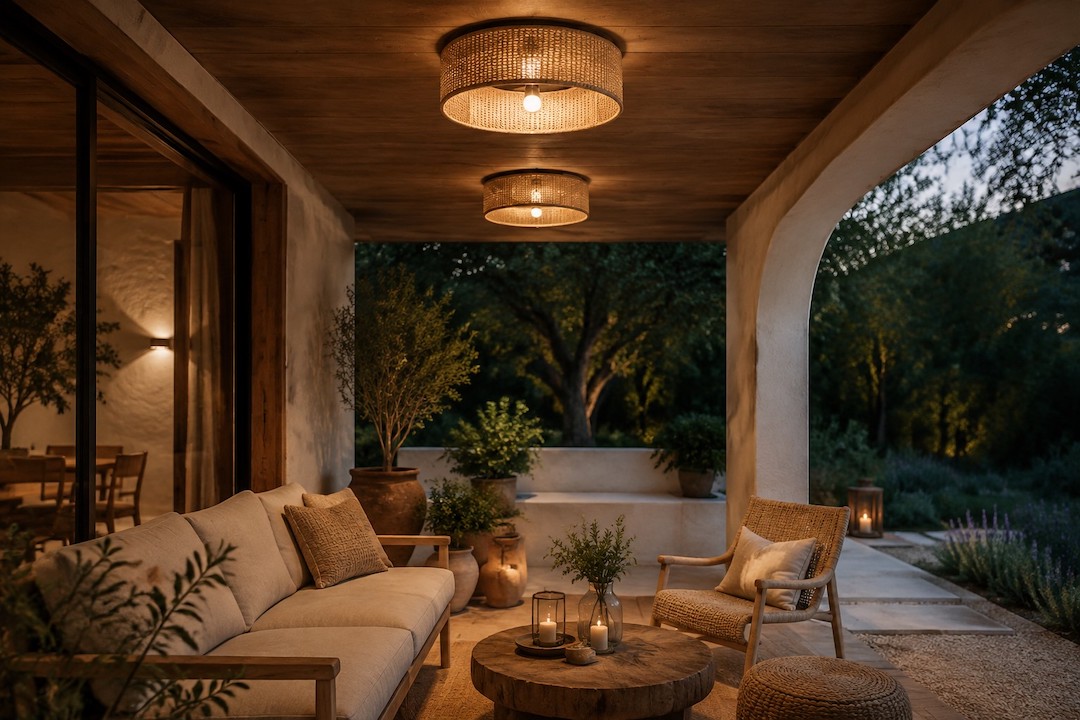
So, you’re looking to light up your organic modern covered patio, and cane webbing has caught your eye? Great choice! The short answer is yes, cane webbing can absolutely be incorporated into covered patio lighting, adding that perfect touch of warmth, texture, and natural elegance that defines organic modern style. It’s all about finding the right fixtures and ensuring they’re suitable for outdoor, albeit covered, use.
This isn’t about slapping some rattan onto any old light Mimamoon. It’s about thoughtful design, practical considerations, and embracing a look that feels both contemporary and connected to nature. Let’s dive into how to make this vision a reality.
Cane webbing brings a unique blend of practicality and aesthetics to outdoor spaces. It’s not just a pretty face; it offers real benefits that align perfectly with the organic modern ethos.
The Organic Modern Aesthetic
Organic modern is all about blending the clean lines and functionality of modern design with natural materials, earthy tones, and a focus on comfort. Cane webbing, with its intricate weave and natural straw color, perfectly embodies this. It softens modern angles, introduces a tactile element, and provides a gentle, diffused light that’s incredibly inviting.
- Warmth and Texture: It instantly adds visual interest and a cozy, lived-in feel to a space that might otherwise feel a bit stark.
- Natural Materials: Aligning with the organic aspect, cane is a renewable resource, appealing to those who prioritize sustainable design.
- Light Diffusion: The open weave of cane webbing allows light to filter through, creating beautiful patterns and a soft, ambient glow rather than a harsh, direct beam. This is ideal for a relaxed patio setting.
Durability and Suitability (with caveats)
While cane itself is natural, its use outdoors requires a bit more thought than an indoor application. It’s not inherently waterproof or UV-proof, but within a covered patio setting, it can thrive.
- Covered Protection is Key: This cannot be stressed enough. Cane webbing used in lighting needs to be protected from direct rain, snow, and prolonged intense sunlight. A well-designed covered patio provides exactly this shield.
- Humidity Considerations: Even under cover, humidity can be a factor. Cane can absorb moisture, which might lead to warping or mildew if constantly exposed to high humidity without proper air circulation. Choosing fixtures with good ventilation or treating the cane can mitigate this.
- UV Exposure: While covered, some indirect UV rays can still reach the cane. Over many years, this might cause some fading or embrittlement. However, the lifespan is generally quite good in a protected environment.
Types of Cane Webbing Lighting Fixtures for Patios
When it comes to incorporating cane webbing into your patio lighting, you have several options, each offering a different aesthetic and functional purpose.
Pendant Lights
Pendant lights are often the star of the show, acting as a central design element. On a covered patio, they can hang over a dining table, a lounge area, or even define a seating nook.
- Single Statement Pendants: A large, beautifully crafted cane pendant can draw the eye and provide ample ambient light for a specific zone. Look for designs that feature the cane prominently.
- Cluster Pendants: For a more dramatic effect or to illuminate a larger area, a cluster of smaller cane pendants hung at varying heights can create a captivating display.
- Linear Pendants: If you have a long dining table or bar area, a linear pendant incorporating cane elements can provide even illumination and a cohesive look.
Wall Sconces
Wall sconces are excellent for providing accent lighting, illuminating pathways, or adding a layer of ambient light without taking up valuable overhead space.
- Uplight/Downlight Sconces: These can create interesting light patterns on your patio walls, highlighting textures or architectural features. Cane can be used as a decorative element on the fixture itself, allowing light to peek through.
- Enclosed Sconces with Cane Detailing: Some sconces feature an internal light source with an outer frame that incorporates cane webbing, offering a subtle nod to the material while still being robustly weather-resistant.
Table and Floor Lamps
While less common for permanent outdoor installation due to exposure, outdoor-rated table and floor lamps with cane elements can be brought out for special occasions or placed in very protected corners.
- Portable Solutions: Consider battery-operated or solar-powered table lamps that feature cane accents. These offer flexibility and can be easily stored away when not in use.
- Protected Corners: If you have a very deep covered patio or a screened-in porch, a floor lamp with a cane shade might work, provided it’s shielded from any moisture.
Integrated Lighting
This involves bespoke or semi-bespoke solutions where cane webbing is built directly into permanent structures.
- Ceiling Panels with Backlighting: Imagine a section of your covered patio ceiling where cane webbing is installed with LED strip lights behind it. This creates a stunning, diffused glow across the entire space.
- Pergola or Trellis Inserts: If your patio has a more open pergola-style roof (but still covered), panels of cane webbing could be incorporated to soften the light coming from above.
Practical Considerations for Outdoor Cane Webbing Lighting
Before you buy or DIY, there are some important practicalities to iron out. Skipping these steps can lead to disappointment or even safety issues.
Outdoor Rating and Electrical Safety
This is paramount. Even under a cover, outdoor lighting needs to meet specific safety standards.
- Damp-Rated vs. Wet-Rated: For a covered patio, fixtures generally need to be at least “damp-rated.” This means they can withstand moisture, condensation, and humidity. “Wet-rated” is for direct exposure to rain. Always check the product specifications.
- Professional Installation: Unless you’re a qualified electrician, hiring one for outdoor wiring and fixture installation is highly recommended. This ensures compliance with local codes and, most importantly, safety.
- GFCI Protection: All outdoor electrical outlets and circuits should be protected by a Ground Fault Circuit Interrupter (GFCI) to prevent electrical shock.
Light Output and Bulb Type
The type of light emitted is just as important as the fixture’s aesthetic. Cane webbing naturally diffuses light, so consider bulbs that complement this.
- LED Bulbs: Energy-efficient, long-lasting, and available in a wide range of color temperatures. They produce less heat, which is a bonus for natural materials like cane.
- Color Temperature (Kelvin): For an organic modern feel, aim for warmer light.
- 2700K – 3000K (Warm White): Creates a cozy, inviting atmosphere, mimicking traditional incandescent bulbs. This is generally ideal for a relaxed patio.
- 3500K – 4000K (Neutral White): Can work in some modern settings if you prefer a slightly crisper light, but might feel less “organic” for some.
- Dimmable Options: Having dimmable lights is incredibly useful for a patio. You can bright light for tasks or entertaining, and dim it down for a more intimate, relaxed evening. Ensure both your fixtures and bulbs are dimmable.
Size and Scale
Don’t underestimate the impact of scale on your patio’s overall look.
- Patio Size: A large patio can handle larger, more numerous fixtures, while a smaller patio might feel overwhelmed by oversized pieces.
- Ceiling Height: High ceilings can accommodate longer pendants, creating a sense of grandeur. Lower ceilings require flush-mount or semi-flush-mount options, or shorter pendants.
- Furniture Arrangement: Consider where your furniture will be. A pendant light should hang at a comfortable height over a dining table, not impeding sightlines or head clearance.
DIY vs. Buying Pre-Made Cane Webbing Lights
You’ve got two main routes here, and each has its pros and cons.
Buying Pre-Made Fixtures
This is the easiest and often safest option, especially when dealing with electricity.
- Convenience: Ready to install, often with clear instructions.
- Safety Standards: Reputable manufacturers will have their fixtures rated for outdoor use (damp or wet-rated) and certified for electrical safety.
- Design Variety: The market for organic modern and natural material lighting is growing, so you’ll find a good selection of cane webbing fixtures.
- Cost: Can be more expensive upfront, but often includes warranties and professional design.
DIY Cane Webbing Lighting
If you’re handy and want a custom look, this can be a rewarding project, but it requires careful planning and execution, especially regarding electrical safety.
- Customization: You can achieve a truly unique look that perfectly matches your vision.
- Cost Savings (Potentially): If you source materials wisely, it can be cheaper than high-end pre-made fixtures.
- Creative Outlet: A great way to put your personal stamp on your patio.
- Safety First: This cannot be stressed enough. Do not attempt to DIY the electrical components unless you are qualified. Focus on modifying existing outdoor-rated fixtures or creating decorative elements around already safe lighting.
Tips for DIYing with Cane Webbing:
- Start with an Outdoor-Rated Base: Find an existing damp-rated or wet-rated fixture (e.g., a simple outdoor pendant or wall sconce) that you can decorate with cane webbing, rather than trying to build a light from scratch.
- Source Quality Cane: Look for natural, untreated cane webbing. You can buy it in rolls or sheets.
- Measure and Cut Carefully: Cane webbing can fray, so cut slightly larger than needed and use a sharp utility knife or heavy-duty scissors.
- Securely Attach: Use outdoor-rated adhesive, staples (stainless steel to prevent rust), or small screws to attach the cane to your fixture. Ensure it’s securely fastened and won’t come loose.
- Consider a Protective Sealant: While covered, applying a marine-grade sealant (non-toxic once cured) to the cane can offer an extra layer of protection against humidity and minor splashes, extending its life. Test on an inconspicuous spot first.
- Maintain Airflow: Don’t completely encase a light bulb with cane webbing, especially if it’s not an LED. Ensure there’s adequate ventilation to prevent heat buildup. LEDs produce less heat, making them a safer choice for DIY projects involving natural materials.
Maintenance and Care for Cane Webbing on Your Patio
Even in a covered setting, cane webbing will benefit from a little care to keep it looking its best.
Regular Cleaning
Dust and cobwebs are inevitable outdoors.
- Soft Brush or Vacuum: Use a soft brush attachment on your vacuum cleaner to gently remove dust and debris from the cane webbing.
- Damp Cloth (Sparingly): For more stubborn dirt, lightly dampen a cloth with plain water (no harsh chemicals) and gently wipe the cane. Immediately dry with a clean, soft cloth. Avoid saturating the cane.
Addressing Mildew and Mold
If your patio experiences high humidity, mildew can become an issue.
- Prompt Action: If you see any signs of mildew (dark spots, musty smell), address it immediately.
- Mildew Remover: A diluted solution of white vinegar and water (50/50) can be gently applied with a soft cloth. Test in an inconspicuous area first. Allow it to air dry thoroughly, ideally in a well-ventilated spot.
- Prevention: Ensure good air circulation around your patio, and consider a dehumidifier if humidity is a constant problem.
Longevity and Replacement
Cane, being a natural material, won’t last forever, especially outdoors.
- Expect Gradual Wear: Over time, even protected cane might fade slightly or show some signs of age. This can actually enhance the organic aesthetic.
- When to Replace: If the cane webbing becomes severely brittle, cracked, or significantly damaged, it might be time to replace the cane elements or the entire fixture. This is another reason why starting with a quality outdoor-rated base for DIY projects is smart – you can refresh the cane without replacing the electricals.
Incorporating cane webbing into your covered patio lighting is a beautiful way to elevate your outdoor space, bringing warmth, texture, and that coveted organic modern vibe. With thoughtful planning around outdoor suitability, safety, and a little ongoing care, your cane-accented lighting will be a cherished feature for years to come.