Oak lighting and pale Scandinavian floors truly are a match made in design heaven. If you’re looking to create a space that feels bright, airy, and grounded all at once, this combination is a fantastic starting point. It’s about harnessing natural elements to build a calm and inviting atmosphere, and it’s surprisingly versatile.
At its core, this combination succeeds because it balances warmth with light and texture. Pale Scandinavian floors – think bleached oak, white-washed pine, or even light ash – naturally reflect light, making rooms feel larger and brighter. They’re a clean canvas. Oak lighting, on the other hand, brings a grounding, organic element. The wood grain adds warmth, texture, and a touch of nature without overwhelming the space.
The Foundation of Light & Space
Pale floors are the unsung heroes of bright interiors. They bounce light around a room, which is especially helpful in spaces with limited natural light or during darker seasons. This isn’t just about aesthetics; it has a real impact on how a room feels. A lighter floor can make a smaller room appear more expansive and less cluttered.
The Warmth of Natural Wood
Oak lighting introduces a crucial layer of warmth. While pale floors are cool and bright, oak, even in lighter finishes, has an inherent richness. This contrast is key. Without it, a room with pale floors could risk feeling stark or sterile. The wood tone provides an anchor, a visual resting point that makes the entire design feel more cohesive and lived-in.
Textural Harmony
Beyond color, the textures play well together. The subtle grain of a pale wood floor is complemented by the more pronounced, often tactile, grain of an oak light fixture. This layering of natural textures adds depth and interest without needing a lot of different materials. It’s a sophisticated simplicity.
Choosing Your Pale Scandinavian Floor
Getting the floor right is step one. It’s not just about “light wood”; there are nuances that can really change the feel of your space.
Light Wood Tones
When we talk about pale Scandinavian floors, we’re generally looking at woods like:
- Bleached or White-Washed Oak: This is a classic for a reason. It offers the beautiful grain of oak but with a lighter, almost ethereal finish. It’s durable and timeless.
- Ash: Ash has a distinct grain pattern, often straighter than oak, and naturally light tones. It can range from creamy white to light beige.
- Maple: Known for its fine, subtle grain and light, consistent color, maple offers a very clean and understated look.
- Light Birch or Pine: These are often more economical options, providing a characteristic Scandinavian feel, though pine can be softer and more prone to denting.
Finishes Matter
The finish on your floor will dramatically impact its appearance and durability.
- Matte or Ultra-Matte: These finishes are increasingly popular because they let the natural beauty of the wood shine through without a shiny, reflective glare. They feel very organic and modern.
- Lacquered or Satin: These finishes offer more protection and a slight sheen, which can make a floor feel a bit more formal, though still light.
- Oiled: Oiled finishes penetrate the wood, enhancing its natural color and providing a softer, more natural look and feel. They require a bit more maintenance but are easy to repair locally.
Plank Width Considerations
The width of your floorboards can subtly alter the perception of space.
- Wide Planks: These tend to make a room feel more expansive and modern. They emphasize the length of the room and the natural patterns of the wood.
- Narrow Planks: Can create a busier look, but in smaller spaces, they might offer a more traditional or quaint feel. They can also make a room feel longer if laid correctly.
Integrating Oak Lighting Fixtures
Once your floor is sorted, it’s time to bring in the oak lighting. This is where the warmth and character really start to shine.
Types of Oak Lighting
Oak can be used in a variety of light fixtures, each offering a different aesthetic and function.
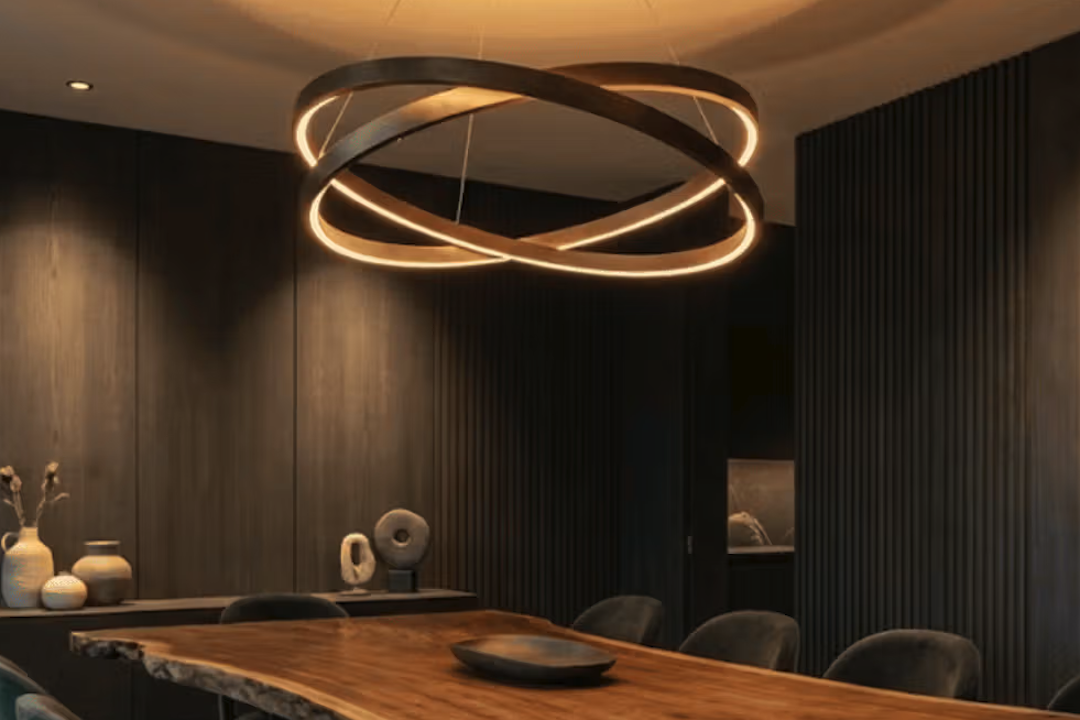
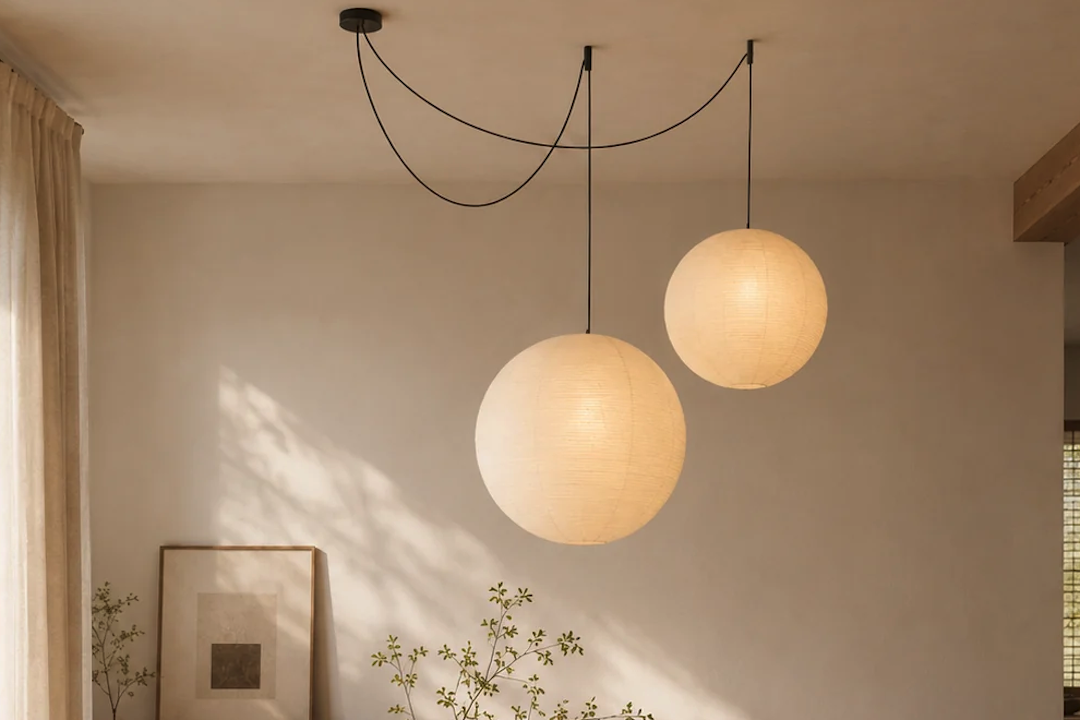
- Pendant Lights: Perhaps the most common and impactful use of oak in lighting. A single statement pendant over a dining table or a cluster in a living room can become an instant focal point. Look for designs that highlight the wood’s grain.
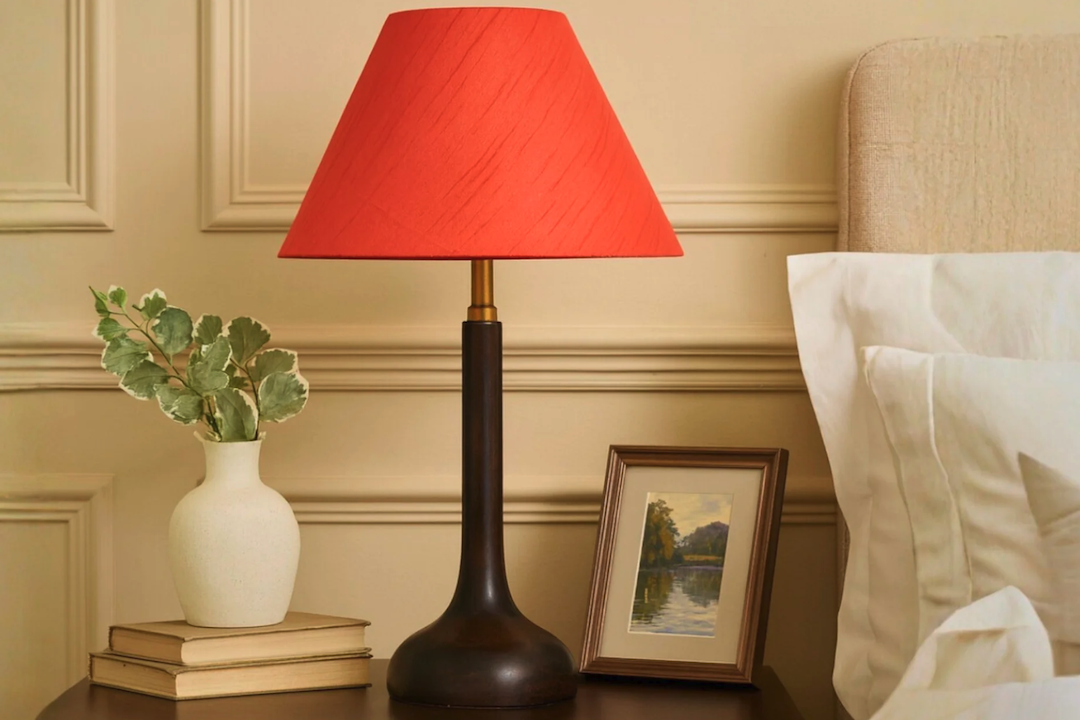
- Table and Floor Lamps: These offer flexible lighting and bring the natural warmth of oak down to eye level. They’re great for creating cozy reading nooks or adding ambient light. Many feature a simple oak base paired with a linen or fabric shade.
- Wall Sconces: Oak wall sconces can provide accent lighting, highlight artwork, or illuminate hallways. They’re often minimalist in design, letting the wood speak for itself.
- Flush Mounts & Semi-Flush Mounts: For lower ceilings, an oak flush mount can provide general illumination while still bringing in that natural element. These often feature simple oak frames or bases.
Design Styles for Oak Lighting
Oak lighting isn’t limited to one specific style. Its adaptability is one of its greatest strengths.
- Scandinavian Minimalist: Clean lines, simple shapes, and unfinished or lightly finished oak. Think geometric forms, exposed bulbs, and a focus on functionality.
- Mid-Century Modern: Oak was a staple of MCM design. Look for fixtures with smooth, sculpted oak elements, often combined with brass or matte black accents.
- Japandi: A blend of Japanese and Scandinavian aesthetics, Japandi oak lighting often features very clean lines, natural forms, and a sense of calm serenity. Think paper shades combined with oak frames.
- Bohemian/Organic Modern: This style embraces natural textures and handmade elements. Oak lighting might feature more rustic finishes, woven elements, or unique, sculptural shapes.
Placement & Impact
Where you place your oak lighting can transform the feel of a room.
- Dining Area Focal Point: A large oak pendant (or a cluster of smaller ones) over a dining table creates an inviting hub for meals and conversation. The warm light bouncing off the wood enhances the dining experience.
- Living Room Ambiance: Combine a central oak pendant with oak floor and table lamps. This layered lighting approach allows you to adjust the mood, from bright general illumination to cozy, intimate settings.
- Bedroom Serenity: Oak bedside table lamps or wall sconces provide a soft, warm glow perfect for winding down. The natural wood contributes to a calming bedroom environment.
- Hallway & Entryway Welcome: A well-placed oak pendant or sconce in an entryway immediately introduces warmth and sets the tone for the rest of your home.
Harmonizing with Other Elements
While oak lighting and pale Scandinavian floors are a strong foundation, other design choices can either amplify or detract from their beauty.
Walls and Textiles
Keeping the surrounding elements in check ensures the core pairing shines.
- Neutral Wall Colors: Whites, off-whites, very light greys, and pale pastels (like soft sage or dusty blue) are your best friends. They continue the bright, airy theme and allow the wood elements to pop without competing.
- Natural Textiles: Think linen, cotton, wool, and jute. These materials mirror the natural, tactile quality of the oak and pale floors. Use them in upholstery, curtains, rugs, and throw blankets. They add comfort and warmth.
Furniture Choices
The furniture you select should complement the organic, light aesthetic.
- Light Woods: Continue the theme with furniture in similar pale woods – birch, ash, light oak – or even bleached finishes. This creates a cohesive, tranquil look.
- Minimalist Designs: Avoid overly ornate or heavy furniture. Clean lines, simple forms, and functional pieces will harmonize perfectly.
- Upholstered Pieces: Incorporate sofas and chairs with light-colored upholstery – creams, greys, soft greens – to add softness and comfort.
Greenery and Art
These are the final touches that breathe life into the space.
- Indoor Plants: Greenery is essential in Scandinavian design. Plants add life, color, and another layer of natural texture. They bridge the gap between the indoors and outdoors.
- Thoughtful Artwork: Opt for art that complements the calm aesthetic. Think abstract pieces with muted tones, nature-inspired prints, or simple line drawings. Avoid overly busy or brightly colored art that could disrupt the serene atmosphere. Framed art with light wood frames ties back to your oak lighting and floors.
Maintenance and Longevity
To keep your perfect pair looking its best, a little care goes a long way.
Floor Care Tips
Pale floors, while beautiful, do show dirt more easily than darker floors.
- Regular Cleaning: A soft broom or vacuum cleaner with a hard floor attachment is your best friend. Mop occasionally with a pH-neutral wood floor cleaner.
- Protect from Scratches: Use felt pads under all furniture. Consider area rugs in high-traffic areas or under dining tables to protect from spills and wear.
- Sun Protection: Direct, prolonged sunlight can lighten or yellow some wood floors unevenly. Consider UV-protective window films or blinds/curtains that can be drawn during peak sun hours.
Lighting Fixture Care
Oak lighting is generally low maintenance, but a few things to keep in mind.
- Dusting: Gently dust the wooden parts of your fixtures regularly with a soft, dry cloth. This prevents dust buildup that can dull the wood’s appearance.
- Avoid Harsh Chemicals: For cleaning, stick to a slightly damp cloth for any marks, then dry immediately. Do not use abrasive cleaners or strong chemical sprays, as they can damage the wood finish.
- Check Electricals: Occasionally, check that bulbs are secure and that there are no loose wires, especially if the fixture has moving parts or is frequently adjusted.
This pairing of oak lighting and pale Scandinavian floors isn’t just a trend; it’s a design philosophy. It’s about creating spaces that are bright, serene, and deeply connected to nature, offering a peaceful retreat in our often-busy lives. By paying attention to the nuances of wood tones, finishes, and complementary elements, you can create a home that feels effortlessly stylish and wonderfully inviting.