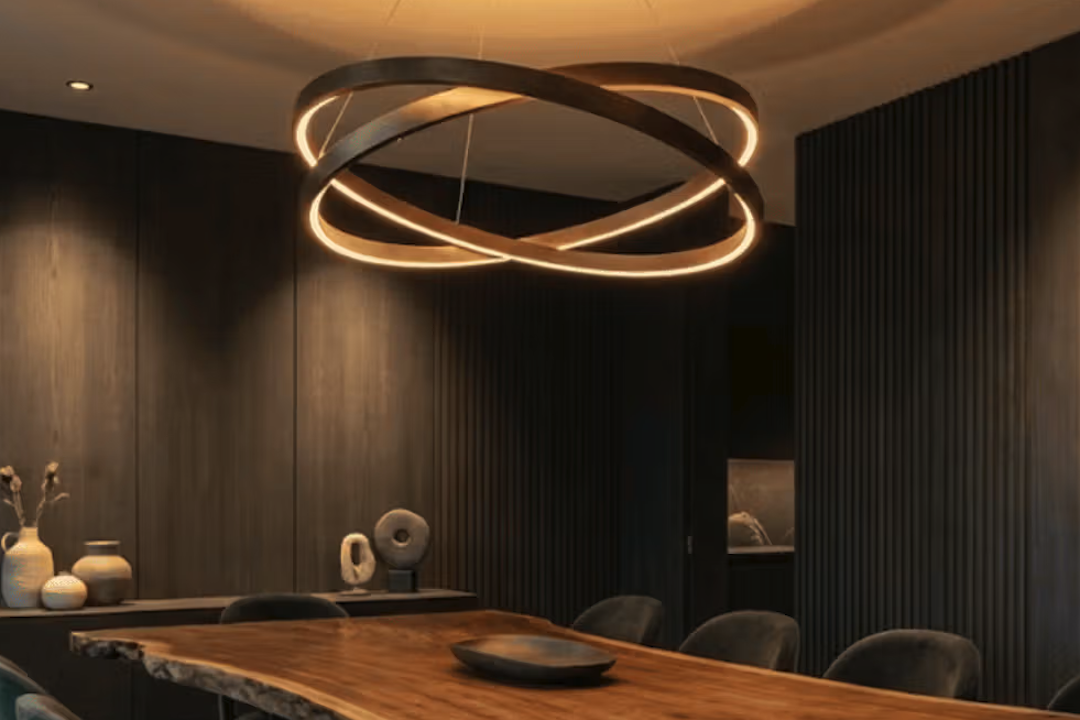
If you’re looking for a stylish and flexible lighting solution without the hassle of wiring, a battery-operated linear suspension light with a travertine stone finish could be exactly what you need. These lights offer a sophisticated aesthetic combined with the convenience of being completely portable, making them ideal for areas where traditional wiring isn’t feasible or desired.
What Makes This Light Special?
This isn’t your average utility light. We’re talking about a piece that blends high-end design with practical, wire-free operation. The key elements here are its linear form, the suspension mounting, its battery power source, and of course, that elegant travertine stone finish.
Linear Design for Modern Spaces
The linear shape is inherently modern and versatile. It provides a broad, even spread of light, which is fantastic for illuminating dining tables, kitchen islands, or even longer hallways. Unlike a single spotlight, a linear fixture ensures more uniform illumination, reducing harsh shadows and creating a more inviting atmosphere. Think of it as a strip of light that elegantly stretches across a space, defining it without overwhelming it. This shape also plays well with minimalist aesthetics, fitting seamlessly into contemporary decor where clean lines are appreciated. It’s a purposeful design choice that offers both form and function.
Suspension for Visual Impact
Suspending a light fixture from the ceiling immediately elevates a space. It draws the eye upward, adding a layer of visual interest and often making a room feel taller. With a linear suspension light, you get this dramatic effect across a wider area. It’s not just about illumination; it’s about creating a focal point, a piece of functional art that hangs in your space. The ability to adjust the suspension height often allows for further customization, letting you fine-tune its position for optimal light and aesthetic balance.
Battery Power: Freedom from Wires
This is where the true convenience kicks in. Battery operation means no electricians, no messy renovations, and no restrictions based on existing electrical outlets. You can hang this light virtually anywhere you have a sturdy ceiling to suspend it from. This is a game-changer for renters, for outdoor covered spaces where wiring is complex, or simply for those who love to rearrange their furniture and lighting without commitment. It offers unparalleled flexibility, allowing you to adapt your lighting as your needs or decor evolve.
The Allure of Travertine Stone
Travertine is a natural stone known for its distinctive porous texture and warm, earthy tones. When used as a finish for a light fixture, it adds an incredible layer of organic elegance. Unlike cold metal or plastic, travertine brings a sense of warmth, sophistication, and timelessness. Each piece of stone has its own unique veining and character, meaning your light fixture will be one-of-a-kind. It’s a material that speaks to quality and craftsmanship, elevating the entire room it inhabits. The interplay of light on the stone’s surface can also be quite beautiful, creating subtle variations and depth.
Practical Benefits in Your Home
Beyond its good looks, this type of light fixture offers a host of practical advantages that can genuinely improve how you use and enjoy your living spaces.
Effortless Installation
Let’s be honest, dealing with electrical wiring can be intimidating and expensive. With a battery-operated suspension light, installation is significantly simplified. Typically, it involves mounting a base plate to the ceiling and then attaching the fixture. No need to worry about live wires, circuit breakers, or hiring an electrician. This DIY-friendly approach saves both time and money, making sophisticated lighting accessible to more people. You can often have it up and running in a fraction of the time it would take to install a hardwired fixture.
Unrestricted Placement Options
The absence of wires means you’re no longer tethered to existing electrical boxes. Want a pendant over your dining table but the junction box is off-center? No problem. Need extra light in a reading nook far from an outlet? Done. Considering lighting a covered patio or pergola where running outdoor electrical lines is a huge project? This light is a perfect fit. This freedom allows for creative lighting design that was previously difficult or impossible to achieve without significant renovation. It empowers you to put light exactly where you need it most, enhancing functionality and ambiance.
Enhanced Ambiance and Mood
Lighting plays a crucial role in setting the mood of a room. The warm glow often associated with these fixtures, especially when paired with the natural tones of travertine, can create an incredibly inviting and cozy atmosphere. Unlike harsh overhead lighting, a well-placed suspension light can provide targeted illumination that highlights specific areas, making them feel more intimate and comfortable. Whether you’re dining, reading, or simply relaxing, the right light can transform the experience. The dimmable features often included in such fixtures further enhance your ability to control the mood, from bright task lighting to a soft, warm glow.
Portability and Flexibility
While it’s suspended, the battery operation inherently makes this fixture more portable in the long run. If you move, you can easily take it with you. If you reconfigure a room and decide the light would work better elsewhere, relocating it is much simpler than rewiring. This flexibility is a significant advantage in modern living, where homes and needs are constantly evolving. It’s an investment that can adapt to your changing lifestyle and decor preferences.
Powering Your Light: Battery Technology
Understanding how these lights are powered is key to appreciating their convenience and making an informed choice. It’s not just about sticking in a few AA batteries.
Rechargeable Batteries
Most quality battery-operated linear suspension lights utilize rechargeable lithium-ion batteries. These are the same type of batteries found in your smartphones and laptops, chosen for their excellent power density, relatively long life cycle, and ability to be recharged many times. This means you won’t be constantly buying disposable batteries, which is both more economical and environmentally friendly. The capacity of these batteries, measured in milliampere-hours (mAh), will directly influence how long the light can run on a single charge. Higher mAh generally means longer runtime.
Charging Methods
Typically, these lights come with a dedicated charging cable, often a USB-C or proprietary magnetic connector. The fixture itself will have a discreet charging port. When the battery runs low, you simply plug it in, much like charging a phone. Some advanced models might even offer wireless charging capabilities, though this is less common for larger fixtures. The charging time will vary depending on the battery capacity and the charger’s output, but generally, a full charge can take a few hours.
Runtime and Brightness Considerations
This is often the first question people ask. The runtime of the light depends on several factors: the battery capacity, the brightness setting you use, and the type of LED bulbs. Running the light at its maximum brightness will, naturally, drain the battery faster than using it at a lower setting. Manufacturers usually provide estimated runtimes at different brightness levels, for example, “8 hours at 100% brightness, 20 hours at 50% brightness.” It’s important to consider your typical usage patterns. If you need it on for short bursts in the evening, a moderate battery might suffice. If you plan to use it as primary lighting for several hours daily, you’ll want a model with a larger battery capacity and efficient LEDs.
Battery Lifespan and Replacement
Like all rechargeable batteries, those in your light fixture will degrade over time, meaning they’ll hold less charge after hundreds of cycles. The lifespan can vary, but generally, you can expect several years of good performance. Some manufacturers design their fixtures with easily replaceable battery packs, extending the life of the entire unit. Others might require professional servicing for battery replacement. It’s a good point to check when making a purchase if longevity and serviceability are important to you.
Choosing the Right Fixture for You
With the growing popularity of these lights, there’s a range of options available. Knowing what to look for will help you pick the perfect one.
Size and Scale
Consider the dimensions of the space where the light will hang and the size of any furniture it will illuminate. A long linear fixture over a small breakfast nook might look disproportionate, while a too-short one over a grand dining table could appear lost. Measure your space and compare it to the fixture’s specifications (length, width, height, and suspension length). Visualizing it with painter’s tape on the ceiling can be a simple way to get a feel for its scale. The goal is to find a balance where the light complements the space without overwhelming or being overshadowed.
Travertine Shade and Texture
Travertine isn’t just one look. It comes in various shades, from creamy beige and ivory to warmer tans and even reddish tones. The finish can also vary from polished and smooth to honed or unfilled, which highlights its natural porosity. Think about your existing decor – does it lean warm or cool? Do you prefer a more rustic, textured look or something smoother and refined? Requesting samples or looking at high-quality product images that accurately depict the stone’s variations can be very helpful. Remember that natural stone will have variations, which is part of its charm.
Brightness and Dimmability
Lumens indicate the brightness of a light. For ambient lighting, you might need fewer lumens than for task lighting. Most modern battery-operated linear lights come with integrated LED modules, and many offer dimmable functionality. Dimmability is a significant feature as it allows you to adjust the light output to suit different activities and moods. Look for fixtures with smooth dimming capabilities, ideally controlled via a remote or a touch sensor on the fixture itself. Consider if the light offers different color temperatures (warm white to cool white) as well, which adds another layer of versatility.
Suspension Mechanism and Adjustability
How the light hangs is important both aesthetically and practically. Check the suspension mechanism – are there simple cables, rigid rods, or chains? Ensure it feels sturdy and secure. Most suspension lights offer adjustable height, allowing you to position the fixture at the ideal distance from the surface below. Easy adjustment mechanisms are a plus, especially if you anticipate wanting to change the height occasionally. Some designs might also allow for slight angling, which can be useful in certain architectural contexts.
Control Options
How will you turn the light on/off and adjust its settings? Common control options include:
- Integrated Touch Controls: Buttons or touch-sensitive areas directly on the fixture.
- Remote Control: A dedicated remote offers convenience, especially for lights hung high.
- Smart App Control: Some advanced models can connect to your smartphone via Bluetooth or Wi-Fi, offering more granular control over brightness, color temperature, and even scheduling.
Consider which method best suits your lifestyle and how you intend to interact with the light.
Maintenance and Care
Keeping your travertine light looking its best doesn’t require much, but a little attention goes a long way.
Cleaning the Travertine
Travertine is a natural stone, so it requires gentle care. For everyday dusting, a soft, dry microfiber cloth is usually sufficient. If there are smudges or light dirt, dampen the cloth with plain water and wipe gently. Avoid harsh chemical cleaners, abrasive scrubbers, or acidic solutions (like vinegar or lemon juice), as these can damage the stone’s surface and sealant. If your travertine has an unfilled, porous finish, be extra careful with spills, as liquids can absorb and stain. Promptly wipe up any spills.
Battery Care
To maximize the lifespan of your rechargeable battery, try not to let it completely drain to 0% too often. It’s generally better to recharge it when it’s low (e.g., 20-30% remaining) rather than waiting until it’s completely dead. Also, avoid leaving the light plugged in and charging indefinitely once it’s full, as this can sometimes stress the battery. If you plan to store the light for an extended period, charge the battery to around 50-60% before storing it in a cool, dry place.
General Fixture Upkeep
Periodically check the suspension cables or rods to ensure they are secure and free from any fraying or damage. If the light uses external LED bulbs (though most modern ones have integrated LEDs), ensure they are clean and free of dust for optimal light output. For the metal or other components of the fixture, a simple wipe-down with a soft, dry cloth is usually all that’s needed. Always refer to the manufacturer’s specific care instructions, as they will provide the most accurate guidance for your particular model.