
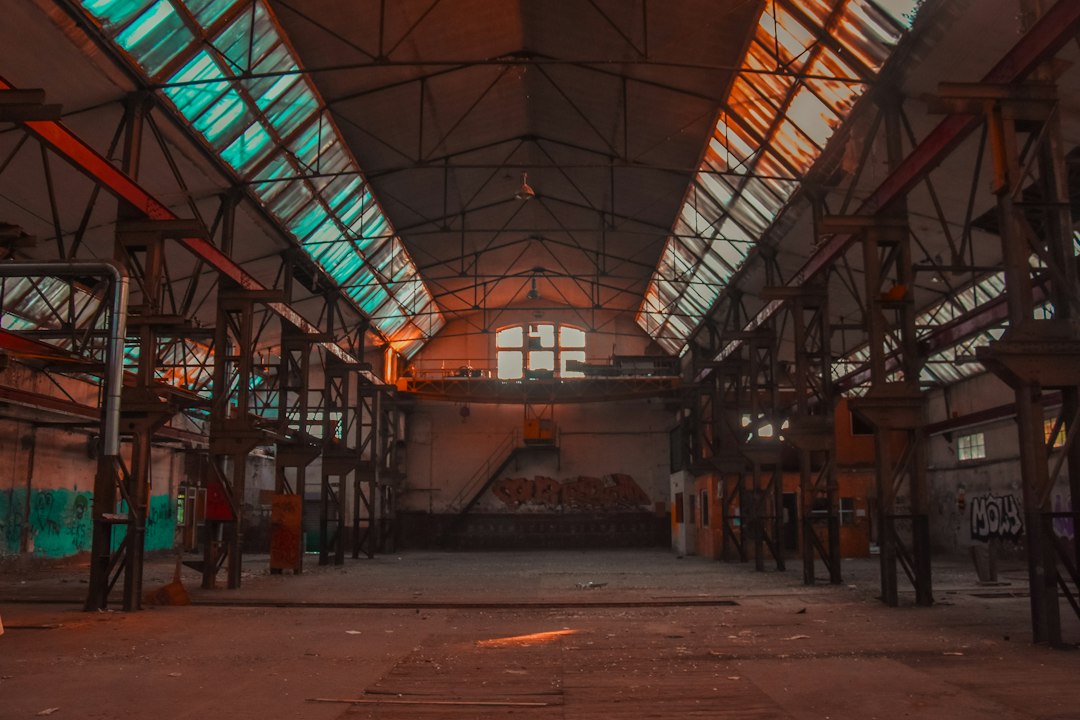
When you’re looking to upgrade or install new lighting in a warehouse, the best choice boils down to a balance of LED technology, intelligent controls, and careful consideration of your specific operational needs. It’s not just about brightness; it’s about creating an environment that supports efficient work and keeps everyone safe, all while keeping energy bills in check. Let’s dig into the details to help you make informed decisions.
Understanding Your Warehouse Environment
Before you even think about light fixtures, take a good look at your warehouse. Every facility is unique, and what works perfectly in one might be completely unsuitable for another. This initial assessment is crucial for tailoring your lighting solution effectively.
Ceiling Height and Layout
The height of your ceilings significantly impacts the type of fixtures you’ll need. High ceilings (typically over 20 feet) require high-bay lights designed to project light effectively over a large area. Lower ceilings might be better served by linear fluorescent replacements or lower-output LED fixtures. Think about the physical layout too – are there tall shelving units, open spaces, or a mix? This influences light distribution.
Type of Work Performed
What do your employees actually do in each area? Picking small items requires different illumination than operating a forklift in an open aisle. Task-specific lighting can dramatically improve productivity and reduce errors. Consider areas like shipping and receiving, packing stations, assembly lines, and office spaces within the warehouse.
Existing Lighting and Infrastructure
Are you retrofitting an old system or designing for a new build? If it’s a retrofit, what kind of power infrastructure is already in place? Understanding the existing electrical capacity and wiring can help you plan for a smooth transition and identify potential challenges or costs associated with upgrades.
Ambient Temperature and Environmental Conditions
Warehouses can have varied temperatures, from refrigerated sections to areas that get quite warm. Dust, moisture, and even corrosive materials can also be present. Your lighting fixtures need to be rated for these conditions to ensure longevity and safety. Look for IP (Ingress Protection) ratings appropriate for your environment.
The Power of LED Lighting
If you’re still using old fluorescent, HID, or incandescent bulbs, switching to LEDs is practically a no-brainer. They’ve become the industry standard for a good reason, offering a slew of benefits that directly impact efficiency and safety.
Energy Efficiency and Cost Savings
This is where LEDs really shine. They consume significantly less energy than traditional lighting sources – often 50-70% less, sometimes even more. This translates directly into lower electricity bills, a substantial operational saving over the lifetime of the fixtures. Plus, many energy companies offer rebates for LED upgrades, further sweetening the deal.
Longer Lifespan and Reduced Maintenance
LEDs last a lot longer. We’re talking tens of thousands of hours, often 50,000 to 100,000 hours or more. This dramatically reduces the frequency of bulb replacements, which is a huge benefit in a warehouse setting where changing bulbs often requires lifts or specialized equipment, leading to downtime and labor costs. Fewer replacements mean less maintenance hassle and a safer environment as workers spend less time on ladders.
Improved Light Quality and Uniformity
LEDs provide consistent, flicker-free light. They also offer a wider range of color temperatures, allowing you to choose warmer light for break areas or cooler, more stimulating light for active work zones. Good uniformity – even light distribution across an area – reduces shadows and eye strain, making the workspace safer and more comfortable.
Instant On/Off and Dimming Capabilities
Unlike some traditional lights (like HIDs) that require a warm-up period, LEDs turn on instantly to full brightness. This is critical for safety and convenience. They’re also easily dimmable, which, when combined with controls, opens up a world of energy-saving possibilities.
Durability and Environmental Benefits
LEDs are solid-state lighting, meaning they don’t have fragile filaments or glass envelopes. This makes them more resistant to vibrations and impacts, ideal for a busy warehouse. They also don’t contain mercury or other hazardous materials, making disposal safer and more environmentally friendly.
Key Lighting Metrics and Considerations
Understanding a few technical terms will help you compare different lighting options and ensure you’re getting what your warehouse truly needs.
Lumens and Lux: Measuring Brightness
Lumens measure the total amount of visible light emitted by a source. Lux, on the other hand, measures illuminance – how much light falls on a given surface area. For warehouse lighting, you’ll often see recommendations in lux (or foot-candles in the US) for different areas. For example, general aisles might need 150-200 lux, while detailed task areas might require 300-500 lux or more. It’s not just about the fixture’s lumens; it’s about how those lumens are distributed on your work surfaces.
Color Temperature (CCT)
Color Correlated Temperature (CCT) is measured in Kelvins (K) and describes how warm or cool the light appears.
- Warm white (2700K-3000K): Often used in homes or hospitality; less common for general warehouse areas.
- Neutral white (3500K-4000K): A good balance, creating a comfortable yet functional environment. Suitable for general warehouse areas.
- Cool white/daylight (5000K-6500K): Mimics natural daylight, increasing alertness and visual acuity. Often preferred for high-activity areas, detailed work, and safety-critical zones in warehouses.
For most warehouse applications, a CCT between 4000K and 5000K is a practical choice, offering good visibility without being overly harsh.
Color Rendering Index (CRI)
CRI measures how accurately a light source reveals the true colors of objects compared to natural light. A CRI of 100 is perfect natural light. For most warehouses, a CRI of 70-80 is acceptable. However, if your operations involve distinguishing between subtle color variations (e.g., sorting different colored wires or products), a higher CRI (85+) will be beneficial for accuracy and error reduction.
Beam Angle and Distribution
The beam angle describes how widely the light spreads from the fixture. Different beam angles are suitable for different applications:
- Narrow beams: Good for high ceilings or spotlighting specific areas.
- Wide beams: Best for general illumination in open areas or lower ceilings.
Proper light distribution ensures uniformity and minimizes harsh shadows, which can be a safety hazard. Your fixture choice should align with the height and layout to achieve optimal spread.
Glare Control
Excessive glare can cause discomfort, eye strain, and even temporary blindness, significantly compromising safety. Look for fixtures designed with features like diffusers, reflectors, or lenses that help mitigate glare, especially in areas where workers might be looking up frequently.
Implementing Smart Lighting Controls
Simply installing LEDs is a great start, but to truly maximize efficiency and safety, integrate smart lighting controls. These systems allow your lighting to adapt to real-time conditions.
Occupancy and Vacancy Sensors
These sensors detect when people are present or absent in an area.
- Occupancy sensors: Turn lights on when movement is detected and off after a set period of inactivity. Ideal for low-traffic areas like storage rooms, rarely used aisles, or restrooms within the warehouse.
- Vacancy sensors: Require manual activation (e.g., a switch) but turn lights off automatically after inactivity. Good for areas where you want more control over when lights come on but still want automatic turn-off for energy savings.
Both types drastically reduce wasted energy by ensuring lights are only on when needed.
Daylight Harvesting
This system uses light sensors to measure the amount of natural daylight entering the warehouse. It then automatically dims or brightens artificial lights to maintain a consistent overall light level. This is incredibly effective in warehouses with skylights or large windows, allowing you to maximize free natural light and save energy.
Scheduling and Time-Based Controls
You can program your lighting system to follow a schedule based on operational hours. For example, lights in certain zones can automatically dim or turn off during lunch breaks, after closing hours, or on weekends. This provides a baseline level of energy savings regardless of real-time conditions.
Zoned Lighting
Divide your warehouse into different lighting zones based on activity levels and requirements. For instance, the main thoroughfares might stay brighter during operating hours, while less active storage areas can be dimmed or controlled by occupancy sensors. This granular control allows for tailored illumination and optimizes energy use.
Integration with Building Management Systems (BMS)
For larger facilities, integrating your lighting controls with a broader Building Management System (BMS) can unlock even greater efficiencies. A BMS can coordinate lighting with HVAC, security, and other systems, creating a holistic approach to energy management and operational oversight.
Planning and Installation Best Practices
A great lighting system is only as good as its design and installation. Don’t cut corners here; proper planning is key to realizing all the benefits.
Conduct a Lighting Audit
Before making any decisions, get a clear picture of your current lighting.
- Measure existing light levels: Use a light meter to determine current lux levels in different areas.
- Assess energy consumption: Calculate how much energy your current lighting uses.
- Identify problem areas: Look for dark spots, excessive glare, or areas with inconsistent lighting.
- Note existing fixture types and conditions: This helps in planning the transition.
A professional lighting audit can provide invaluable data for designing your new system.
Work with Experienced Lighting Designers
Designing warehouse lighting isn’t just about sticking fixtures on the ceiling. Experienced lighting designers understand light distribution, glare control, and how to meet specific lux requirements. They use specialized software to create lighting layouts that optimize performance and energy efficiency for your unique space. They can help you avoid common pitfalls and ensure your investment pays off.
Consider Mounting Heights and Spacing
Incorrect mounting heights or fixture spacing can lead to uneven light, dark spots, or excessive overlap, wasting energy. The design should specify precise mounting heights and a layout that ensures uniform illumination across all work surfaces and aisles, based on the fixture’s beam angle and lumen output.
Ensure Proper Wiring and Electrical Capacity
Upgrading to LEDs might require changes to your electrical wiring, especially if you’re replacing very old systems. Ensure your electrical infrastructure can handle the new load, even though LEDs typically draw less power. Consult with a qualified electrician to guarantee safe and compliant installation.
Prioritize Safety During Installation
Installing overhead lighting, especially in high-bay settings, can be dangerous. Always adhere to safety protocols, use appropriate lifting equipment, and ensure all workers are properly trained and certified for the task. Downtime during installation should also be carefully planned to minimize disruption to operations.
Factor in Future Needs and Scalability
While planning for today, consider what your warehouse might look like in 5-10 years. Will you expand? Change the layout? Choose a lighting system that offers some degree of flexibility and scalability, allowing you to adapt to future changes without a complete overhaul.