Wabi-sabi is a Japanese aesthetic philosophy that finds beauty in imperfection, impermanence, and natural processes. Originating from Zen Buddhist principles, this concept emphasizes acceptance of the transient nature of existence and the inherent value of flawed or incomplete objects. The term combines two distinct elements: “wabi,” which describes rustic simplicity and understated elegance, and “sabi,” which refers to the patina and character that develop through age and use.
This philosophy influences various aspects of Japanese culture, including art, architecture, design, and daily practices. The wabi-sabi aesthetic contrasts with contemporary preferences for mass-produced, uniform products. It promotes attention to subtle details and variations that distinguish individual objects from standardized items.
This approach encourages present-moment awareness and recognition of beauty in commonplace experiences. Practitioners of wabi-sabi principles often develop increased sensitivity to their immediate environment and express appreciation for ordinary, frequently overlooked aspects of daily life.
The Beauty of Imperfection
The beauty of imperfection is a central tenet of wabi-sabi, challenging conventional notions of aesthetics that prioritize flawlessness and symmetry. In this philosophy, imperfections are not seen as defects but rather as characteristics that tell a story. For instance, a handmade ceramic bowl with an uneven rim or subtle glaze variations embodies the artisan’s touch and the unique process of its creation.
Each imperfection adds depth and character, transforming the object into a vessel of history and emotion. This appreciation for imperfection extends beyond physical objects; it also applies to our lives and relationships. Embracing our flaws and vulnerabilities can lead to greater authenticity and connection with others.
In a society that often promotes an idealized image of success and beauty, wabi-sabi encourages us to accept ourselves as we are, imperfections included. This shift in perspective can foster resilience and self-compassion, allowing us to navigate life’s challenges with grace and acceptance.
Embracing Nature in Design
Nature plays a pivotal role in wabi-sabi design, reflecting the philosophy’s deep-rooted connection to the natural world. This approach emphasizes organic materials, earthy colors, and textures that evoke a sense of harmony with the environment. Natural elements such as wood, stone, and clay are often favored for their inherent imperfections and unique characteristics.
For example, a wooden table with knots and grain variations tells a story of its growth and transformation over time, inviting us to appreciate its journey. Incorporating natural elements into design not only enhances aesthetic appeal but also promotes well-being. Studies have shown that exposure to nature can reduce stress levels and improve mental health.
By bringing the outdoors inside through plants, natural light, and organic materials, we create spaces that resonate with tranquility and balance. Wabi-sabi encourages us to create environments that reflect the beauty of nature’s cycles, celebrating the changing seasons and the passage of time.
The History of Straw Hat Chandeliers
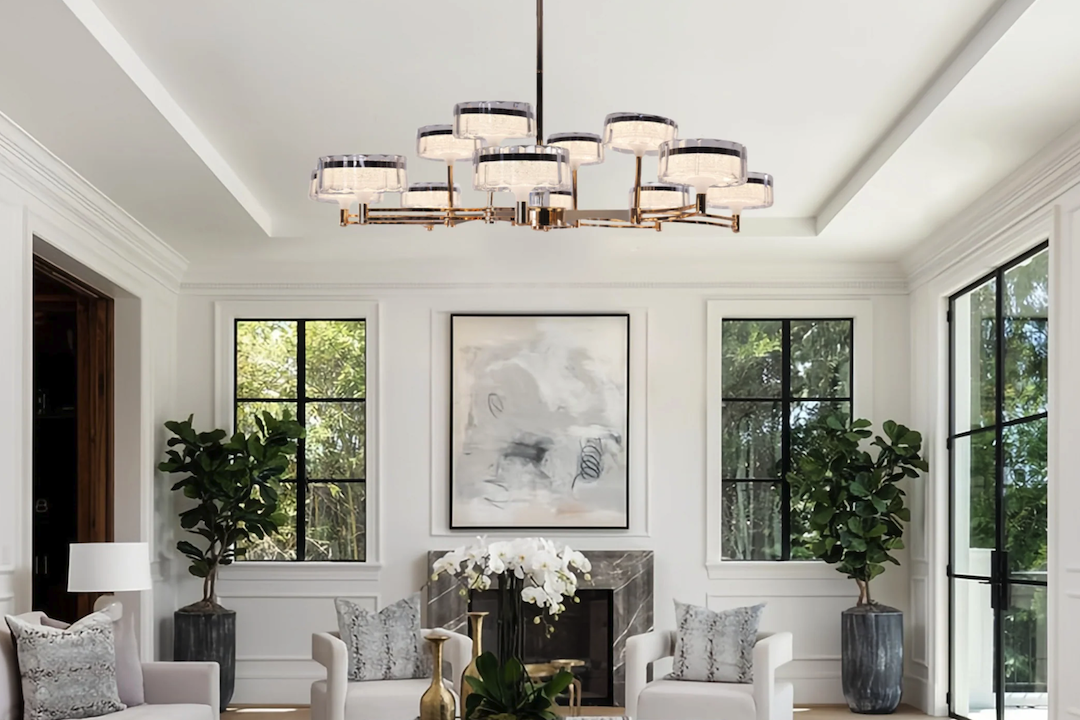
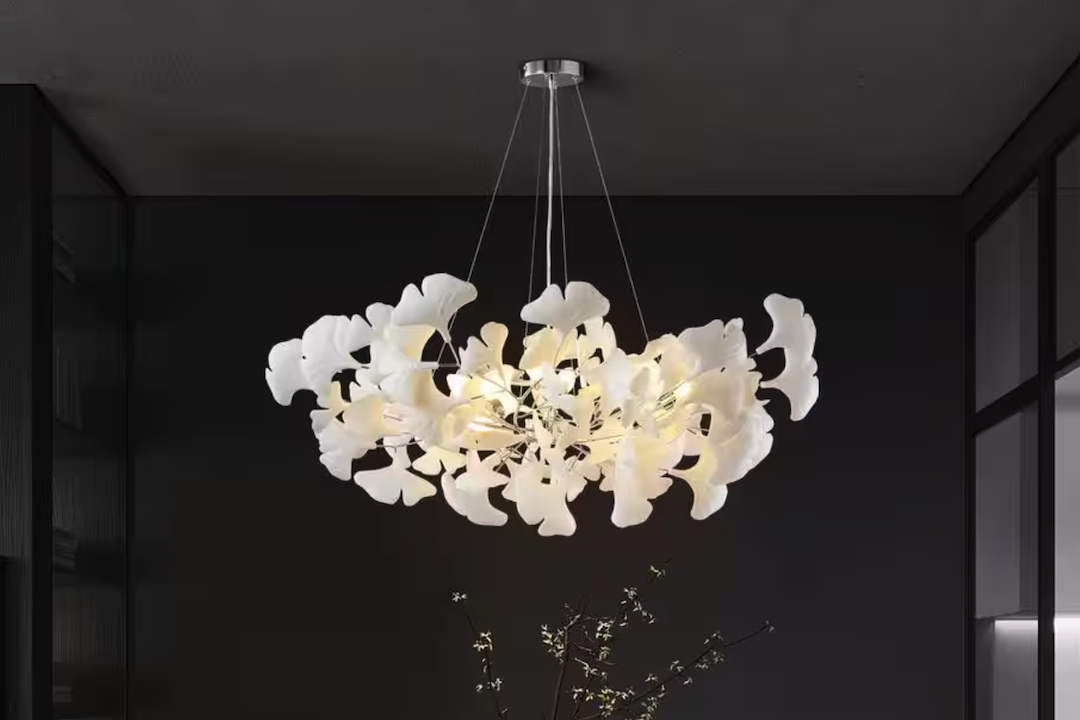
Straw hat chandeliers are a fascinating example of how wabi-sabi principles can be applied to lighting design. Originating in rural Japan, these unique fixtures were traditionally crafted from straw or rice stalks, materials readily available in agricultural communities. The chandeliers were often handmade by local artisans who infused their creations with personal touches, resulting in one-of-a-kind pieces that reflected the natural imperfections of their materials.
Historically, straw hat chandeliers served both functional and aesthetic purposes. They provided illumination in homes while also acting as decorative elements that showcased the craftsmanship of their makers. Over time, these chandeliers evolved into symbols of rustic elegance, embodying the wabi-sabi ethos by celebrating simplicity and authenticity.
Today, they are sought after for their ability to add warmth and character to modern interiors while honoring traditional craftsmanship.
How to Incorporate Wabi-Sabi into Your Home
Incorporating wabi-sabi into your home involves embracing simplicity, authenticity, and natural materials. Start by decluttering your space; remove items that do not bring you joy or serve a purpose. This process allows you to create an environment that feels open and inviting, where each object has significance.
Consider investing in handmade or vintage pieces that showcase imperfections—these items often carry stories and histories that resonate with the wabi-sabi philosophy. Another way to infuse wabi-sabi into your home is through color palettes inspired by nature. Earthy tones such as muted greens, browns, and soft grays evoke a sense of calm and connection to the environment.
Textures also play a crucial role; incorporate materials like linen, wool, or unglazed ceramics to add depth and warmth to your space. Finally, allow for natural light to flow freely throughout your home; this not only enhances the aesthetic but also fosters a sense of tranquility and well-being.
DIY Straw Hat Chandelier: A Step-by-Step Guide
Creating your own straw hat chandelier is an excellent way to embrace wabi-sabi principles while adding a unique touch to your home decor. Begin by gathering materials: you will need straw or dried grass (which can be sourced from craft stores or local farms), a sturdy frame (such as an old lampshade or wire frame), twine or string for binding, and a light fixture kit. Start by cutting the straw into uniform lengths; this will ensure a cohesive look while still allowing for natural variations in texture.
Next, attach the straw pieces to your frame using twine or string, securing them tightly but allowing for some movement—this will create an organic feel reminiscent of traditional straw hat chandeliers. As you work, consider layering different lengths of straw for added visual interest. Once you have completed the structure of your chandelier, install the light fixture kit according to the manufacturer’s instructions.
Choose warm-toned bulbs to enhance the cozy ambiance created by your chandelier. Finally, hang your creation in a prominent space where it can be admired; this handmade piece will not only illuminate your home but also serve as a testament to your creativity and appreciation for imperfection.
Finding Balance and Harmony in Wabi-Sabi Design
Finding balance and harmony is essential in wabi-sabi design, as it reflects the interconnectedness of all elements within a space. This philosophy encourages us to create environments that feel cohesive yet dynamic, where each piece contributes to an overall sense of tranquility. To achieve this balance, consider the principles of proportion and scale; ensure that furniture and decor are appropriately sized for your space, allowing for ease of movement and flow.
Incorporating negative space is another vital aspect of achieving harmony in wabi-sabi design. By intentionally leaving areas free from clutter or decoration, you create breathing room within your environment. This negative space allows individual pieces to stand out while fostering a sense of calmness.
Additionally, consider how light interacts with your space; natural light can enhance textures and colors while creating shadows that add depth and interest.
Embracing Simplicity and Tranquility with Wabi-Sabi
Embracing simplicity and tranquility is at the heart of wabi-sabi living. This philosophy encourages us to strip away excess and focus on what truly matters—our relationships, experiences, and connection to nature. By simplifying our surroundings, we create spaces that promote relaxation and mindfulness.
This can be achieved through minimalistic design choices that prioritize functionality without sacrificing beauty. Incorporating elements such as soft textiles, natural materials, and calming color palettes can further enhance tranquility within your home. Create cozy nooks for reading or meditation where you can retreat from the chaos of daily life.
Surround yourself with objects that evoke positive memories or emotions; these personal touches will infuse your space with warmth and meaning. Ultimately, embracing simplicity through wabi-sabi allows us to cultivate a lifestyle rooted in appreciation for the present moment—a powerful antidote to the fast-paced world we inhabit today.