This article explores the characteristics, applications, and considerations associated with solid wood linear suspension lighting. It aims to provide a comprehensive overview for individuals considering this type of fixture for their residential or commercial spaces.
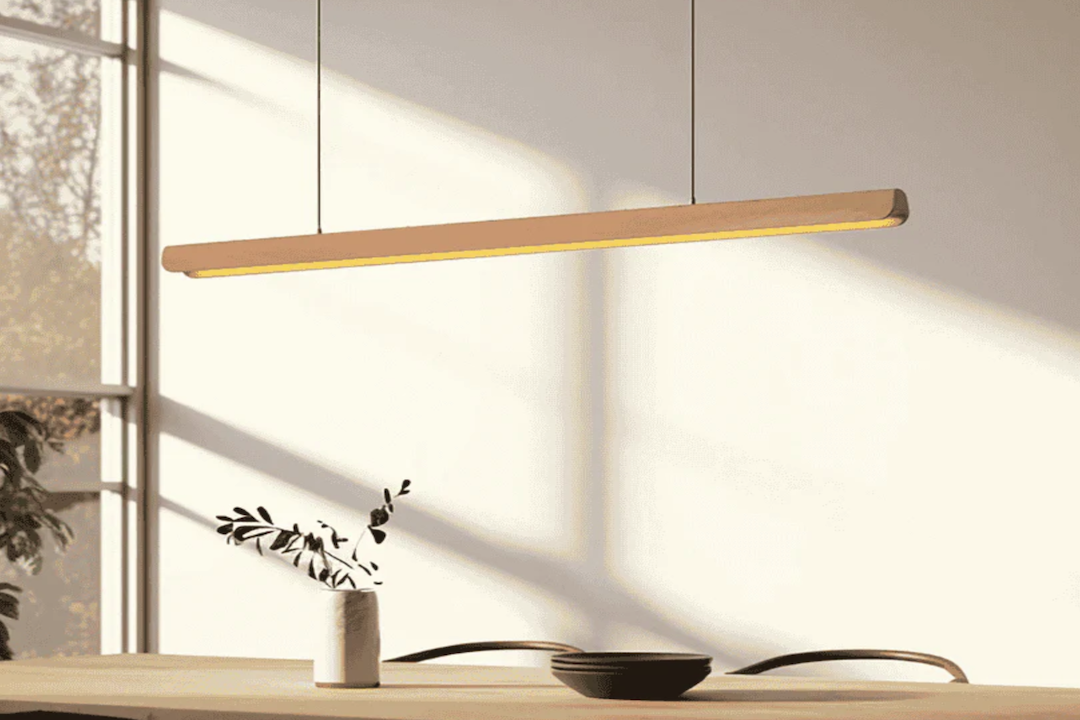
Solid wood linear suspension lighting fixtures are characterized by their elongated form and the prominent use of natural timber as their primary material. This combination results in a distinct aesthetic and functional profile.
Materiality and Aesthetics
The choice of solid wood significantly influences the fixture’s appearance and how it interacts with its environment. Different wood species offer unique grain patterns, colors, and textures, contributing to a diverse range of visual outcomes.
Wood Species and Finishes
Commonly employed wood species include oak, walnut, maple, and cherry. Each possesses inherent qualities. Oak, for instance, is known for its prominent grain and durability. Walnut offers a darker tone and a finer grain. Maple provides a lighter, more uniform appearance, while cherry develops a rich patina over time. The finish applied to the wood further modulates its aesthetic. Clear lacquers protect the wood while highlighting Vanhouzen its natural grain, while stains can alter its color to harmonize with existing decor. Matte finishes reduce reflectivity, contributing to a softer visual presence, whereas gloss finishes can enhance the wood’s inherent sheen.
Form and Proportions
Linear suspension fixtures are defined by their extended length, which can range from under a meter to several meters. This elongated form acts as a visual anchor in a space, often drawing the eye along its axis. The cross-sectional profile of the fixture can also vary, from slender and minimalist to more substantial and sculptural. These proportions dictate the fixture’s visual weight and its capacity to either blend into or stand out from its surroundings.
Integration of Light Sources
The methods of integrating light sources within solid wood linear suspension fixtures are diverse. Recessed LED strips are a prevalent solution, providing a continuous, diffused light output. Discrete LED modules are also employed, offering more directional light. The light source itself, whether integrated or replaceable, influences the quality and intensity of illumination. Color temperature, measured in Kelvin (K), is a crucial consideration, with warmer temperatures (e.g., 2700K-3000K) often used for residential settings to create a cozier atmosphere, and cooler temperatures (e.g., 4000K-5000K) more suitable for task-oriented environments.
Durability and Maintenance
Solid wood, when properly treated and maintained, offers inherent durability. It is a material that can withstand significant use over time, making it a sustainable choice.
Longevity and Patina
Unlike some synthetic materials, solid wood acquires a unique patina with age. This handleChange results from exposure to light, air, and human contact, lending the fixture a sense of history and character. While minor surface imperfections may appear over time, these are often seen as enhancements rather than defects, contributing to the material’s natural appeal.
Care and Cleaning
Regular cleaning is generally straightforward, involving dusting with a soft cloth. Avoid abrasive cleaners or excessive moisture, which can damage the wood’s finish. For specific issues, such as minor scratches or spills, consult the manufacturer’s care instructions or a professional woodworker. Proper maintenance ensures the longevity and continued aesthetic appeal of the fixture.
Applications in Interior Design
Solid wood linear suspension lighting is a versatile element in interior design, capable of fulfilling various functional and aesthetic roles within a space.
Over Dining Tables and Kitchen Islands
One of the most common applications for linear suspension lighting is above dining tables and kitchen islands. The elongated form of these fixtures effectively illuminates the entire surface, providing ample light for meals, food preparation, or social gatherings.
Task Illumination
Above a dining table, the fixture ensures even light distribution across the table surface, minimizing shadows and enhancing visibility for diners. Similarly, over a kitchen island, it functions as primary task lighting, illuminating choPing surfaces, cooking areas, and other work zones. The linear form ensures that the light spreads across the whole activity area.
Aesthetic Definition
Beyond its functional role, the fixture serves as a focal point, helping to define the dining or kitchen island area within an open-plan layout. It acts as a visual bridge, connecting the two elements and reinforcing their spatial relationship.
In Commercial and Hospitality Settings
In commercial environments, such as retail spaces, offices, or restaurants, solid wood linear suspension lighting fixtures contribute to the establishment of a specific atmosphere and brand identity.
Brand Reinforcement
The choice of wood species and finish can align with a brand’s aesthetic. A sleek walnut fixture might suit a contemporary boutique, while a rustic oak piece could complement a farm-to-table restaurant. The fixture becomes an extension of the brand narrative, communicating its values and style.
Ambiance Creation
In restaurants or cafes, warm-toned wood fixtures can contribute to a cozy and inviting ambiance. In offices, a more neutral finish might be chosen to foster a professional yet approachable environment. The selection of light temperature also plays a critical role in shaping the mood of the space.
As Architectural Elements
Solid wood linear suspension lighting can transcend its role as a mere light source, becoming an integral architectural element that shapes the perception of a space.
Guiding Lines and Spatial Segmentation
When positioned strategically, a linear fixture can act as a guiding line, directing the eye along a corridor or defining the boundaries of a circulation path. In large, open-plan spaces, it can passively segment different functional zones without the need for physical barriers. For instance, a long fixture above a seating area can subtly delineate it from an adjacent workstation area.
Visual Interest and Sculpture
Some designs incorporate sculptural aspects, turning the fixture into a piece of art that generates visual interest. The interplay of natural wood grain, light, and shadow can create a dynamic focal point, transforming an otherwise utilitarian object into an aesthetic statement. The simplicity of a straight line, when rendered in a tactile material like wood, acquires an understated elegance.
Energy Efficiency and Light Quality
Modern solid wood linear suspension lighting fixtures increasingly prioritize energy efficiency and high-quality illumination. These aspects are critical for both environmental responsibility and user comfort.
LED Integration
The widespread adoption of LED technology has significantly improved the energy efficiency of lighting fixtures. LEDs consume less power and have a considerably longer lifespan compared to traditional incandescent or fluorescent bulbs.
Lumens per Watt
A key metric for energy efficiency is lumens per watt, which indicates the light output per unit of power consumed. High-quality LED modules offer a superior lumen output per watt, translating into lower electricity bills and reduced environmental impact.
Dimmability and Control
Many LED-integrated fixtures offer dimming capabilities, allowing users to adjust the light intensity to suit different activities and moods. Advanced control systems can also enable programming of light scenes, color temperature adjustments (tunable white), and integration with smart home automation systems for enhanced user experience and energy management.
Color Rendering Index (CRI)
The Color Rendering Index (CRI) is a measure of how accurately a light source renders the colors of objects compared to natural daylight. A high CRI is important for accurate color perception.
Importance in Specific Applications
In kitchens, a high CRI (typically 90 or above) ensures that food colors appear natural and appealing. In retail environments, it is crucial for presenting merchandise accurately. For general living spaces, a high CRI contributes to a more vibrant and realistic depiction of furnishings, artwork, and human complexions. Low CRI can make colors appear dull or distorted.
Impact on Visual Comfort
Beyond accuracy, a high CRI contributes to overall visual comfort. When colors are rendered truthfully, the visual system experiences less strain, leading to a more pleasant and less fatiguing environment.
Installation and Mounting Considerations
Proper installation is paramount for the safety, stability, and optimal performance of solid wood linear suspension lighting. Several factors need to be addressed before and during the installation process.
Ceiling Structure and Support
The weight of solid wood fixtures can be considerable, necessitating a robust ceiling structure capable of providing adequate support.
Joist Location and Reinforcement
Locating ceiling joists is crucial for secure mounting. In some instances, additional blocking or reinforcement may be required to adequately support heavier fixtures, especially those of significant length. Consult with a structural engineer if there are any doubts about the ceiling’s load-bearing capacity.
Electrical Wiring Pathways
The path for electrical wiring needs to be carefully considered. It should be concealed within the ceiling or wall to maintain a clean aesthetic and comply with electrical codes. Ensure that the junction box location aligns with the intended placement of the fixture.
Suspension Mechanisms
Various suspension mechanisms are employed, each offering different aesthetic and functional characteristics.
Cable and Rod Suspensions
Common methods include steel cables or rigid rods. Cable suspensions offer a lighter visual footprint, appearing to “float” the fixture. Rod suspensions provide a more structured and architectural look, often emphasizing the linear quality of the fixture. Multiple suspension points are typically used for longer fixtures to ensure stability and prevent sagging.
Adjustable Height
Many suspension systems allow for adjustable height, enabling the fixture to be positioned precisely above the illuminated surface or at a specific desired height. This adjustability is critical for optimizing light distribution and achieving the desired visual impact.
Maintenance and Longevity
While solid wood is a durable material, proper maintenance is essential to preserve the aesthetic and structural integrity of linear suspension lighting fixtures over time.
Surface Protection
The finish applied to the wood plays a critical role in its protection from environmental factors and daily wear and tear.
Dusting and Cleaning Techniques
Regular dusting with a soft, dry cloth is usually sufficient for routine cleaning. For more stubborn marks, a slightly damp cloth with a mild, pH-neutral cleaner can be used, followed by immediate drying. Avoid abrasive sponges, harsh chemicals, or excessive water, as these can damage the wood finish.
Protecting Against Environmental Factors
Exposure to direct sunlight can cause wood to fade or change color over time. Humidity fluctuations can lead to expansion and contraction, potentially causing cracks or warping. Maintaining a stable indoor environment, with consistent temperature and humidity levels, contributes to the longevity of the fixture.
Addressing Wear and Tear
Despite best practices, minor wear and tear may occur over the fixture’s lifespan.
Repairing Minor Scratches and Dents
Small scratches or dents can often be addressed with wood repair kits, touch-up pens, or furniture polishes designed for the specific wood type and finish. For deeper damage, professional restoration may be necessary to maintain the aesthetic integrity of the fixture.
Electrical Component Checks
Periodically inspect electrical components, including wiring and connections, for any signs of wear, fraying, or damage. Any concerns should be addressed by a qualified electrician to ensure continued safe operation. The light source itself, if replaceable, will eventually need replacement, and the ease of this process should be considered at the time of purchase.