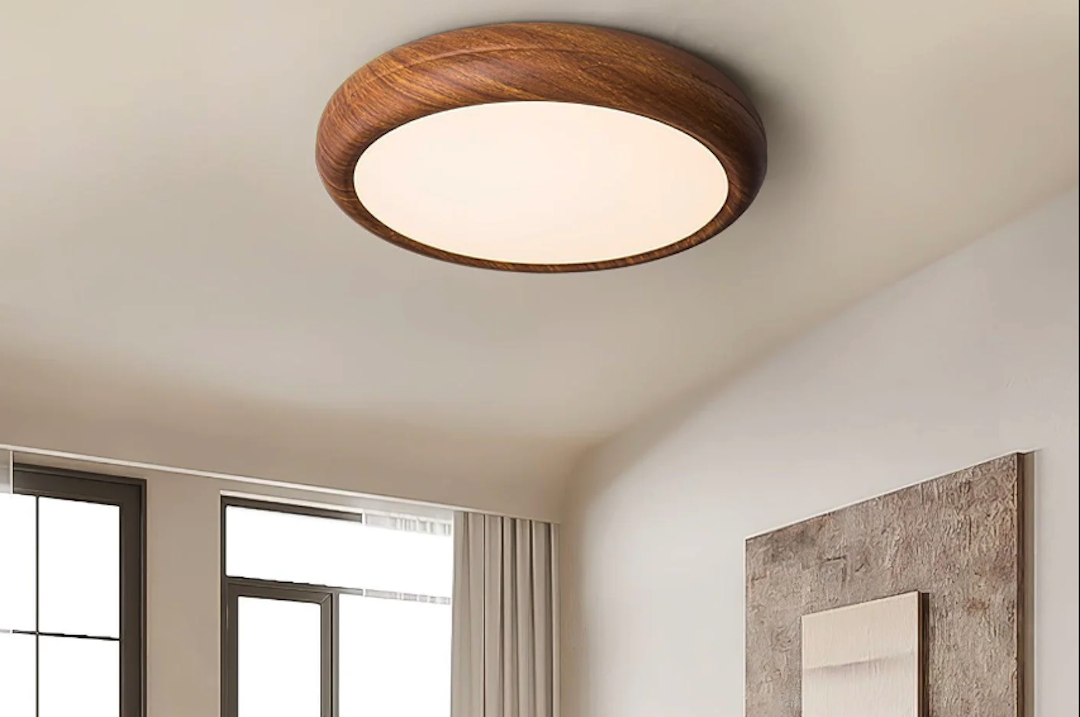
Solid wood linear suspension lighting, often referred to as a linear pendant or island light, represents a prominent category within contemporary interior design. These fixtures, characterized by their elongated, horizontal form and the foundational use of solid wood as a primary material, offer both aesthetic distinction and functional illumination. Unlike broad, diffuse lighting, linear suspension lights are designed to provide focused, downward-directed light, making them suitable for specific applications such as illuminating kitchen islands, dining tables, or workspaces.
The integration of solid wood into lighting design is not merely a stylistic choice; it introduces a material with inherent tactile warmth, diverse grain patterns, and a connection to natural environments. This contrasts with more industrial or purely minimalist lighting solutions, offering an alternative that prioritizes organic aesthetics and a sense of grounding within a living space.
Materiality and Craftsmanship
The defining characteristic of this lighting type is its reliance on solid wood. This section explores the implications of this material choice and the craftsmanship involved.
Species Selection and Properties
The choice of wood species significantly influences the fixture’s final appearance, durability, and cost. Common species employed include:
- Oak (Quercus spp.): Valued for its strength, durability, and prominent grain pattern. Oak can be stained to various hues, or left natural to highlight its inherent character. Different types, such as European Oak or North American White Oak, present distinct visual qualities.
- Walnut (Juglans spp.): Known for its rich, often dark brown coloration and fine, often wavy grain. Walnut is relatively strong and finishes well, lending a sophisticated aesthetic.
- Maple (Acer spp.): A light-colored, fine-grained wood that offers a clean, contemporary appearance. Maple is durable and takes finishes uniformly.
- Ash (Fraxinus spp.): Similar in appearance to oak, but often lighter in color and with a more open grain. Ash is strong and flexible, making it suitable for various designs.
- Teak (Tectona grandis): A durable hardwood with natural oils that provide resistance to moisture and insects. Its golden-brown color darkens with age. Primarily used in more specialized designs or outdoor applications, though less common for indoor suspension lighting due to cost and density.
Each wood species possesses unique properties regarding hardness, density, color variations, and grain structure. These attributes directly impact the fixture’s visual weight and its capacity to integrate with existing interior palettes.
Construction Techniques
The fabrication of solid wood linear suspension lighting involves various woodworking techniques. These range from simple jointing and milling to more complex lamination and carving. Attention to detail in sanding, finishing, and joinery is paramount to ensure structural integrity and aesthetic refinement. Precision cutting and routing are required to house internal electrical components and light sources effectively, often creating channels for wiring without compromising the visible integrity of the wood. The durability of the fixture is directly tied to the quality of its construction and the inherent stability of the chosen wood.
Design Principles and Aesthetics
Solid wood linear suspension lighting incorporates specific design principles that contribute to its visual impact and functional efficacy.
Form and Line
The linear form itself is inherently minimalist and modernist. It provides a clean, uninterrupted line that can visually extend or delineate a space. This linearity acts as a visual anchor, drawing the eye along its axis. The length of the fixture is often proportionate to the space it illuminates, such as the length of a dining table or kitchen island, creating a harmonious relationship between the light source and the illuminated surface.
Integration with Interior Styles
The versatility of solid wood allows these fixtures to adapt to a range of interior design styles.
- Modern and Contemporary: Clean lines, minimal ornamentation, and often lighter wood finishes (e.g., maple, white oak) complement modern aesthetics.
- Mid-Century Modern: Teak or walnut, paired with sleek lines and sometimes brass accents, can evoke a mid-century sensibility.
- Scandinavian: Light-colored woods, simple forms, and a focus on natural materials align with Scandinavian design principles.
- Rustic and Industrial (with caveats): While inherently natural, a raw or heavily textured wood combined with darker metals or exposed hardware can lean towards rustic or industrial, though the linearity itself often softens purely industrial aesthetics.
The wood’s natural texture introduces warmth and organic contrast, preventing the linearity from appearing stark or austere. It offers a counterpoint to often hard or reflective surfaces found in contemporary kitchens and dining areas.
Optical Considerations
The design of the solid wood linear suspension light extends beyond its visual form to encompass how it distributes light. The bottom surface often contains integrated LED arrays or linear light sources, frequently diffused to minimize glare and provide even illumination. Some designs incorporate upward-facing elements to provide a subtle ambient wash on the ceiling, adding depth to the lighting scheme. The color temperature of the light source (measured in Kelvin) is also a critical consideration, impacting the mood and functionality of the illuminated space. Warmer temperatures (2700K-3000K) are often preferred for dining and residential settings, while cooler temperatures (4000K+) might be chosen for task-oriented environments.
Functional Applications
Solid wood linear suspension lighting is primarily employed in areas requiring focused illumination over an extended surface.
Kitchen Islands and Countertops
This is perhaps the most common application. A linear pendant over a kitchen island serves multiple functions:
- Task Lighting: Provides direct, bright illumination for food preparation, cutting, and other kitchen tasks.
- Aesthetic Enhancement: Acts as a focal point, defining the island as a central gathering or working area.
- Ambient Contribution: While primarily task-oriented, the light contributes to the overall brightness of the kitchen.
The length of the fixture should ideally be approximately two-thirds to three-quarters the length of the island to ensure balanced illumination without overwhelming the space.
Dining Tables
Over a dining table, a linear suspension light performs a similar dual role:
- Illumination for Dining: Brightens the table surface, enhancing the presentation of food and facilitating conversation.
- Atmosphere Creation: The warmth of the wood and the quality of light can contribute to a convivial and intimate dining experience.
The height of the fixture above the table is crucial; typically, it is suspended 30-36 inches (75-90 cm) above the tabletop to prevent obstructing views while still providing adequate light.
Workspace and Office Environments
In home offices or collaborative workspaces, long desks or conference tables benefit from linear suspension lighting. The even distribution of light helps reduce eye strain during prolonged periods of work, offering a more aesthetically pleasing alternative to traditional office fluorescent fixtures. The natural material can also contribute to a more biophilic design approach, aiming to connect occupants with nature within the built environment.
Installation and Maintenance
Proper installation and routine maintenance are crucial to maximizing the longevity and performance of solid wood linear suspension lighting.
Mounting and Electrical Considerations
Installation typically involves securing a ceiling canopy to a joist or junction box, followed by wiring the fixture to the main electrical supply. Due to the weight and length of many solid wood linear fixtures, professional installation is often recommended to ensure secure mounting and correct electrical connections. Dimming capabilities are a common feature, requiring compatible dimmers to control light output and ambiance. The fixture’s suspension cables or rods are adjustable, allowing for customization of hang height.
Wood Care and Longevity
The longevity of a solid wood linear suspension light is directly related to the care of its wooden components.
- Cleaning: Dusting with a soft, dry cloth is usually sufficient. Avoid abrasive cleaners or excessive moisture, which can damage the wood finish.
- Humidity Control: Wood is a hygroscopic material, meaning it absorbs and releases moisture. Fluctuations in humidity can cause wood to expand, contract, or even crack. Maintaining stable indoor humidity levels (typically 35-55%) is beneficial for all wood products.
- Protection from Direct Sunlight: Prolonged exposure to direct sunlight can fade wood finishes and cause discoloration. While often mounted indoors, placement near large, unshaded windows should be considered.
- Finish Reapplication: Over time, wood finishes may dull or show wear. Depending on the original finish (e.g., oil, lacquer, varnish), periodic reapplication or conditioning may be necessary to restore its luster and protective qualities.
Regular inspection of electrical components and connections is also advisable.
Environmental and Ethical Considerations
The use of wood in manufacturing inherently raises questions about its environmental impact and sourcing practices.
Sustainable Sourcing
Responsible manufacturers often prioritize sourcing wood from sustainably managed forests, certified by organizations such as the Forest Stewardship Council (FSC) or the Programme for the Endorsement of Forest Certification (PEFC). These certifications indicate that the timber has been harvested in an environmentally responsible manner that promotes forest health and biodiversity. When selecting a solid wood fixture, inquiring about sourcing practices can inform a more conscientious purchase.
Lifecycle and Durability
Solid wood products, when properly cared for, possess a long lifespan. This inherent durability contributes to their sustainability by reducing the frequency of replacement and the associated waste. Unlike some synthetic materials, wood is biodegradeable at the end of its functional life, though the electrical components will require proper disposal. The potential for repair and refinishing further extends the product’s utilitarian and aesthetic life. The natural character of wood also means that each piece is unique, offering a distinct aesthetic that can resist trends and maintain appeal over time.