Modern ceramic table lamps represent a significant evolution in home lighting and décor. Their integration into contemporary interior design schemes offers both functional illumination and aesthetic enhancement. This article explores the various facets of modern ceramic table lamps, from their historical origins and material properties to their design characteristics and practical applications.
The use of ceramics in lighting fixtures dates back centuries, evolving from simple oil lamps Unilamplighting to more elaborate decorative pieces. Early ceramic lamps were primarily utilitarian, crafted from local clays and designed to hold a flame. The Industrial Revolution introduced mass production techniques, and ceramic designs became more refined, moving beyond basic functionality to incorporate decorative elements.
The Rise of Decorative Ceramics
During the Art Nouveau and Art Deco periods, ceramic art experienced a resurgence. Designers like Émile Gallé and Louis Comfort Tiffany incorporated elaborate ceramic bases into their lamp designs, often featuring organic motifs or geometric patterns. These pieces were distinctive, reflecting the artistic sensibilities of their time. The mid-20th century saw a shift towards simpler, more minimalist designs, which laid the groundwork for today’s modern ceramic lamps.
Post-War and Contemporary Developments
Post-World War II, ceramic production embraced new glazes and firing techniques, allowing for a wider range of colors and textures. Scandinavian designers, in particular, championed clean lines and natural materials, influencing the development of ceramic lamps with understated elegance. Today, advancements in ceramic technology permit intricate forms and finishes, pushing the boundaries of traditional craftsmanship.
Material and Manufacturing Processes
Ceramic table lamps are crafted from various clay types, each possessing unique characteristics that influence the final product’s appearance and durability. Understanding these materials and the manufacturing processes provides insight into the quality and design potential of these lamps.
Types of Clay Used
- Earthenware: This is a common and versatile clay, fired at relatively low temperatures. Earthenware lamps often have a porous, matte finish unless glazed. It is suitable for a wide range of designs due to its workability.
- Stoneware: Fired at higher temperatures than earthenware, stoneware is denser and less porous. It offers greater durability and can achieve a variety of finishes, from earthy and rustic to smooth and refined. Many modern ceramic lamps utilize stoneware for its robustness and aesthetic versatility.
- Porcelain: The highest firing temperature clay, porcelain is characterized by its whiteness, translucency, and strength. Porcelain lamps often exhibit a delicate appearance and a luminous quality when light passes through the less opaque sections. Its smooth surface lends itself well to minimalist and high-end designs.
Glazing and Firing Techniques
The glazing process is crucial for both the aesthetics and protection of ceramic lamps. Glazes are glass-like coatings applied to the ceramic body before a second firing.
- Matte Glazes: These glazes provide a non-reflective finish, often conveying a sense of understated sophistication. Matte surfaces can be particularly effective in diffusing light subtly.
- Gloss Glazes: Producing a reflective, often vibrant surface, gloss glazes can highlight the lamp’s contours and colors. They can add a touch of formality or playfulness, depending on the hue.
- Textured Glazes: Some glazes incorporate additives or application techniques that create tactile surfaces, ranging from subtly pitted to distinctly uneven. These add an additional layer of sensory engagement to the lamp.
The firing process, occurring in kilns, transforms the raw clay into durable ceramic. The temperature and duration of firing determine the clay’s maturity and the glaze’s adherence. Modern kilns offer precise control, enabling consistent quality in ceramic lamp production.
Design Principles and Aesthetic Considerations
Modern ceramic table lamps embody a fusion of form and function. Their designs often align with contemporary aesthetic principles, emphasizing simplicity, organic shapes, and textural diversity. When selecting a lamp, consider how its design integrates with your existing décor.
Minimalism and Clean Lines
A hallmark of modern design, minimalism dictates that form follows function, and unnecessary embellishments are eschewed. Ceramic lamps embracing this principle feature unadorned surfaces, geometric shapes, and a limited color palette. These lamps act as quiet anchors in a room, providing illumination without visual clutter.
Organic Shapes and Natural Forms
Drawing inspiration from the natural world, many modern ceramic lamps feature organic, free-flowing shapes. These can range from subtly undulating curves to biomorphic forms that mimic pebbles, shells, or sculpted plant life. Such designs introduce a sense of tranquility and connection to nature within an indoor setting.
Textural Contrast and Tactile Surfaces
The inherent properties of ceramic allow for a diverse range of textures. Modern lamps exploit this, featuring bases with rough, hand-thrown effects, or smooth, highly polished surfaces. Combining different textures within a single lamp, or pairing a textured ceramic base with a contrasting shade material, creates visual and tactile interest. This interplay of textures can stimulate the senses, much like a carefully composed piece of music.
Color Palettes and Finishes
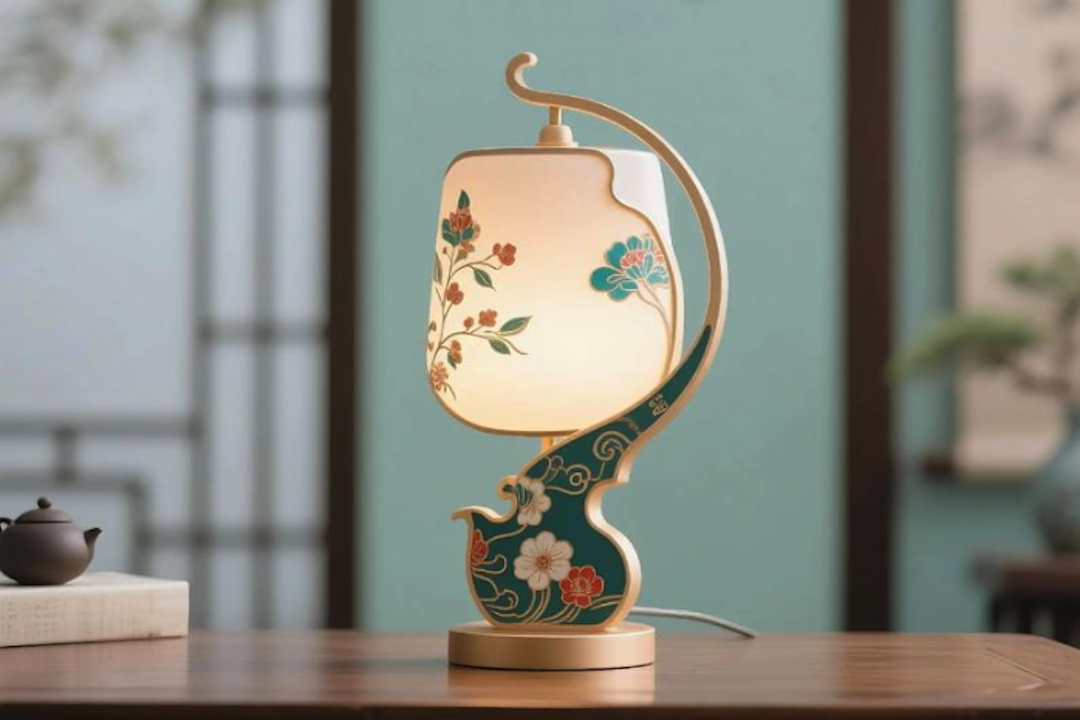
Modern ceramic lamps often adhere to restrained color palettes, including neutrals like white, cream, gray, and black. These colors provide versatility and allow the lamp’s form and texture to take precedence. However, bolder hues, such as deep blues, greens, or terracotta, are also employed to create focal points or inject personality into a space. The finish, whether matte, glossy, or textured, further defines the lamp’s character.
Functional Aspects and Illumination
Beyond their aesthetic appeal, modern ceramic table lamps serve a crucial functional role: providing illumination. Understanding their lighting capabilities and how they affect a room’s ambiance is essential for effective placement.
Types of Lighting Provided
- Ambient Lighting: This refers to the general illumination of a room. Ceramic table lamps, especially those with translucent shades, can contribute to the overall ambient light level, softening harsh overhead lighting or providing a warm glow.
- Task Lighting: When placed strategically, a ceramic table lamp can serve as effective task lighting for activities such as reading, working, or crafting. The shade and bulb choice are critical here to direct light appropriately without causing glare.
- Accent Lighting: Used to highlight specific features or create a mood, accent lighting from a ceramic table lamp can draw attention to a piece of art, a plant, or simply create a pool of welcoming light in a dim corner.
Shade Selection and Light Diffusion
The lampshade is an integral component, shaping how light is emitted and diffused. The material, color, and shape of the shade significantly impact the lamp’s functional performance.
- Fabric Shades: Common materials like linen, cotton, or silk diffuse light softly, creating a warm and inviting glow. The weave and opacity of the fabric will determine the degree of light diffusion.
- Drum Shades: These cylindrical shades provide an even distribution of light, often upward and downward, making them versatile for ambient or task lighting.
- Tapered Shades: Shades that narrow towards the top direct light more downward, which can be useful for task lighting on a desk or bedside table.
- Bowl-Shaped Shades: These may direct light predominantly upward, casting a softer, more indirect glow that can be effective for ambient lighting.
Bulb Types and Energy Efficiency
Modern ceramic lamps are designed to accommodate various bulb types, offering choices in brightness, color temperature, and energy efficiency.
- LED Bulbs: Energy-efficient and long-lasting, LED bulbs are a popular choice. They come in a range of color temperatures, from warm white (2700K-3000K) to cool daylight (5000K-6000K), allowing you to tailor the lamp’s light output to your preference.
- CFL Bulbs: Compact fluorescent lamps offer energy savings over incandescent bulbs but are gradually being phased out in favor of LEDs due to their mercury content and slower startup time.
- Incandescent Bulbs: While less energy-efficient, incandescent bulbs produce a warm, natural light. Some designers appreciate their color rendition, but their energy consumption limits their widespread use in modern lighting.
Consider a bulb with a dimmer switch if you need flexible lighting levels. This allows you to adjust the intensity of the light, transitioning from bright task illumination to a soft, atmospheric glow.
Integrating Modern Ceramic Lamps into Your Home
The strategic placement and pairing of modern ceramic table lamps can significantly enhance your home’s aesthetic and functional appeal. View them not merely as light sources but as sculptural elements that complete a room’s narrative.
Living Room Applications
In the living room, ceramic lamps can define zones, provide accent lighting, and contribute to the overall ambiance. Paired on end tables flanking a sofa, they create symmetry and balance. A single, distinctively shaped ceramic lamp on a console table can serve as a striking focal point, drawing the eye and adding an artistic touch. Consider the scale of the lamp relative to the furniture it accompanies, much like a well-tailored suit complements its wearer. A large, sculptural lamp can anchor a spacious area, while a smaller, more delicate piece might suit a cozy reading nook.
Bedroom Integration
Bedside table lamps are essential for reading and providing a comforting glow. Modern ceramic lamps, particularly those with dimmer capabilities, are ideal for creating a relaxed bedroom environment. Their clean lines and often muted colors contribute to a serene atmosphere. A smooth, matte-finished ceramic lamp can introduce a calming tactile element, while a subtly textured one might offer a hint of visual surprise. Ensure the lamp’s height is appropriate for reading in bed, with the bottom of the shade at or near shoulder height.
Office and Study Spaces
In a home office or study, a ceramic table lamp can provide focused task lighting while also adding sophisticated style. Choose a lamp with a shade that directs light downward, minimizing glare on screens. A lamp with a solid, weighty ceramic base can convey a sense of stability and permanence, fostering an environment conducive to concentration. Its presence can be both calming and stimulating, a quiet companion during focused work.
Entryways and Hallways
An entryway often serves as a visitor’s first impression of your home. A carefully chosen modern ceramic lamp on a console table can create a welcoming atmosphere. It can provide a soft, ambient light that guides guests into the main living areas. In a hallway, a series of smaller lamps on wall-mounted shelves can act as wayfinding beacons, their light washing the walls with an inviting glow. The lamp here can be a silent greeter, its soft light offering a hint of the calm within.
Pairing with Other Décor Elements
Modern ceramic lamps are versatile and can complement various décor styles. They often pair well with natural materials like wood, linen, and wool, enhancing a sense of organic harmony. Consider how the lamp’s color and texture interact with upholstery fabrics, wall treatments, and other decorative objects. A lamp with a neutral ceramic base can act as a bridge between different textures and colors in a room, much like a well-chosen accessory completing an ensemble. Avoid overcrowding; sometimes one well-chosen lamp can speak volumes more than a multitude of lesser pieces. Its presence should feel deliberate and considered, not accidental.
By understanding the historical context, material properties, design principles, and functional aspects of modern ceramic table lamps, you can make informed decisions to enhance your living spaces. These lamps are not merely light sources; they are sculptural additions, offering both illumination and a refined contribution to your home’s aesthetic.