Thinking about adding a rustic wood ceiling light to your cabin? It’s a fantastic idea, and likely a perfect fit. These lights bring a natural warmth and character that complements cabin aesthetics beautifully, offering a blend of practical illumination and cozy ambiance. The real benefit lies in how they integrate with the existing materials and the overall feeling of being connected to nature.
There’s a reason why rustic wood ceiling lights Vexlighting feel so right in cabin settings. It’s less about a fleeting trend and more about a fundamental connection to the materials and the environment they inhabit. Think about it: cabins are often built with wood, situated amongst trees, and designed to offer a retreat from the manufactured world. A wood ceiling light doesn’t just illuminate; it becomes an extension of this natural palette.
The Material Advantage
Wood itself has inherent qualities that make it ideal for cabin decor. Its textures, grains, and varying tones can add depth and visual interest without being overbearing. When used in a ceiling light fixture, this natural material helps to anchor the space, making it feel grounded and comfortable. It’s a tactile element that even visually evokes a sense of touch, inviting a feeling of coziness. Unlike metal or glass, wood has a softer presence.
Texture and Grain: More Than Just Looks
The specific type of wood used, and how it’s finished, plays a significant role. A rough-hewn pine might create a more rugged, primitive feel, while a sanded and slightly stained oak can offer a more refined rustic look. Don’t underestimate the power of the grain. Visible, natural patterns in the wood can mimic the bark of trees or the structure of aged beams, further reinforcing that connection to the wilderness.
Color Palette Harmony
Wood tones – from pale birch to rich walnut – naturally harmonize with the typical color schemes found in cabins. Think earthy greens, deep blues, warm browns, and muted grays. A wood light fixture won’t clash; instead, it will likely enhance these existing colors, creating a cohesive and inviting atmosphere.
Beyond Aesthetics: Practicality and Durability
While the look is a major draw, rustic wood ceiling lights are also practical choices for cabin life. They often employ robust construction methods and materials that can withstand the occasional bump or jostle that might happen in a more relaxed environment.
Longevity and Resilience
Many wood ceiling light fixtures are built with solid wood components that are inherently durable. This isn’t flimsy particleboard; we’re talking about pieces designed to last. This resilience is important in a space that might see a lot of use and where maintenance might be less frequent than in a city apartment.
Ease of Integration
These lights are designed to be integrated, not to stand out as jarringly modern elements. They fit seamlessly into sloped ceilings, exposed beams, and other common cabin architectural features. This ease of integration is a huge plus when you’re looking to enhance, rather than disrupt, the existing character of your space.
Types of Rustic Wood Ceiling Lights for Every Cabin Space
When you start looking at rustic wood ceiling lights, you’ll find a variety of styles. Each can lend a different feel to your cabin. It’s worth considering where in the cabin you plan to install the light, as different areas might benefit from different designs.
Pendant Lights: Focused Illumination and Style
Wood pendant lights are a popular choice. They hang down from the ceiling, offering directed light that’s great for specific tasks or highlighting certain areas.
Single Pendant Over a Table
A single wood pendant light hung over a dining table or kitchen island is a classic. It creates a focal point and provides ample light for eating, cooking, or gathering. The wood element adds warmth to the dining experience.
Cluster Pendants for Ambiance
For a bit more visual flair, a cluster of smaller wood pendant lights can be used. This can create a more dynamic lighting display, and by varying the heights, you can achieve an interesting layered effect.
Task Lighting Solutions
In areas like a reading nook or a small workstation, a pendant light with an adjustable arm or a more focused beam can provide essential task lighting without overwhelming the space.
Flush Mount and Semi-Flush Mount: Subtle Integration
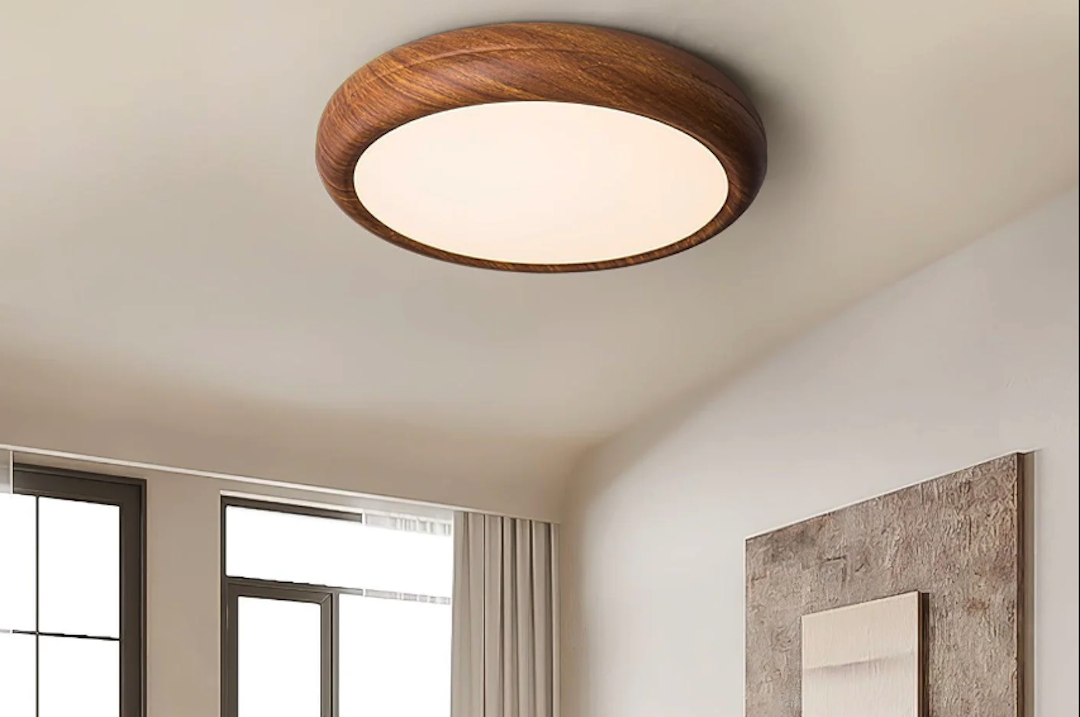
If you have lower ceilings or prefer a more understated look, flush mount or semi-flush mount wood ceiling lights are excellent options. They keep the footprint close to the ceiling.
Space-Saving Elegance
Flush mounts are particularly useful in smaller rooms or hallways where hanging fixtures might be obstructive. A wood flush mount can still offer significant rustic charm without consuming vertical space.
Adding Texture to Flat Surfaces
For rooms with flat ceilings, a wood element in a flush mount fixture can add a much-needed touch of texture and visual interest, preventing the ceiling from feeling too plain.
Semi-Flush for a Touch of Drama
Semi-flush mounts offer a bit more design presence. They sit a few inches below the ceiling, allowing for slightly larger shades or more intricate wood details, and can cast light both upwards and downwards.
Chandelier-Style Fixtures: Statement Pieces
For a more impactful statement, a rustic wood chandelier can elevate the entire room. These often incorporate multiple bulbs and elaborate wood designs.
The Grand Entrance
In a larger living area or entryway, a wood chandelier can truly be a centerpiece. It draws the eye and immediately sets a sophisticated yet rustic tone.
Illuminating Larger Spaces
These fixtures are designed to distribute light effectively across a wider area, making them ideal for spacious living rooms, great rooms, or even master bedrooms in a cabin.
Combining Wood and Metal Elements
Many rustic chandeliers cleverly combine wood with other materials like wrought iron or aged bronze. This can add an industrial or more traditional edge to the rustic design.
Key Design Elements to Consider in Wood Ceiling Lights
When you’re browsing for that perfect rustic wood ceiling light, there are a few specific design details that can make a big difference in how it looks and feels in your cabin. It’s about more than just the general shape.
Wood Finish and Type
The way the wood is treated and the type of wood itself will profoundly impact the aesthetic.
Natural and Unfinished Wood
For the most authentic, raw cabin feel, look for lights where the wood is left in a more natural, unfinished state. This highlights the imperfections, knots, and inherent grain patterns. Think of it like a piece of the forest brought indoors.
Stained and Sealed Wood
Stained wood offers a more controlled and often warmer look. Light stains can preserve the wood’s natural color while adding a protective layer. Darker stains can provide a richer, more dramatic effect, reminiscent of aged timbers.
Weathered and Distressed Finishes
Some lights feature deliberately weathered or distressed finishes. This is a great way to instantly give a fixture an old-world charm, as if it’s been in the cabin for generations. Look for subtle signs of wear, cracks, or a slightly faded appearance.
Contrasting Wood Types
If a fixture uses multiple wood types, or combines wood with metal, pay attention to how these materials interact. A dark wood frame with a lighter wood accent, for example, can add subtle complexity.
Light Bulb Integration and Style
The bulbs themselves are a key part of the overall design, especially with exposed fixtures.
Edison Bulbs: The Go-To for Rustic
Edison-style incandescent bulbs are almost synonymous with rustic lighting. Their visible filaments and warm, amber glow are perfect for creating that inviting, vintage ambiance.
LED Equivalents for Efficiency
Fortunately, you can get the same vintage look with LED bulbs. They offer significant energy savings and a much longer lifespan. When choosing LED Edison bulbs, look for those with a warm color temperature (around 2200K-2700K) to get that authentic glow.
Candle-Style Bulbs
For a more traditional, candle-lit feel, consider fixtures that use candle-style bulbs. These can add a charming, antique touch.
Frosted or Clear Glass Shades
The type of glass shade (if any) will also influence the light. Frosted glass diffuses light for a softer, more ambient glow, while clear glass allows the bulbs to be more of a visual feature.
Metal Accents and Hardware
Many rustic wood lights incorporate metal elements for structure, detail, or contrast.
Wrought Iron and Black Metal
These are classic choices that pair exceptionally well with wood. They lend an industrial or traditional cabin feel and are very durable.
Brushed Nickel or Bronze
For a slightly softer or more refined look, brushed nickel or oil-rubbed bronze can be elegant choices. They often have a subtle sheen that complements the wood without being overly flashy.
Aged Brass or Copper
These warm metal tones can add a touch of old-world charm and a bit of subtle color to the fixture. They tend to develop a patina over time, adding to their rustic appeal.
Hardware Placement and Style
Pay attention to where the metal hardware is located and its style. Is it a substantial joint? A decorative band? How does it connect to the wood? These details contribute to the overall character.
Placement and Installation Considerations for Wood Ceiling Lights
Where you put your wood ceiling light and how it’s installed are just as important as the fixture itself. A well-placed light can transform a room, while a poorly placed one can be an eyesore or even a hazard.
General Lighting Principles for Cabins
Think about how the light will be used and what kind of atmosphere you want to create.
Layering Light for Ambiance
Don’t rely on a single overhead light for all your illumination. Layering your lighting – using overhead fixtures, lamps, and task lighting – creates a more dynamic and inviting space.
Avoiding Glare and Shadows
Position lights so they don’t create harsh glare on surfaces or cast awkward shadows that make the room feel unwelcoming. Aim for a soft, even distribution of light.
Task-Specific Lighting Needs
Consider areas where you’ll be doing specific activities. A kitchen needs good task lighting for cooking, a reading nook needs focused light, and a living area benefits from ambient light.
Specific Room Applications
Each area of your cabin can benefit from tailored lighting solutions.
Living Room: Creating a Cozy Gathering Space
In the living room, a central wood ceiling fixture can be a beautiful focal point. Consider a semi-flush mount or a smaller chandelier if the ceiling height allows. Supplement with floor and table lamps for reading and creating a warm glow.
Kitchen: Balancing Functionality and Athestics
For the kitchen, you’ll need good task lighting. Pendant lights over an island or sink are excellent. A flush mount in the center of the room can provide general illumination. Aim for warmer light temperatures to keep the cozy feel.
Bedroom: Promoting Relaxation
In the bedroom, soft, ambient light is key. A wood flush mount or a simple pendant can provide this. Consider dimmer switches to control the intensity and create a more relaxing atmosphere in the evenings. Nightstand lamps are also crucial.
Dining Area: Enhancing the Meal Experience
A wood pendant or a small chandelier is perfect for a dining area. It draws attention to the table and creates an intimate setting. Ensure the light is bright enough for dining but not so bright that it’s harsh.
Hallways and Entryways: Welcoming and Navigational
For hallways and entryways, practical and welcoming light is important. Small wood flush mounts or semi-flush mounts work well. They help with navigation and create a positive first impression.
Installation Practicalities
This is where you might need a little help.
Electrical Box Compatibility
Ensure your existing electrical box in the ceiling is compatible with the size and weight of the fixture you choose.
Ceiling Height and Clearance
Measure your ceiling height carefully. For hanging fixtures, ensure there’s adequate clearance so no one bumps their head. For sloped ceilings, some fixtures come with special mounting hardware.
Dimmers for Mood Control
Installing a dimmer switch is a highly practical upgrade. It allows you to adjust the light intensity, which is invaluable for creating different moods throughout the day or for various activities.
Professional Installation Recommended
Unless you have significant experience with electrical work, it’s generally best to hire a qualified electrician to install your ceiling light. This ensures it’s done safely and correctly, avoiding potential hazards.
Maintaining Your Rustic Wood Ceiling Light
Once your beautiful rustic wood ceiling light is installed, a little care will keep it looking its best for years to come. Wood, while durable, does require some attention to prevent it from drying out or getting damaged.
Cleaning and Dusting
Regular dusting is the most important part of maintenance.
Gentle Dusting Techniques
Use a soft, dry microfiber cloth to gently wipe away dust. Avoid harsh chemicals or abrasive materials that could scratch the wood or damage the finish.
For Smudges and Grime
If there are any smudges or slightly more stubborn grime, slightly dampen the cloth with water. If the finish is particularly delicate, you might use a very mild, wood-specific cleaner, but always test it on an inconspicuous area first.
Cleaning Fixture Components
Remember to also clean any glass shades or metal components of the fixture. For glass, a standard glass cleaner is usually fine, but be careful not to spray it directly onto the wood. For metal, use a cleaner appropriate for the specific metal type.
Wood Preservation
Keeping the wood healthy is key to its longevity.
Monitoring for Dryness
In dry cabin environments, wood can become dry and brittle over time. If the wood starts to look dull or feel rough, it might need a little extra care.
Wood Conditioners and Waxes
Periodically, you can apply a thin coat of a good quality wood conditioner or a beeswax-based polish. This will help to rehydrate the wood, protect the finish, and restore a subtle sheen. Again, test on a small area first.
Avoiding Harsh Chemicals
Never use furniture polish or cleaners that contain silicone or harsh solvents on your wood light fixture, as these can damage the finish or the wood itself over time.
Addressing Wear and Tear
Even the most durable fixtures can eventually show signs of age.
Minor Scratches
Small scratches can often be buffed out with a soft cloth or, in some cases, a wood touch-up crayon matching the color of your fixture.
Loose Components
If you notice any loose screws or fittings, tighten them promptly to prevent further damage or potential safety issues.
Protecting Against Moisture
While wood lights are generally designed for indoor use, be mindful of direct exposure to excessive moisture, such as from steam in a bathroom or condensation. Ensure the fixture is installed in an appropriate location for its intended use.
By following these simple guidelines, your rustic wood ceiling light will remain a beautiful and functional focal point in your cabin for many years to come.