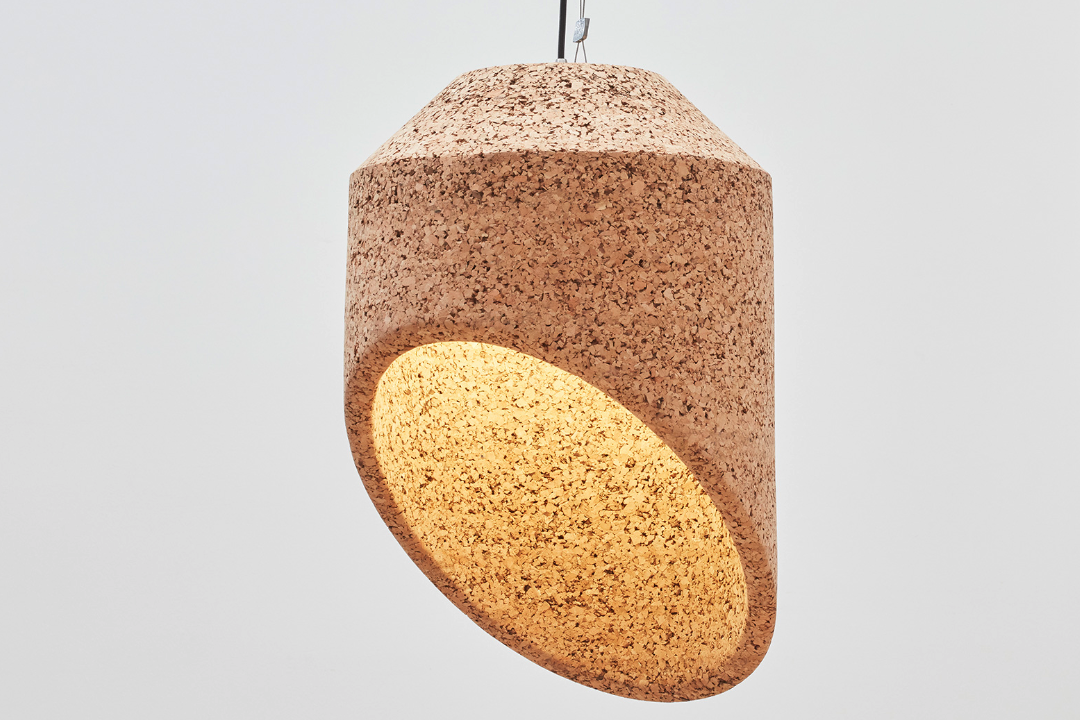
So, you’re looking at a natural cork pendant light for your home, specifically one with a drum shade, and you’re wondering if it’s actually a good eco-friendly choice. The short answer? Yes, absolutely. Cork is a fantastic material for sustainable lighting, and a drum shade design makes it versatile and attractive. Let’s dive into why.
When we talk about “natural cork,” we’re not just talking about a pretty material. We’re talking about a resource that’s inherently sustainable, and that’s a big deal.
The Magic of Harvesting Cork
The cork we use for things like pendant lights Yibil comes from the bark of the cork oak tree. Here’s the really cool part: harvesting cork doesn’t involve cutting down the tree. Instead, skilled workers carefully strip the bark. The tree then regenerates its bark over the next 9-12 years, allowing for repeated harvests throughout its lifespan. Think of it as giving the tree a haircut rather than a death sentence. This makes cork one of the most renewable resources out there.
More Than Just Renewable: The Tree Keeps Growing
Unlike timber that requires replanting, the cork oak continues to live, grow, and fulfill its ecological role. These trees are vital for biodiversity, especially in regions like the Mediterranean basin. They provide habitat for countless species, and their root systems help prevent soil erosion. So, choosing a cork product is indirectly supporting the preservation of these important ecosystems.
Carbon Sequestration: A Double Win
Cork oak forests are remarkable carbon sinks. They absorb significant amounts of CO2 from the atmosphere, even more than many other tree species. When you harvest the bark, the tree is stimulated to absorb even more CO2 to regrow it. This means that the production and use of cork products can actually contribute to mitigating climate change, which is a pretty impressive feat for a lighting fixture.
The Design Advantages of a Cork Drum Shade Pendant
Beyond its environmental credentials, a cork drum shade pendant light brings some practical design benefits to the table.
Timeless Aesthetics
The natural, earthy tones and subtle texture of cork lend themselves to a wide range of interior styles. A drum shade is inherently versatile – it’s classic, unobtrusive, and fits with modern, minimalist, bohemian, or even more traditional decors. It’s not trying too hard to be trendy; it just is.
Minimalist Magic
For those who appreciate clean lines and uncluttered spaces, a cork drum shade can be a perfect fit. Its natural material adds warmth without visual noise, and its simple form enhances a minimalist aesthetic.
Bohemian Bliss
The organic texture and color of cork can add a touch of natural charm to bohemian interiors. It pairs beautifully with natural fibers, plants, and other earthy elements.
Modern Warmth
Even in a sleek, modern home, a cork pendant can introduce a welcome element of warmth and texture, softening the harder edges and creating a more inviting atmosphere.
Diffused and Gentle Lighting
The drum shade shape is designed to diffuse light evenly. Because cork has a natural porosity and can be crafted to have a certain thickness, it helps to create a soft, inviting glow rather than harsh, direct light. This makes it ideal for creating ambiance.
Reducing Glare
The shade acts as a barrier, preventing direct glare from reaching your eyes, which is crucial in creating a comfortable living space, especially in dining areas or over seating arrangements.
Even Illumination
The cylindrical shape ensures light is spread out in all directions, providing consistent illumination across a room or a specific task area. This means fewer dark spots and a more balanced lighting experience.
Durability and Longevity
Cork is surprisingly durable. It’s naturally resistant to moisture, mold, and mildew, which can be a significant advantage, especially in kitchens or bathrooms where humidity can be a factor.
Resistance to Wear and Tear
The cellular structure of cork makes it resilient. It bounces back when compressed, meaning it’s less likely to dent or scratch than many other natural materials. This adds to its longevity, reducing the need for frequent replacements.
Natural Fire Retardancy
Cork is also naturally flame-retardant, offering an additional layer of safety in your home. This is a significant benefit for any lighting fixture.
The Craftsmanship and Construction of Your Cork Pendant
When you choose a natural cork pendant light, you’re often investing in good craftsmanship, which affects both the look and the sustainability of the product.
How the Bark Becomes a Shade
The process of turning cork bark into a usable material for lighting involves several steps. Once harvested, the bark is boiled to flatten it, remove impurities, and make it more pliable. It’s then dried and often aggregated into sheets or molded into specific shapes. For drum shades, the bark might be used in its whole-form pieces, pressed into a composite material, or even laminated.
Different Forms of Cork in Lighting
You’ll find cork used in different ways in pendant lights:
- Solid Cork Sheets: This gives a more rustic, textured look with visible variations in the bark.
- Agglomerated Cork: This is made from small granules of cork pressed together, offering a more uniform appearance and texture.
- Molded Cork: This allows for more complex shapes, though for a drum shade, it’s usually a straightforward cylindrical form.
- Laminated Cork: Thin sheets of cork can be laminated onto a backing material for added stability and sometimes a more refined finish.
The Inner Workings: Wiring and Hardware
While the focus is on the cork shade, the sustainability of the entire fixture matters. Look for pendants that use:
- Recycled or Durable Metals: For the canopy, socket, and suspension cables.
- Energy-Efficient LED Compatibility: This is crucial for minimizing energy consumption once the light is installed.
- Minimal Packaging: Ideally, the product will arrive with eco-friendly packaging.
Integrating Your Cork Pendant Light into Your Home – Practical Tips
Getting that cork pendant light to work with your existing decor is all about thoughtful placement and pairing.
Where to Hang Your New Light
The beauty of a drum shade is its adaptability.
Over the Dining Table
This is a classic for a reason. A cork drum pendant provides warm, diffused light perfect for meals, making conversation feel more intimate and comfortable. Its natural material also adds a subtle organic touch to the often-formal setting of a dining room.
In the Kitchen
For task lighting over an island or a breakfast Nook, a cork pendant can be a stylish and practical choice. Its moisture resistance is a bonus here.
Living Room Ambiance
Suspended over a coffee table or a reading nook, it can create a cozy and inviting atmosphere. It’s a great way to introduce natural elements and soft light into a living space.
Bedroom Serenity
A softer alternative to harsh overhead lighting, a cork pendant over a bedside table or in a dressing area can add a touch of warmth and sophistication.
Pairing with Other Materials and Colors
Cork’s neutral, earthy tone makes it very easy to work with.
- Wood Tones: It complements all kinds of wood finishes, from light Scandinavian oak to rich walnut.
- Greenery: It looks fantastic alongside houseplants, enhancing the natural vibe.
- Textiles: It pairs well with linen, cotton, wool, and even velvet, adding a textural contrast.
- Colors: It works with pretty much any color palette, from crisp whites and grays to bold blues and greens.
The “Eco-Friendly” Label: What to Look For and What to Be Wary Of
It’s great that you’re considering the “eco-friendly” aspect. When it comes to cork, there are some clear indicators, but also things to keep an eye on.
Certifications and Transparency
While not always common for smaller lighting companies, a truly eco-conscious manufacturer might provide information about their sourcing and production.
- FSC Certification: Though more common for wood products, some cork producers might adhere to similar forest management standards.
- Origin Transparency: Knowing where the cork comes from can be a good sign.
- Manufacturing Processes: Are they using minimal chemicals? Are their facilities powered sustainably? This level of detail might be harder to find, but it’s worth noting.
What to Question
- “Eco-friendly” without explanation: If a product is simply labeled “eco-friendly” without any detail on why, it’s worth digging deeper.
- Blends with questionable materials: Some products might mix cork with synthetic binders or plastics. While this can sometimes extend the material’s properties, it can also detract from its overall sustainability. Look for products that are as close to pure cork as possible.
- Excessive transportation: Even a sustainable material loses some of its eco-appeal if it has to travel across the globe multiple times. Consider where the manufacturing and shipping originate from.
Prioritizing Longevity
Ultimately, one of the most sustainable things you can do is buy products that last. A well-made cork pendant light, with its durable material and classic design, is likely to be a fixture in your home for years, if not decades. This reduces the need for replacements and the associated waste.
Beyond the Shade: The Bulb Matters
Remember, your pendant light is just part of the equation. Choosing an energy-efficient LED bulb will significantly boost the overall eco-friendliness of your lighting setup. LEDs use a fraction of the energy of traditional incandescent bulbs and last much longer, further reducing waste and your carbon footprint.
The natural cork pendant light with a drum shade isn’t just a decorative item; it’s a conscious choice that benefits your home’s aesthetic and the planet. Its renewable origin, carbon-seqestration benefits, and inherent durability make it a genuinely sustainable option in the world of home lighting. When you factor in the timeless design and the gentle illumination it provides, it’s a choice that ticks a lot of practical and environmental boxes.