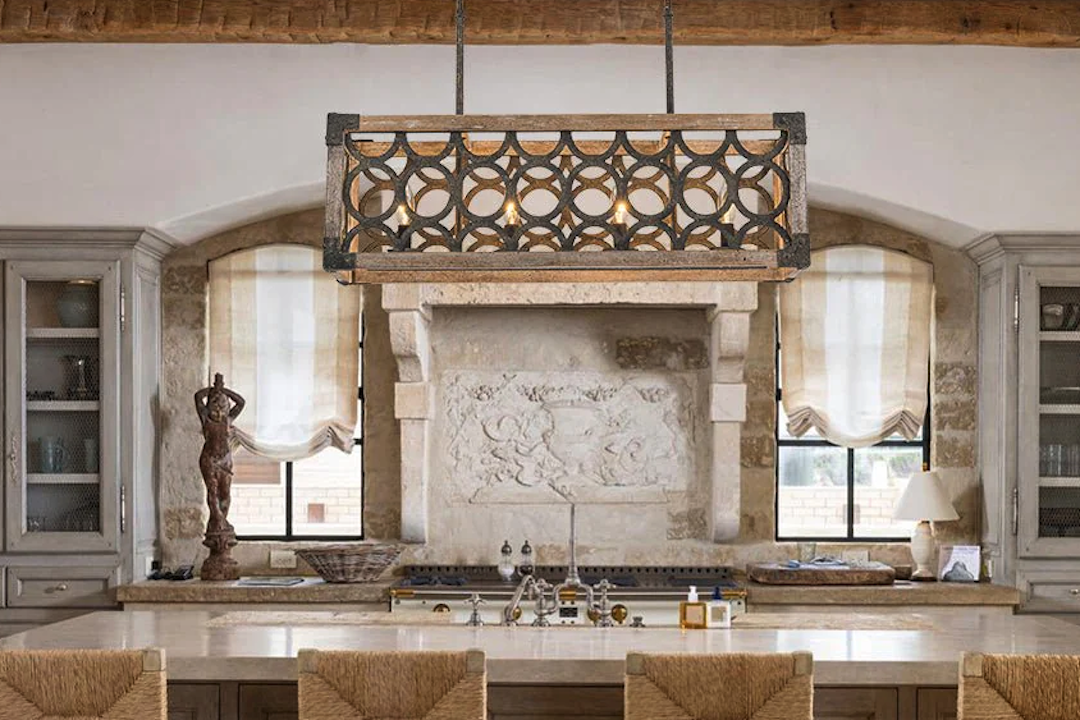
A chandelier crafted from distressed wood and industrial components offers a unique blend of ruggedness and elegance, providing a truly distinct lighting fixture for any space. This piece, often referred to as an Industrial Distressed Wood Box Chandelier, brings character and a focal point to a room that mass-produced options simply can’t match. It’s about more than just light; it’s about making a statement with materials that tell a story.
What Makes it “Industrial”?
The “industrial” aspect generally refers to the use of metal, often in dark, aged finishes like matte black, oil-rubbed bronze, or even rust-colored tones. These metals form the structural elements, the light Mosundesign bulb sockets, and sometimes even cage-like enclosures around the bulbs. Exposed hardware, pipes, and utilitarian design principles are common characteristics here. The aesthetic draws inspiration from factories, warehouses, and old workshops, where functionality and robust materials were paramount.
What Makes it “Distressed Wood”?
“Distressed wood” isn’t just old wood; it’s wood that has been intentionally aged or has naturally acquired features like nicks, scratches, dents, and an uneven finish. This isn’t about damage; it’s about texture and history. Techniques like sanding, wire brushing, applying special stains, or even acid distressing are used to achieve this look. The goal is to mimic years of wear and tear, giving the wood a lived-in, authentic feel. Each piece of distressed wood will have its own unique markings and grain patterns, ensuring no two chandeliers are exactly alike.
The appeal of this type of chandelier lies heavily in its material choices and how they’re brought together. It’s a study in contrasting textures and finishes that, when combined, create a harmonious and impactful design.
The Wood: Character and Warmth
For the wood component, several types are commonly used, each bringing its own set of characteristics to the table. Reclaimed wood is often a fantastic choice.
Reclaimed Wood
Reclaimed wood, sourced from old barns, factories, or even shipyards, carries a genuine history. It’s often dense, robust, and shows natural signs of aging like nail holes, saw marks, and variations in color that are impossible to replicate artificially. Using reclaimed wood also offers an environmentally friendly advantage, as it repurposes existing materials. Oak, pine, and even some darker hardwoods are popular for their grain and durability.
New Wood with Distressing Techniques
When reclaimed wood isn’t feasible or desired, new wood can be artfully distressed to achieve a similar look. Techniques include:
- Wire Brushing: This removes softer grain, leaving behind a textured surface that highlights the wood’s natural patterns.
- Sanding and Dinging: Various grits of sandpaper, along with hammers or chains, can create intentional nicks, scrapes, and softened edges.
- Staining and Glazing: Layering different stains and glazes can mimic the effects of weathering and age, creating depth and a richer, more complex color. Darker stains like walnut or espresso often enhance the rustic feel.
The Metal: Strength and Edge
The metal elements are crucial for providing the “industrial” part of the aesthetic. They ground the piece, offering a strong visual contrast to the organic wood.
Iron and Steel
These are the workhorses of industrial design. Iron and steel provide the necessary structural integrity and are often left with a raw, forged look or finished with dark patinas. Their weight and solidity contribute to the chandelier’s substantial presence.
Finishes for Metal
The finish on the metal components is as important as the metal itself.
- Matte Black: A classic industrial finish, matte black offers a subtle, sophisticated edge that allows the wood to stand out.
- Oil-Rubbed Bronze: This finish provides a slightly warmer, aged look with hints of coppery undertones that can complement various wood tones.
- Aged Brass/Copper: For a touch of vintage charm, aged brass or copper can bring a warm, inviting glow, complementing the wood without overpowering it. These finishes often develop a desirable patina over time.
- Raw or Lacquered Steel: For a truly unrefined industrial look, raw steel, sometimes lacquered to prevent rust, showcases the material in its natural state.
Functionality and Sizing: Getting it Right
Beyond the aesthetic, a chandelier needs to serve its primary function: lighting a space effectively. Proper sizing and bulb choice are critical for both visual appeal and practical illumination.
Sizing Considerations
The size of the chandelier should be proportionate to the room and the furniture below it. An oversized chandelier can overwhelm a space, while one that’s too small will look lost.
Room Dimensions
A common guideline is to add the length and width of the room in feet, and that sum in inches gives you a good starting diameter for your chandelier. For example, a 10’x12’ room (22 total) could accommodate a chandelier around 22-26 inches in diameter or width. For rectangular chandeliers, the length generally follows a similar rule but also needs to consider the length of the table it hangs over.
Table Proportions
If hanging over a dining table or kitchen island, the chandelier should typically be about one-half to two-thirds the width of the table. This ensures it looks balanced and provides even light without being in the way.
Ceiling Height
Consider your ceiling height. For an 8-foot ceiling, the bottom of the chandelier should ideally be about 30-36 inches above a tabletop or 7 feet from the floor in an open space. For higher ceilings, you can hang it a bit higher, adding chain or stem length to bring the fixture down to an appropriate visual level. The goal is to avoid anyone bumping their head while also ensuring the light spreads well.
Bulb Choices and Brightness
The type of bulbs chosen significantly impacts both the look and the quality of light.
Edison Bulbs
For an authentic industrial-rustic look, Edison-style filament bulbs are often the go-to. Their visible filaments emit a warm, inviting glow, enhancing the vintage aesthetic. They are often available in LED versions now, offering energy efficiency without sacrificing the classic look. These are usually lower lumen bulbs, designed more for ambiance than task lighting.
LED Bulbs
Modern LED bulbs offer superior energy efficiency and a longer lifespan. You can find LED bulbs that mimic the look of incandescent or Edison bulbs, providing the desired aesthetic with modern technology. Consider the color temperature (Kelvin score) – warmer temperatures (2700K-3000K) contribute to a cozy, rustic feel, while cooler temperatures (4000K+) are brighter and more modern.
Dimmable Options
Always consider a dimmer switch. This allows you to adjust the light intensity, creating different moods from bright task lighting to soft ambient light, which is particularly useful for dining areas or living spaces.
Placement and Integration: Where it Shines
A well-placed Industrial Distressed Wood Box Chandelier can truly elevate a room. It functions both as a light source and a significant decorative element, influencing the overall atmosphere.
Dining Room Centerpiece
The dining room is a classic spot for a chandelier. Over a dining table, it serves as a central focal point, drawing the eye and setting the tone for meals and gatherings. The warm glow from the wood and industrial elements can create an inviting atmosphere, perfect for lingering conversations. When positioning, ensure the chandelier is centered over the table for visual balance and even light distribution.
Kitchen Island Accent
In open-plan homes, a series of smaller industrial-style pendants are often used over kitchen islands, but a larger box chandelier can also work, especially if the island is substantial. It provides both task lighting for food preparation and ambient light for casual dining or entertaining. The rustic elements can bridge the gap between a more modern kitchen and a rustic living area.
Living Room Statement Piece
While less common, a large Industrial Distressed Wood Box Chandelier can make a dramatic statement in a living room, particularly one with high ceilings or an open-concept layout. It brings warmth and character, breaking up large expanses of ceiling and adding a unique texture to the space. It pairs well with leather furniture, exposed brick, or other industrial-inspired decor. Consider placing it in a conversational grouping to define the space.
Entryway Welcome
For a grand entryway or foyer, this type of chandelier offers an impactful first impression. Its robust presence can fill a tall space, welcoming guests with a blend of rustic charm and industrial fortitude. The combination of materials hints at the style found throughout the rest of the home, setting an inviting and intriguing tone. Ensure there is enough clearance for people to walk underneath comfortably.
Maintenance and Care: Keeping it Beautiful
While robust in appearance, some attention to maintenance will keep your Industrial Distressed Wood Box Chandelier looking its best for years to come.
Dusting and Cleaning
Regular dusting is key. For the wood, a soft, dry cloth or a duster attachment on a vacuum cleaner will suffice. Avoid abrasive cleaners or excess moisture, which can damage the finish. For metal parts, a dry or slightly damp cloth can remove dust. If any integrated glass shades are present, use a mild glass cleaner sparingly. Make sure the fixture is turned off and cooled down before any cleaning.
Addressing Wood Patina
Over time, especially if exposed to sunlight, the wood may change color slightly, developing its own unique patina. This is often desirable and adds to the rustic character. If you wish to protect the wood, a furniture wax or clear sealant can be applied periodically, following the manufacturer’s recommendations. This can also help prevent excessive drying or cracking, especially in very dry environments.
Metal Patina and Rust Prevention
Industrial metal finishes, particularly those with an oiled or blackened surface, may show some wear or minor rust spots over many years, particularly in humid environments. A light application of a non-abrasive metal polish or a specific product designed for the metal finish can help. For raw steel, a clear lacquer or wax application is often recommended during installation to prevent rust. If minor rust spots appear on unsealed metal, gentle sanding and a protective sealant can be applied, but consult with a professional if you’re unsure.
Checking Electrical Components
Periodically, it’s a good practice to gently check the wiring and bulb sockets for any signs of wear or looseness, especially if you move the fixture for cleaning. If you notice flickering lights, strange smells, or visible damage to wires, consult a qualified electrician immediately. Safety is paramount when dealing with electrical fixtures.
Personalizing Your Piece: Customization and DIY
One of the great advantages of the Industrial Distressed Wood Box Chandelier style is its inherent adaptability and the potential for personalization, whether through choosing unique design elements or even tackling a DIY project.
Design Variations
While the core concept remains the same – distressed wood and industrial metal – there are numerous ways designers interpret this style.
Open Frame vs. Boxed-In
Some designs feature an open wooden frame, allowing the bulbs and internal metal structures to be fully visible. Others are more “boxed-in,” with a solid wood frame creating a more substantial enclosure, sometimes with metal grates or mesh on the sides. The open frame often feels lighter and airier, while the boxed-in design delivers a more robust presence.
Number and Arrangement of Lights
From a single row of bulbs to multiple tiers or staggered arrangements, the number and layout of lights vary. Chandeliers with more bulbs will naturally provide more light output and a grander appearance. Consider how many bulbs you need for your space and the aesthetic impact of their arrangement.
Accent Elements
Beyond the primary wood and metal, some chandeliers incorporate accent elements.
- Rope Accents: Thick manila or jute rope can be used to suspend the chandelier or decorative wraps around the chains, adding to the nautical or very rustic feel.
- Pulleys and Counterweights: Incorporating old-fashioned pulleys or decorative counterweights can enhance the industrial aesthetic, hinting at old factory machinery.
- Integrated Glass: Occasionally, ribbed or seeded glass panels are integrated into the design, providing a soft diffusion of light or an additional layer of texture.
DIY Potential
For those with a bit of handy skill and a penchant for unique decor, building an Industrial Distressed Wood Box Chandelier can be a rewarding project.
Sourcing Materials
Finding suitable distressed wood can be the most enjoyable part. Check salvage yards, antique shops, or even old fences or pallets for interesting pieces. For metal components, plumbing pipe fittings are readily available at hardware stores and can be assembled into various configurations. Pre-made light sockets and wiring kits can simplify the electrical aspect.
Safety First
If attempting a DIY chandelier, prioritizing electrical safety is crucial. Ensure all wiring is properly insulated, connections are secure, and components are rated for the appropriate voltage and wattage. If unfamiliar with electrical work, it is always best to consult or hire a qualified electrician to inspect and potentially complete the wiring. Never compromise on safety to save money or time.
Tools and Techniques
Basic woodworking tools (saws, drills, sanders) and metalworking tools (wrenches, pipe cutters) will be needed. Techniques for distressing wood, as mentioned earlier, can be applied to new lumber to get the desired aged look. Patience and attention to detail are key to creating a piece that functions both safely and beautifully.
The Industrial Distressed Wood Box Chandelier offers a distinctive aesthetic that transcends fleeting trends. It’s about authentic materials, thoughtful design, and a narrative that complements a variety of interiors, from industrial lofts to modern farmhouses. Its blend of ruggedness and warmth ensures it remains a captivating focal point in any room it graces.