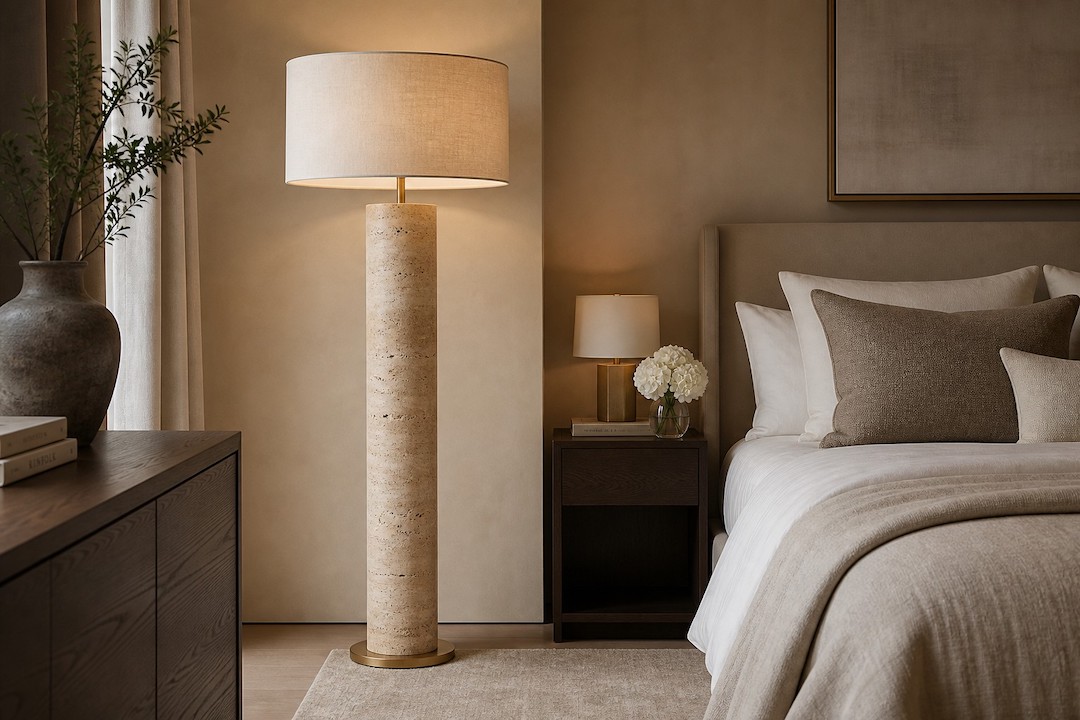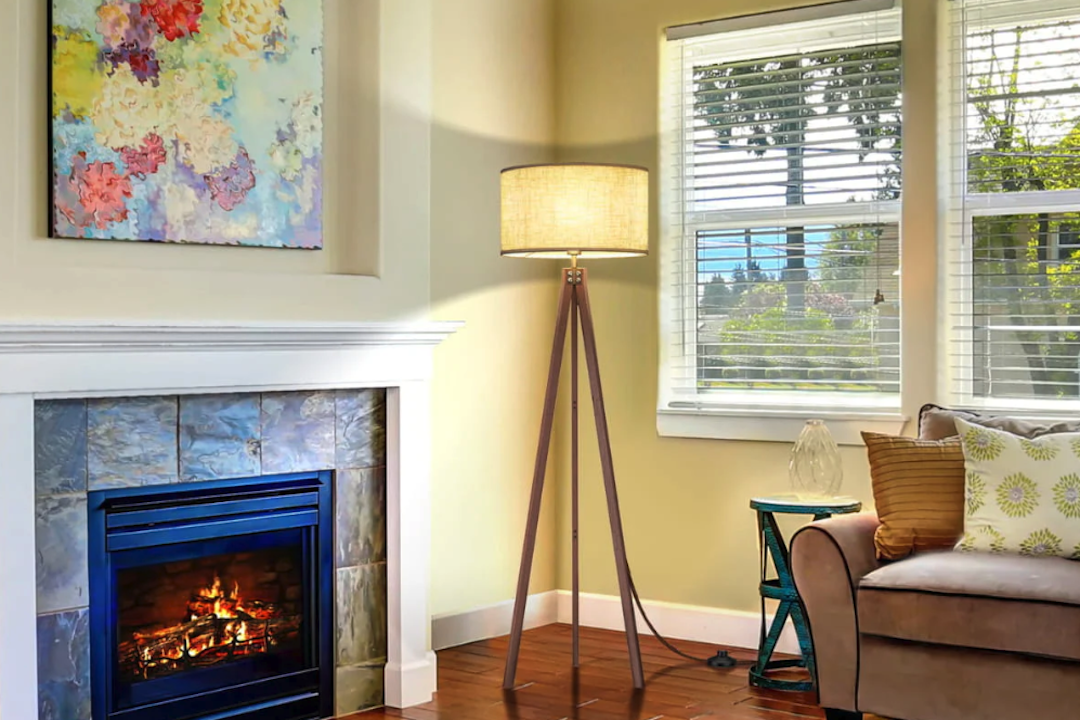
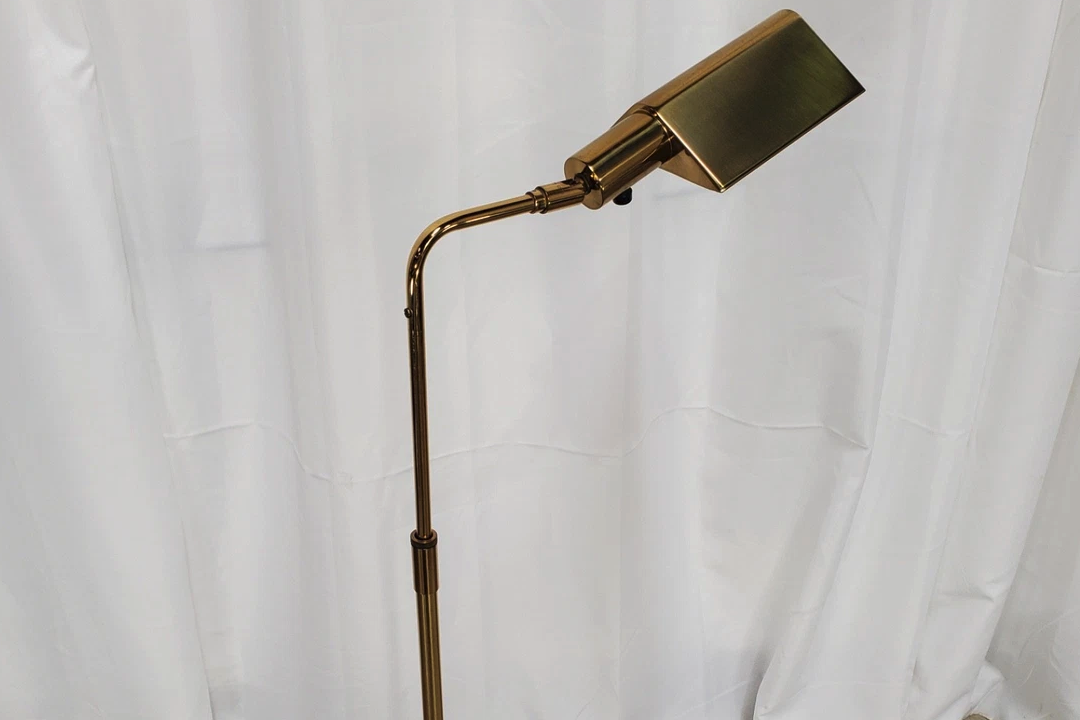
So, you’re thinking about adding a vintage industrial brass pharmacy floor lamp to your office? Great choice! These lamps are more than just a light source; they’re a statement piece that can really transform your workspace. Essentially, a vintage industrial brass pharmacy floor lamp will bring a unique blend of functional lighting, stylish aesthetics, and a touch of history to your office, creating a more inspiring and comfortable environment. They’re designed to be adjustable and provide focused light, making them perfect for tasks, while their aged brass finish adds a warm, sophisticated touch that’s hard to replicate with modern fixtures.
Let’s dive into what makes these lamps Ladanmu so appealing, especially for an office setting. It’s not just about looking cool (though they certainly do that). There’s a practicality and a certain gravitas that they bring.
The “Vintage Industrial” Aesthetic Explained
When we talk about “vintage industrial,” we’re referring to a style that draws inspiration from factories, workshops, and old-world manufacturing. Think exposed brick, metalwork, and utilitarian designs that prioritize function but have a raw, authentic beauty.
- Materiality: The hallmark is often raw materials – metals like iron, steel, and, of course, brass. The patina of age is embraced, not hidden.
- Functionality First: Designs are born out of necessity. Think adjustable arms, articulated heads, and sturdy bases designed to withstand constant use.
- Timeless Quality: Unlike fleeting trends, the industrial aesthetic has a lasting appeal due to its solid construction and honest design. It feels grounded and reliable.
The “Pharmacy Lamp” Design: A Functional Heritage
The “pharmacy” part of the name isn’t an accident. These lamps originated in apothecaries and drugstores of the late 19th and early 20th centuries. Their design was driven by the need for precise, focused lighting.
- Task Lighting Prowess: The distinctive articulation allows you to direct light exactly where you need it. This is crucial for detailed work, reading documents, or even just illuminating your desk space without shining directly into your eyes.
- Gooseneck or Articulated Arms: This is the defining feature. The ability to bend and swivel the lamp head provides unparalleled flexibility.
- Sturdy Base for Stability: Usually featuring a heavy, often circular base, these lamps are built to be stable, preventing accidental tipping, which is important in a busy office environment.
Brass: More Than Just a Pretty Finish
Brass has been a favored material for centuries, and its use in lighting is no exception. It offers a unique combination of visual appeal and practical qualities.
- Warmth and Depth: Aged brass possesses a rich, warm hue that can soften the often sterile environment of an office. It adds a sense of character and sophistication.
- Durability: Brass is a durable metal, meaning a well-made brass lamp will likely last for decades, developing a beautiful patina over time.
- Corrosion Resistance: Compared to some other metals, brass is relatively resistant to corrosion, making it a practical choice for a frequently touched item like a lamp.
Bringing it All Together: The Office Advantage
So, why specifically an office? Because these lamps meet a unique set of needs in a professional environment.
- Boosting Productivity: Good lighting is directly linked to reduced eye strain and improved focus, which can enhance productivity. The targeted illumination of a pharmacy lamp is perfect for this.
- Elevating Office Ambiance: A vintage brass lamp can break up the monotony of typical office furniture, adding a touch of personality and style that makes the space feel more inviting and less corporate.
- Creating a Focal Point: It’s a design element that draws the eye, adding visual interest and a conversation starter among colleagues or clients.
The Practicality of Placement: Where to Put Your Lamp
The beauty of a floor lamp, especially an articulated one, is its versatility. It’s not just about one spot; you can move it around to suit your needs.
Beside Your Desk: The Classic Choice
This is likely the most immediate thought, and for good reason. Having a dedicated task light right at your workstation is incredibly useful.
- Targeted Illumination: Position it to cast light directly onto your keyboard, documents, or crafting area without creating glare on your screen.
- Reducing Overhead Glare: If your office has harsh overhead fluorescent lighting, a floor lamp can provide a softer, more personalized light source, reducing eye fatigue.
- Space Saving on the Desk: By being a floor lamp, it frees up valuable desk real estate for your monitor, notebooks, and other essentials.
A Cozy Reading Nook or Corner
If your office includes a space for breaks, brainstorming, or quiet contemplation, a floor lamp is a natural fit.
- Creating Ambiance: Soft, focused light can make a corner feel more intimate and inviting, perfect for unwinding with a book or jotting down ideas.
- Standalone Accent: Even if not strictly for task lighting, its presence adds a decorative element and a touch of warmth to an underutilized space.
Near a Filing Cabinet or Bookshelf
Need to find something specific in a crowded cabinet or locate a particular book? Your lamp can help.
- Illuminating Obscure Areas: Direct the light into the depths of a cabinet or onto shelves to easily identify labels or titles.
- Focusing on Details: When cataloging files or reviewing documents, this lamp provides the precise light needed without needing to move everything out.
As a Complement to Existing Lighting
Don’t think of it as a replacement, but as an enhancement.
- Layering Light: Combine the ambient light of overhead fixtures with the focused beam of your pharmacy lamp for a balanced and comfortable lighting scheme.
- Highlighting Features: Use its directional beam to subtly highlight art on the wall, a plant, or a decorative item in the office.
Choosing Your Brass Lamp: Key Features to Look For
With many options out there, knowing what to prioritize will help you find the right lamp that’s not just visually appealing but also functionally sound.
The Articulation: Mobility is Key
This is where the “pharmacy” aspect really comes into play. How well does it move?
- Joints and Swivels: Look for lamps with multiple points of articulation – typically at the base of the arm, at the elbow, and at the neck connecting to the shade. This allows for a wide range of motion.
- Stiffness and Stability: Ensure the joints hold their position once adjusted. You don’t want a lamp that droops or shifts unexpectedly. Smooth, but firm, movement is ideal.
- Shade Angle Adjustment: Beyond the arm’s movement, the ability to tilt and swivel the lampshade itself is crucial for directing light precisely.
The Shade: Shape and Material Matters
The shade plays a significant role in how the light is diffused and directed.
- Cone or Bell Shapes: These are common and effective for focusing light downwards.
- Material and Finish: While the base is brass, the shade might be metal, glass, or a combination. A metal shade typically directs light more intensely downwards, while a glass shade might diffuse it more broadly.
- Internal Reflective Surface: Some shades have a white or metallic interior to help reflect and intensify the light output.
The Base: Stability is Non-Negotiable
A floor lamp needs a solid foundation to prevent it from becoming a hazard.
- Weight and Diameter: A heavier base with a wider diameter will provide greater stability. You should be able to nudge it slightly without it wobbling precariously.
- Material: While often metal, the base should be substantial. Sometimes, decorative rings or elements add to the weight and stability.
- Footprint: Consider the space your base will occupy. While stability is key, you don’t want a base that’s so enormously wide it impedes foot traffic.
The Brass Finish: Patina and Authenticity
This is where the “vintage” aspect truly shines.
- Aged vs. Polished: Do you prefer a deeply patinated, almost oxidized look, or a more polished brass that still shows signs of age? Both have their charm.
- Authentic Patina: Genuine vintage pieces will have a patina that’s a result of years of use and exposure. If buying new “vintage-style,” look for finishes that mimic this organic aging process realistically, rather than looking artificial.
- Consistent Wear: Examine the finish for signs of genuine wear – perhaps around the base where it might have been kicked, or on the joints where it’s been adjusted.
The Bulb and Illumination Type
Consider the type of light you want.
- Bulb Socket Type: Most will take standard screw-in bulbs.
- LED Compatibility: Modern LED bulbs can replicate the warm glow of incandescent bulbs and are much more energy-efficient and long-lasting. Look for bulbs with a warm color temperature (around 2700K-3000K) to maintain that vintage feel.
- Wattage and Lumens: Consider the brightness you need. While these lamps are often for focused task lighting, you don’t want it to be too dim or too harsh.
Integrating Your Lamp: Styling and Setting the Scene
Once you have your lamp, you’ll want to make sure it fits in beautifully with the rest of your office decor. It’s not just about functionality; it’s about creating a cohesive and inspiring space.
Balancing Modern and Vintage Elements
The beauty of industrial design is its ability to bridge eras.
- Contrast with Sleekness: A vintage brass lamp can provide a beautiful warm contrast to modern, minimalist furniture with clean lines and metal accents. It adds texture and depth.
- Complementing Other Textures: If your office has wooden desks, leather chairs, or even exposed brick, the brass lamp will play well with these elements, reinforcing a tactile and rich environment.
- Avoiding Clutter: While it’s a statement piece, avoid overcrowding the area around it. Allow the lamp to have its own visual space.
The Power of Lighting Layering
Don’t rely solely on your new floor lamp.
- Ambient Light: Ensure you still have adequate general illumination for the entire room. This could be overhead lighting, or even another floor lamp or table lamp providing a softer, more diffused glow.
- Task Lighting Focus: Your pharmacy lamp’s primary role is to provide that precise, focused light exactly where you need it.
- Accent Lighting: Use it tactfully to highlight specific areas or objects, adding visual interest and depth to the room.
Color Palette Considerations
Think about how the brass finish interacts with your existing colors.
- Warm Tones: Brass naturally complements warm color palettes (creams, browns, deep reds, mustard yellows).
- Cool Tones: It can also create a striking contrast against cooler colors (blues, grays, greens), adding warmth and preventing the space from feeling too stark or cold.
- Neutrals as a Canvas: Neutral office spaces are a perfect backdrop, allowing the rich tone of the brass to become a prominent and elegant feature.
The “Industrial” Touches Around the Office
While one lamp can do wonders, reinforcing the theme can amplify the effect.
- Metal Accents: Incorporate other metal elements, like cast iron desk accessories, a steel filing cabinet, or brushed nickel hardware on cabinets.
- Raw Materials: Consider a wooden desk with visible grain, a leather chair, or even a concrete planter.
- Subtle Functional Decor: Think about utilitarian storage solutions or framed blueprints as wall art.
Maintenance and Longevity: Keeping Your Lamp Shining
A good quality vintage lamp is an investment. A little care will ensure it lasts for years.
Cleaning Your Brass
Brass can tarnish, but it’s usually a simple fix.
- Gentle Dusting: Regular dusting with a soft, dry cloth is the best way to prevent build-up.
- Mild Soap and Water: For more stubborn grime, use a damp cloth with a tiny amount of mild dish soap. Wipe it down thoroughly afterwards with a clean, damp cloth to remove soap residue.
- Brass Polish (Use Sparingly): If you want to restore a brighter shine, use a commercial brass cleaner. However, be mindful of the desired finish. If you love the aged patina, prolonged use of polish can remove it. Test in an inconspicuous area first.
- Avoid Harsh Chemicals: Never use abrasive cleaners, steel wool, or strong chemical solvents, as these can damage the finish permanently.
Checking Joints and Wiring
Regular, simple checks can prevent bigger issues.
- Tighten Screws: Periodically ensure that any visible screws on the articulation points are snug, but don’t overtighten.
- Inspect the Cord: Look for any signs of fraying or damage to the power cord. If you see any, it’s best to have it professionally repaired or replaced before use.
- Bulb Replacement: When replacing the bulb, make sure the lamp is unplugged.
Protecting the Finish
Consider how you use and position the lamp.
- Avoid Direct Sunlight: Prolonged exposure to direct sunlight can cause certain finishes to fade or change color unevenly.
- Minimize Touching (Especially Skin Oils): Oils from your hands can accelerate tarnishing. Try to adjust the lamp by holding the sturdy parts of the stem or arm, rather than directly on frequently touched metal surfaces if you want to preserve the patina.
- Regular Inspection for Wear: Embrace the signs of wear as part of its story, but be vigilant for any signs of rust or significant damage that might compromise its integrity.
By understanding the appeal, planning its placement, choosing wisely, styling thoughtfully, and performing basic maintenance, your vintage industrial brass pharmacy floor lamp will undoubtedly become a functional and cherished feature of your office for years to come. It’s a piece that offers more than just light; it brings character, history, and a touch of enduring style to your professional space.